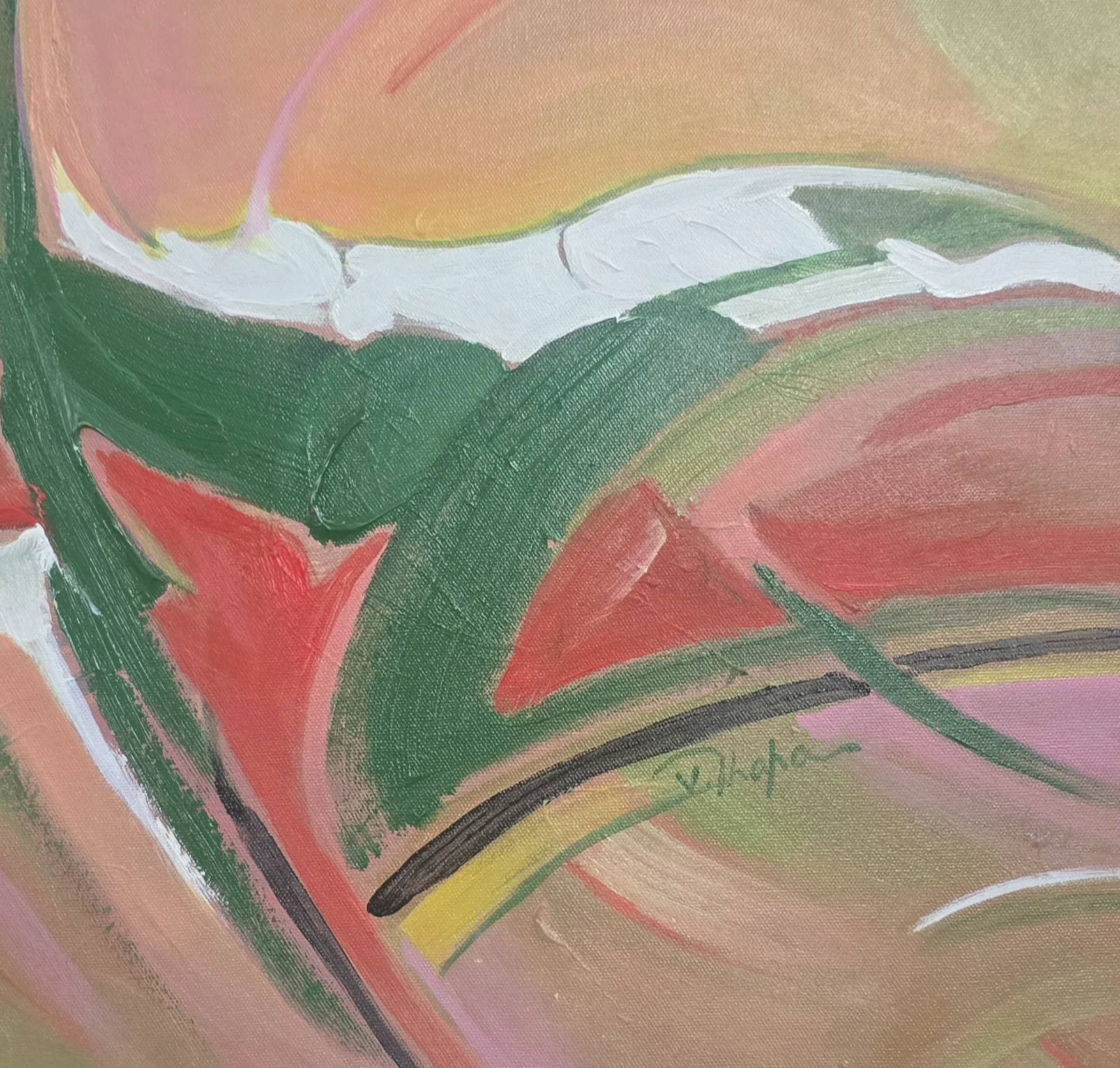
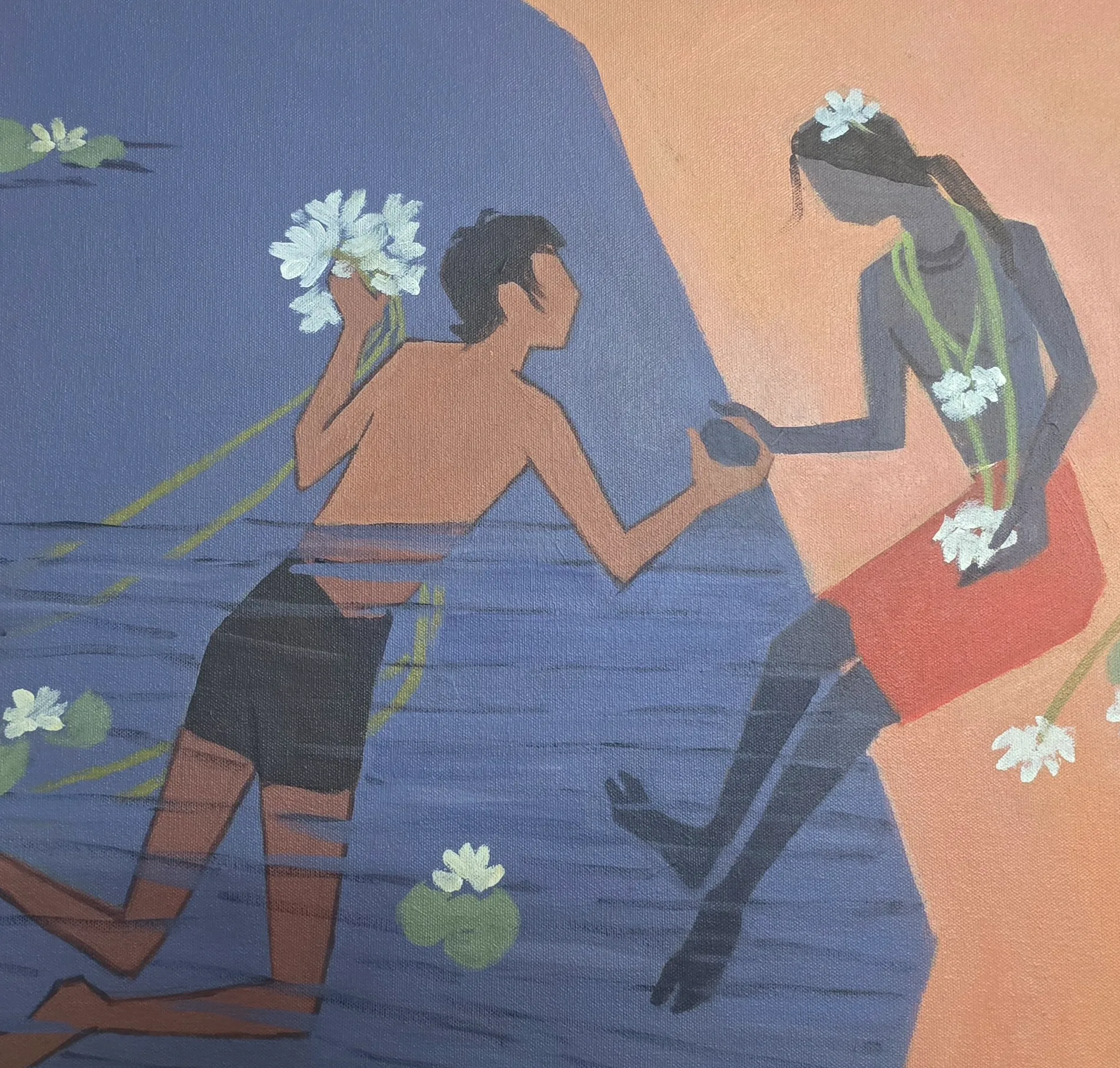
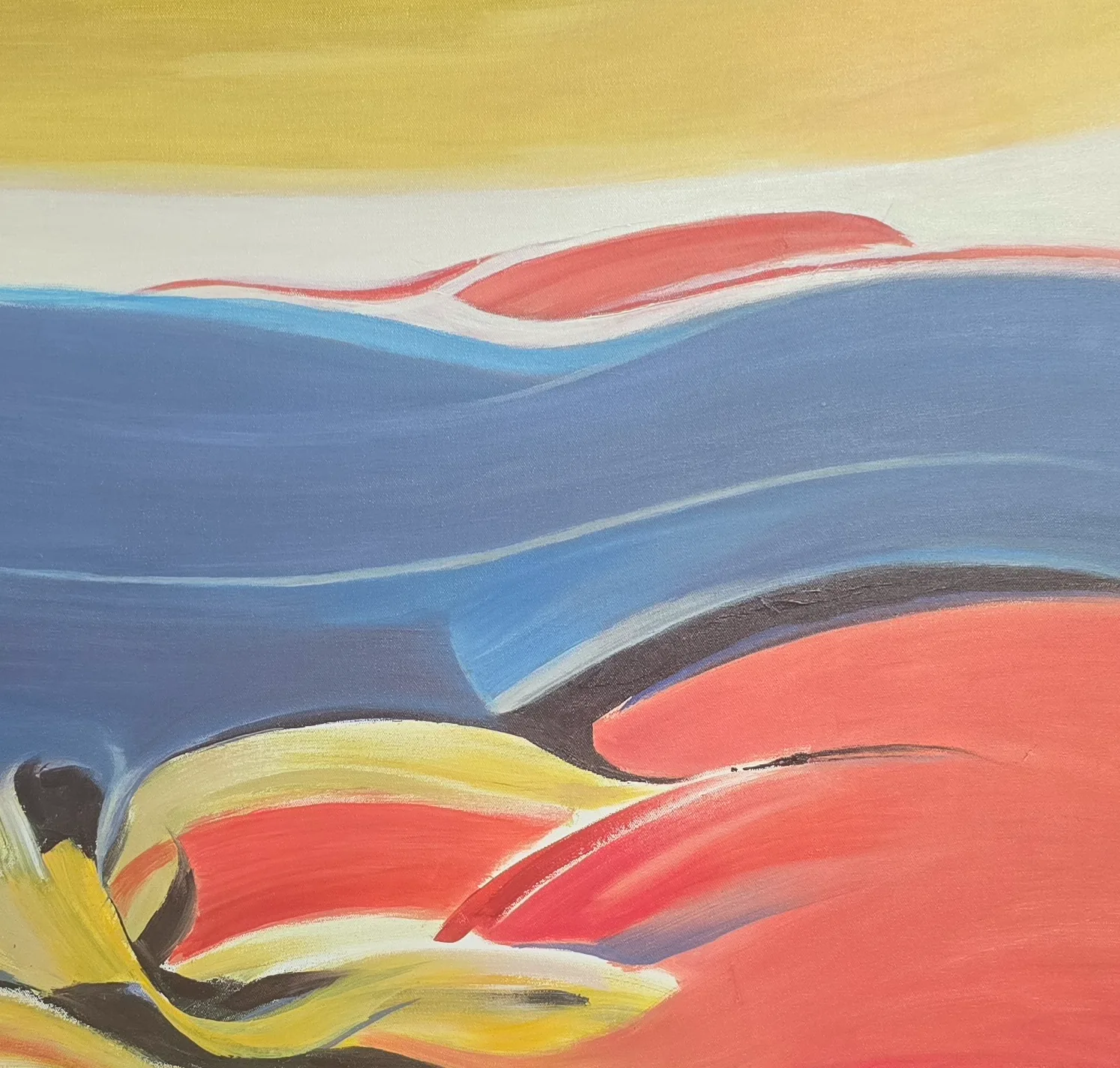
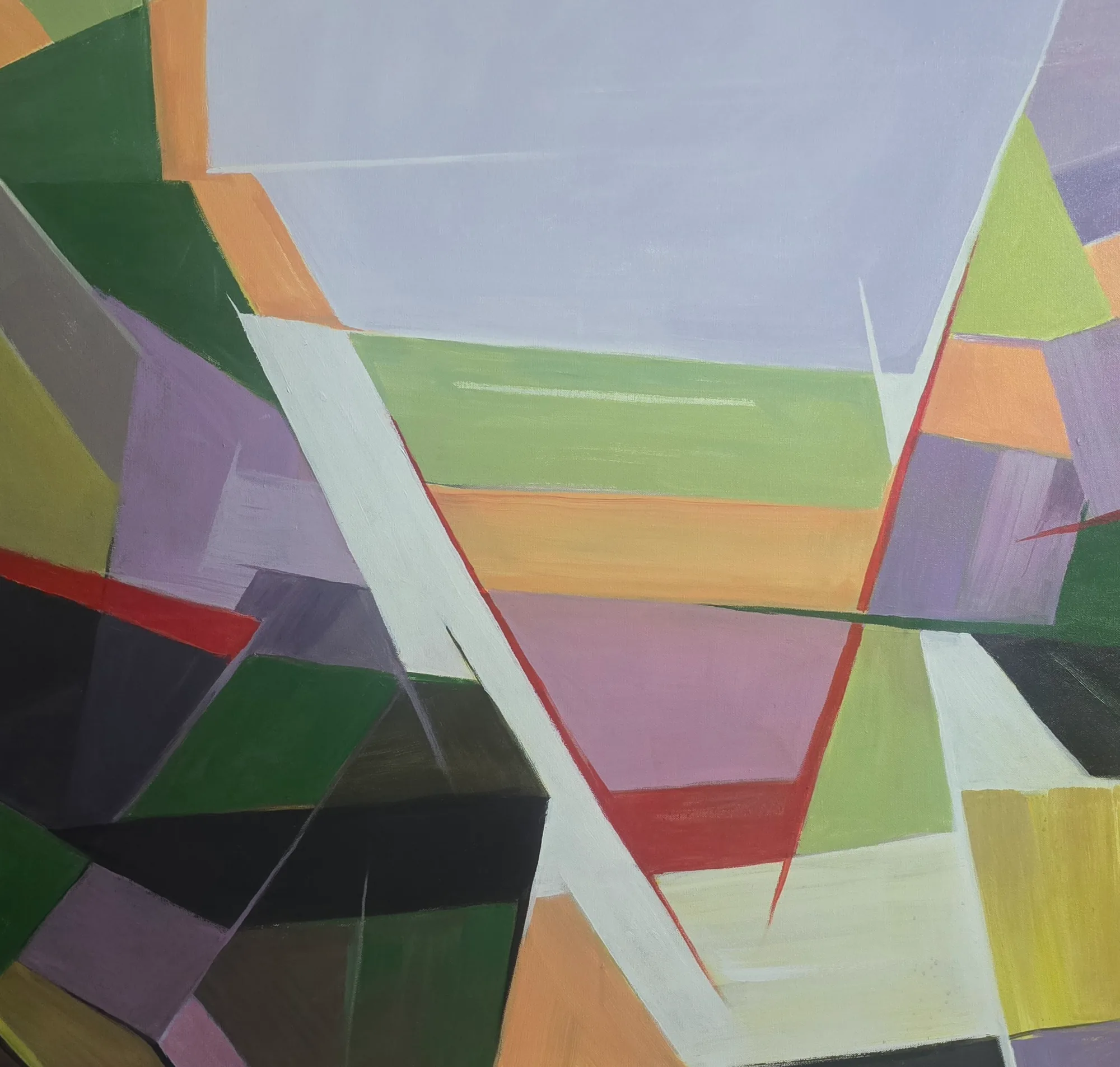
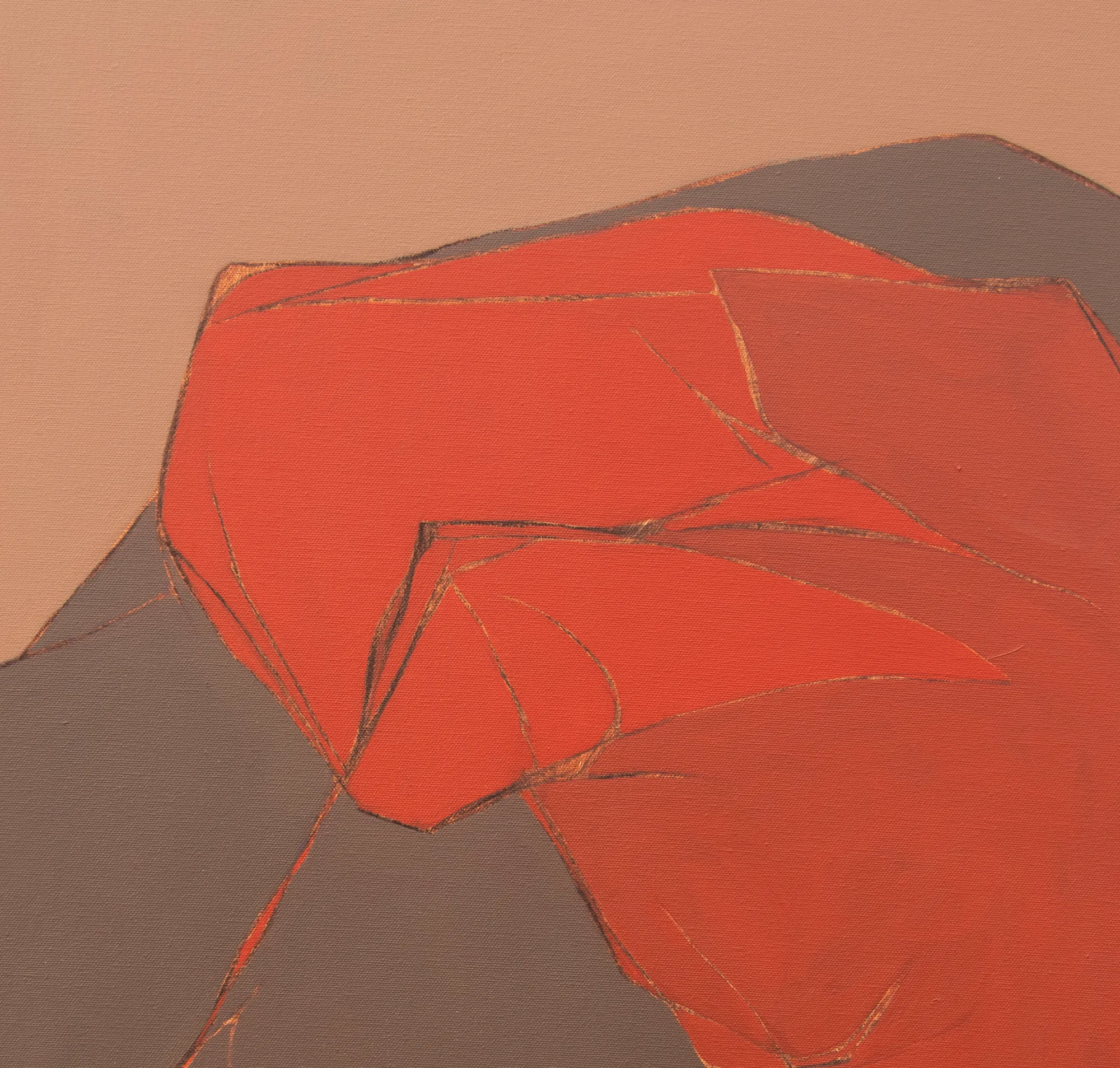
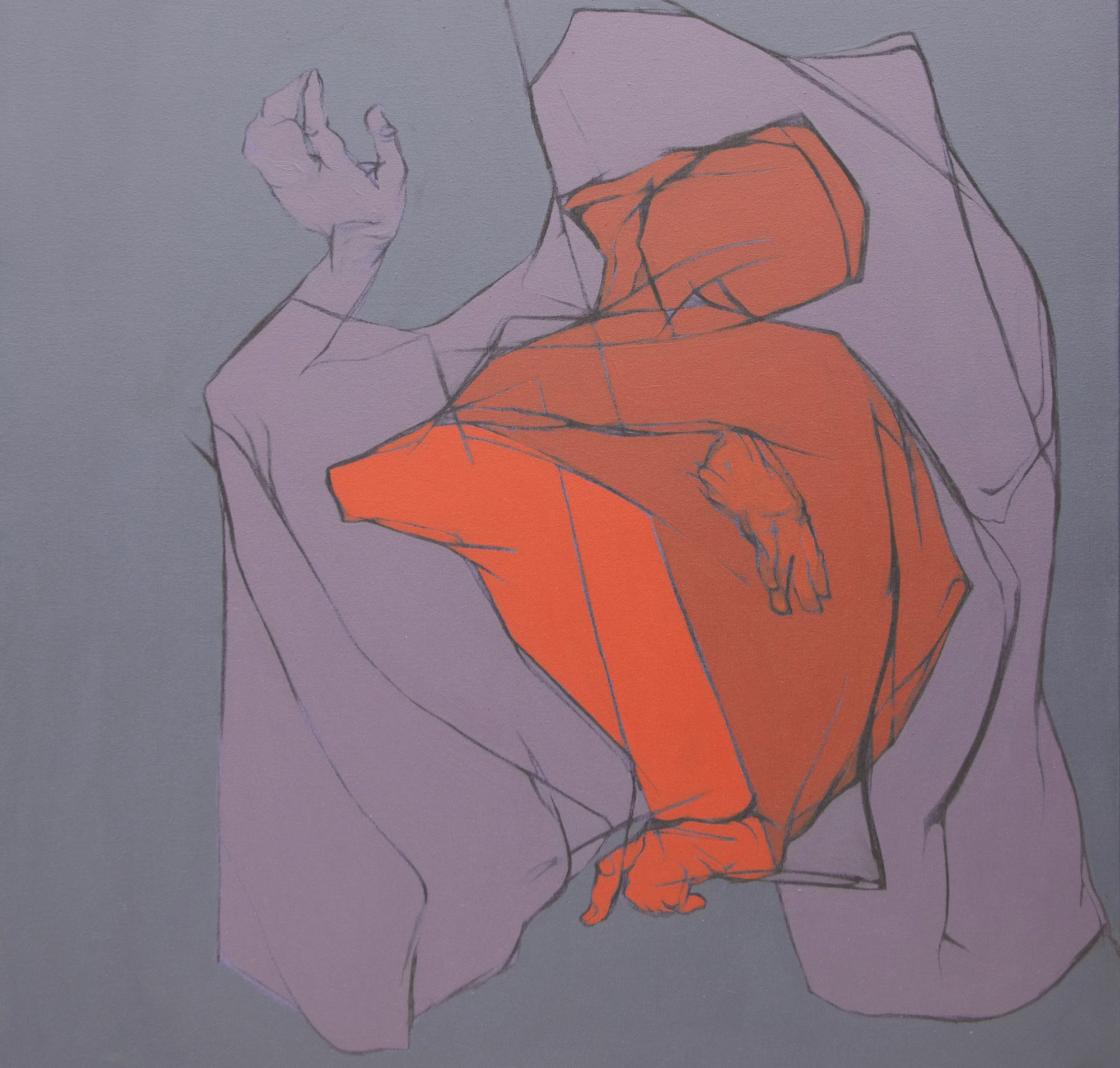
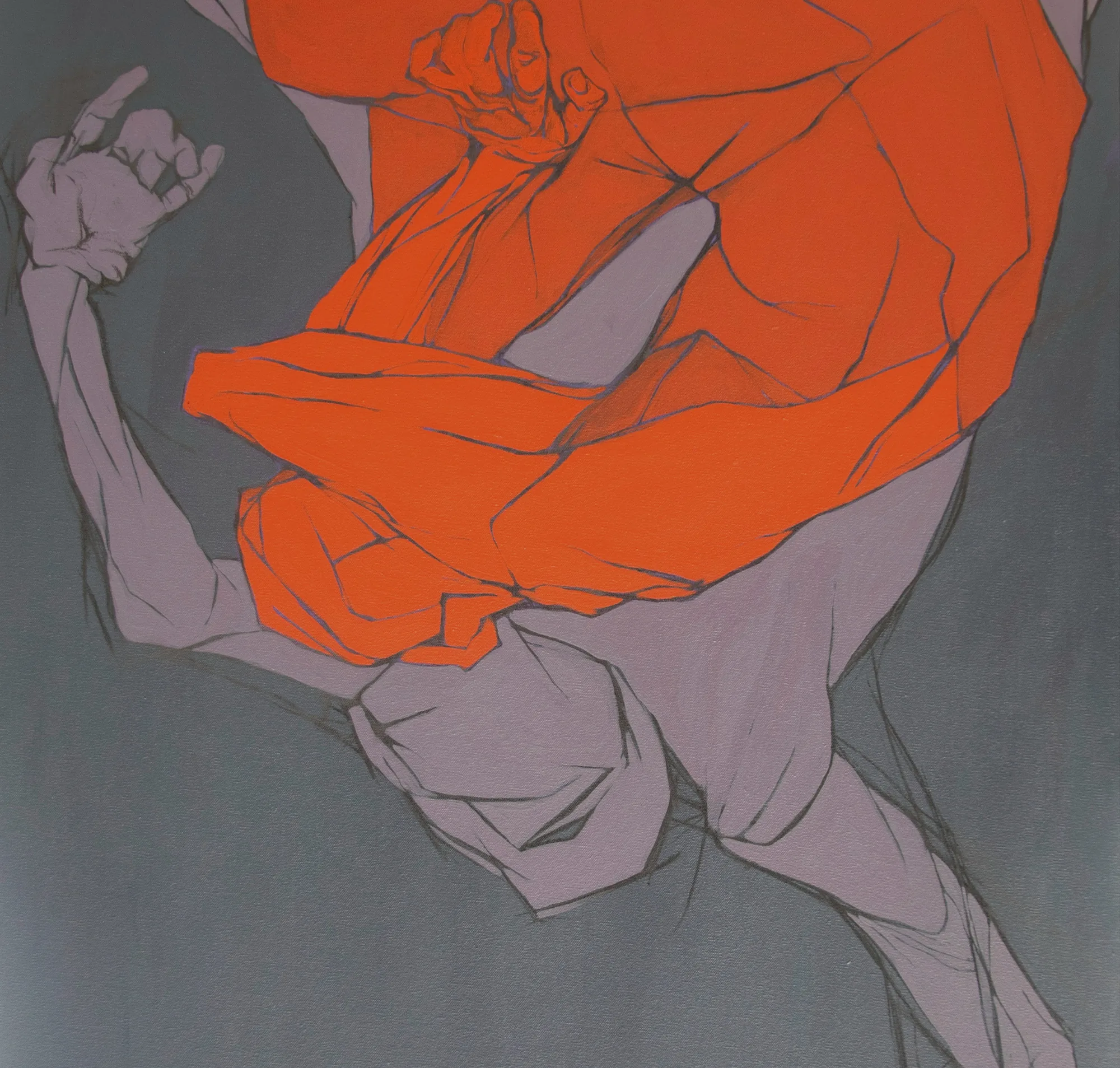
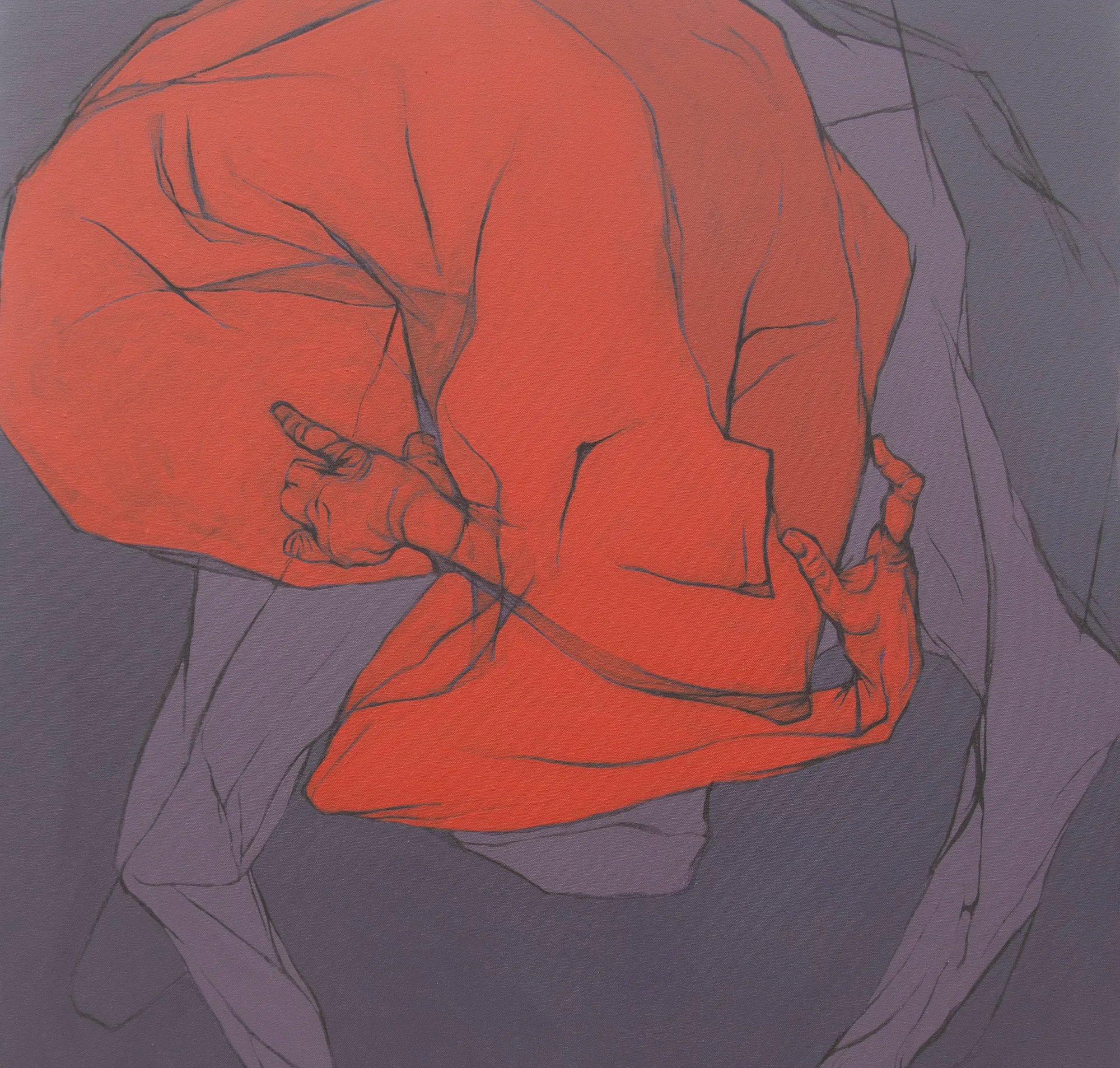
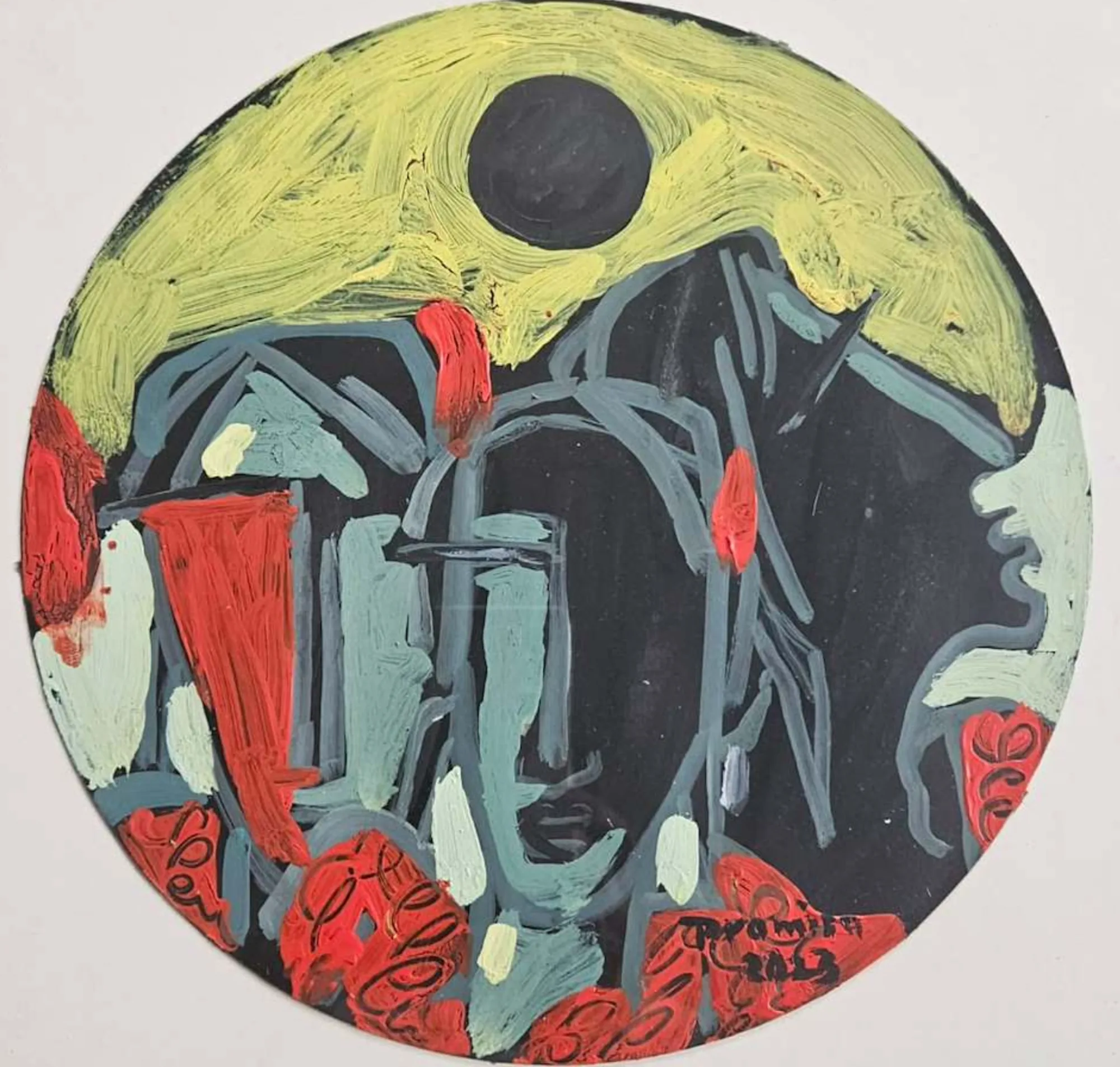
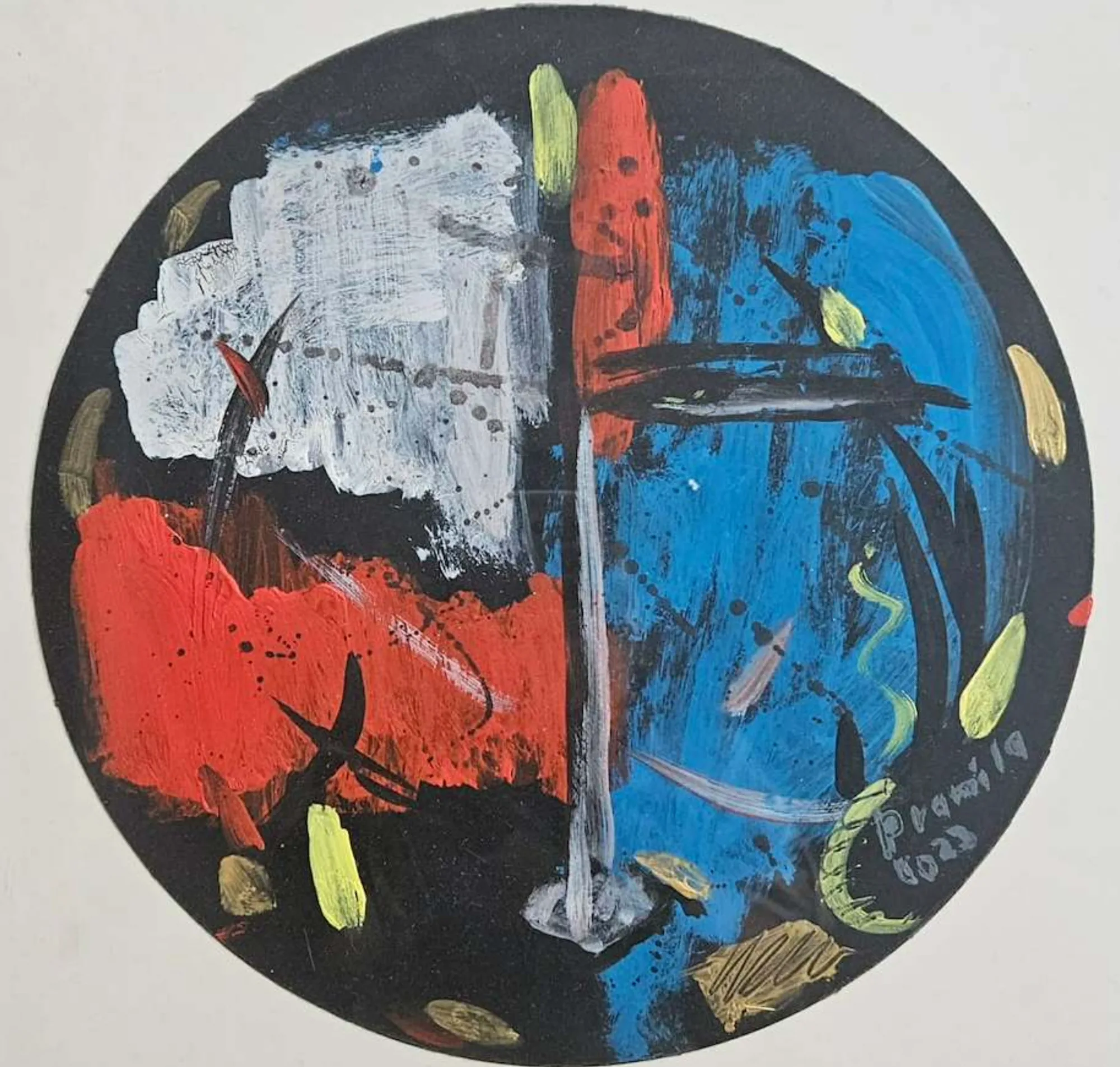
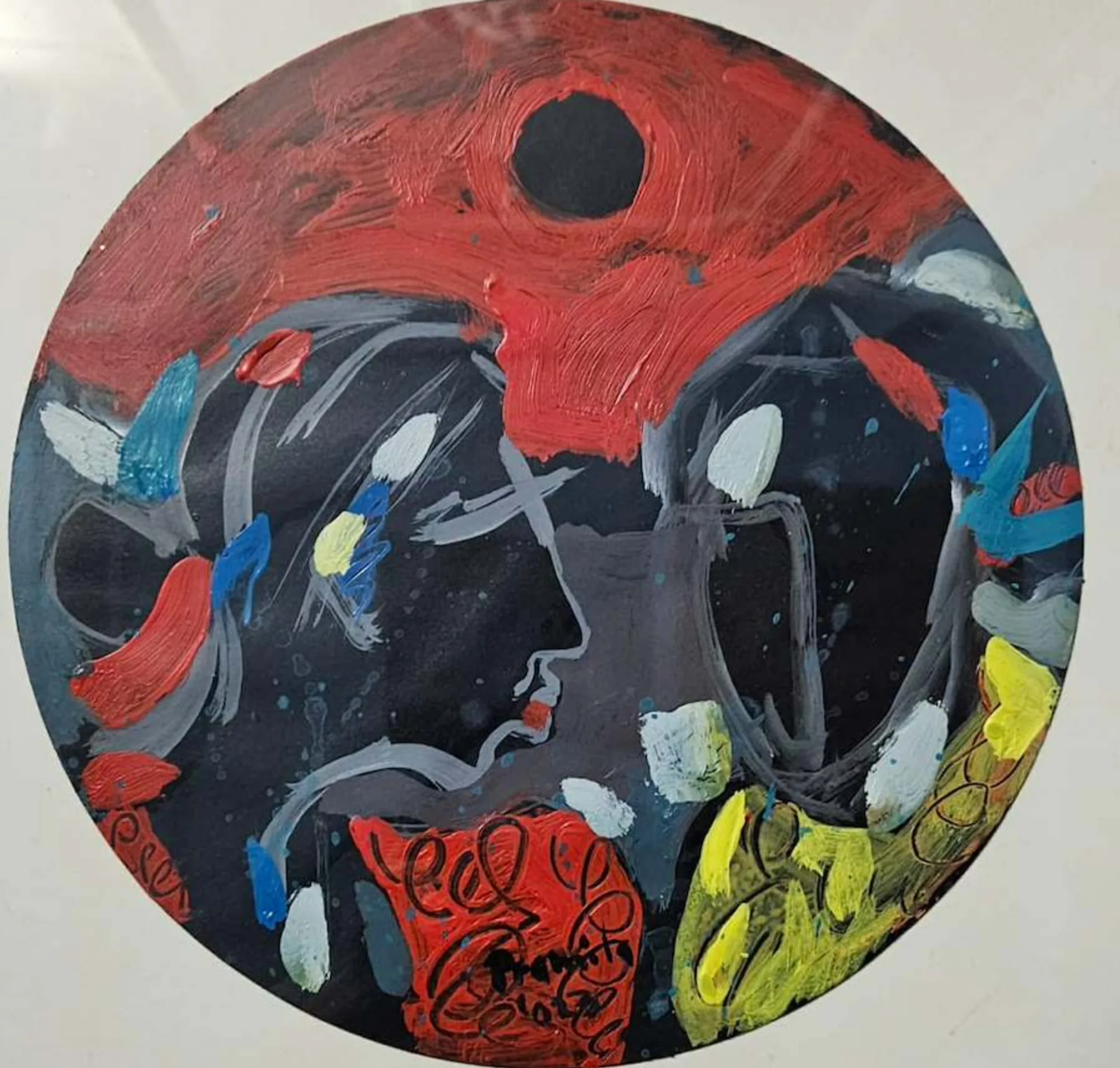
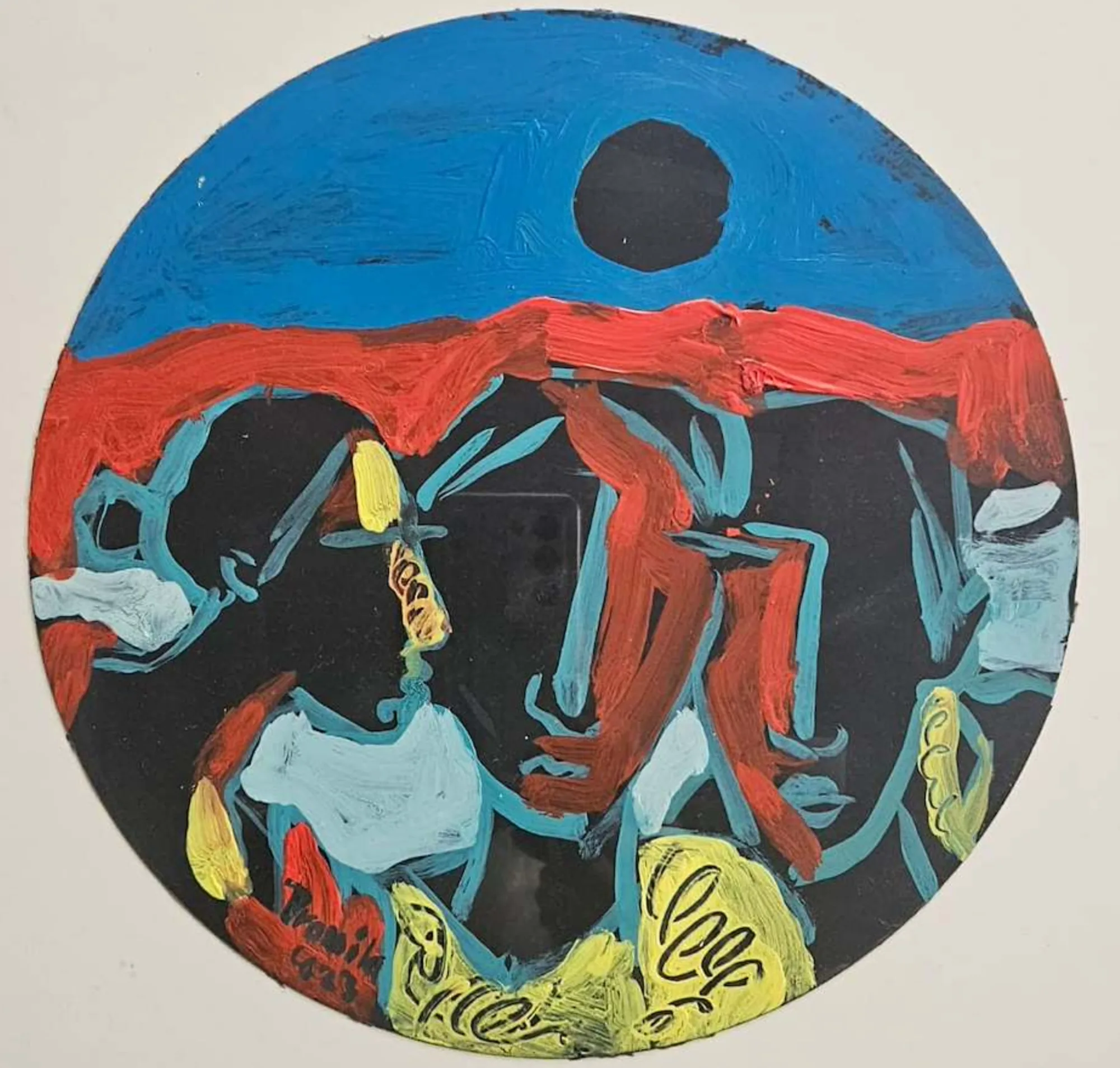
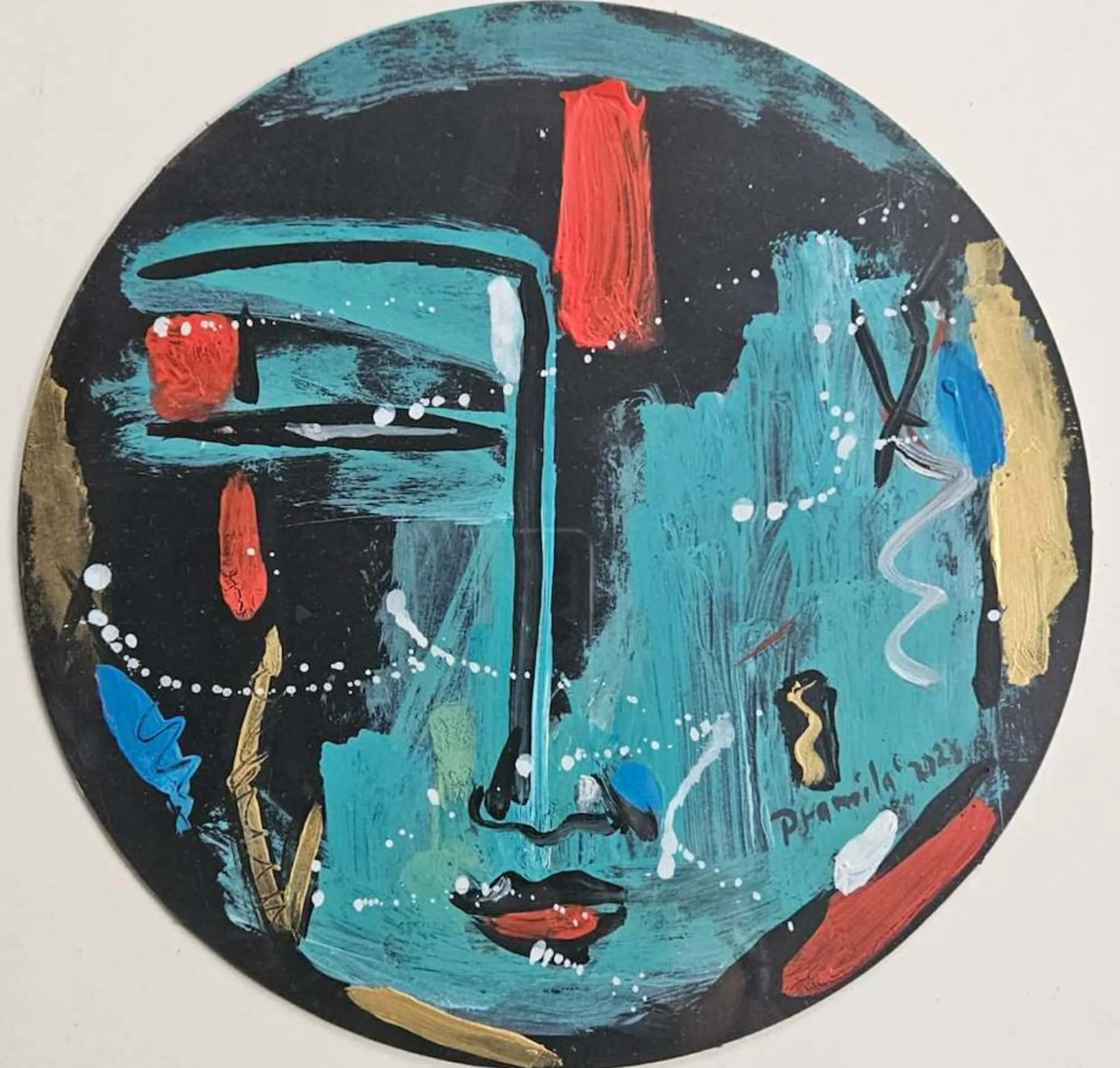
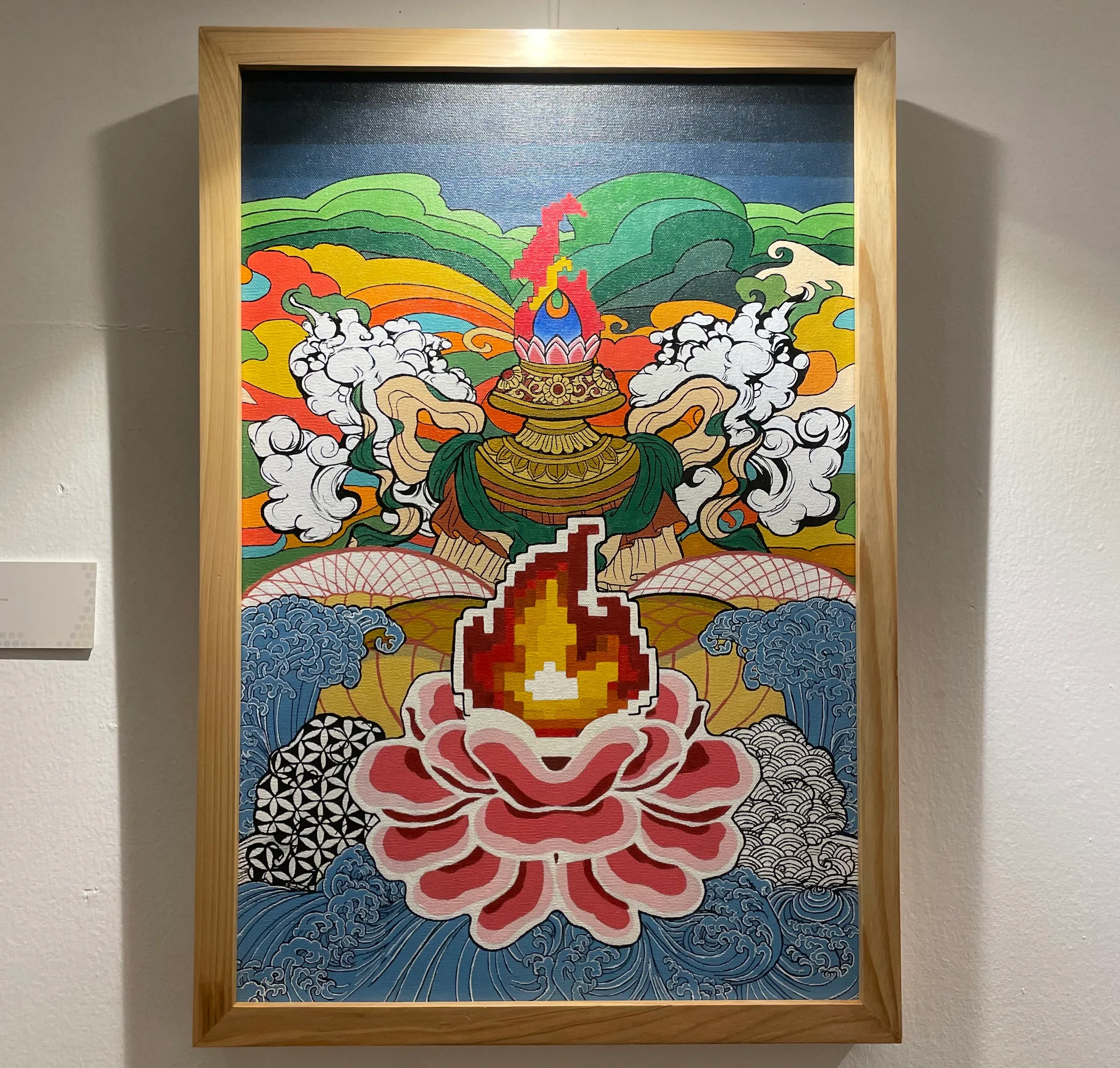
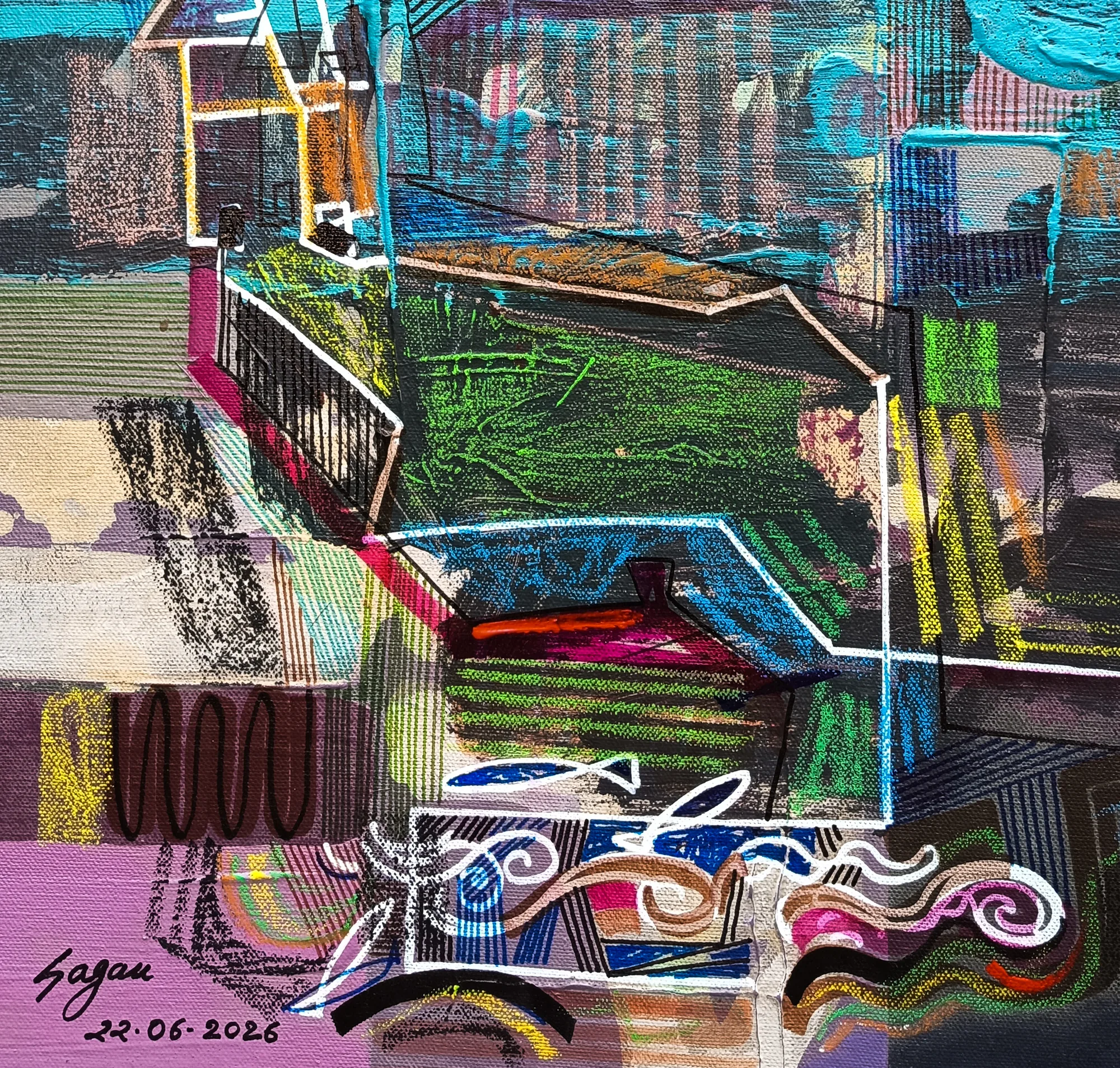
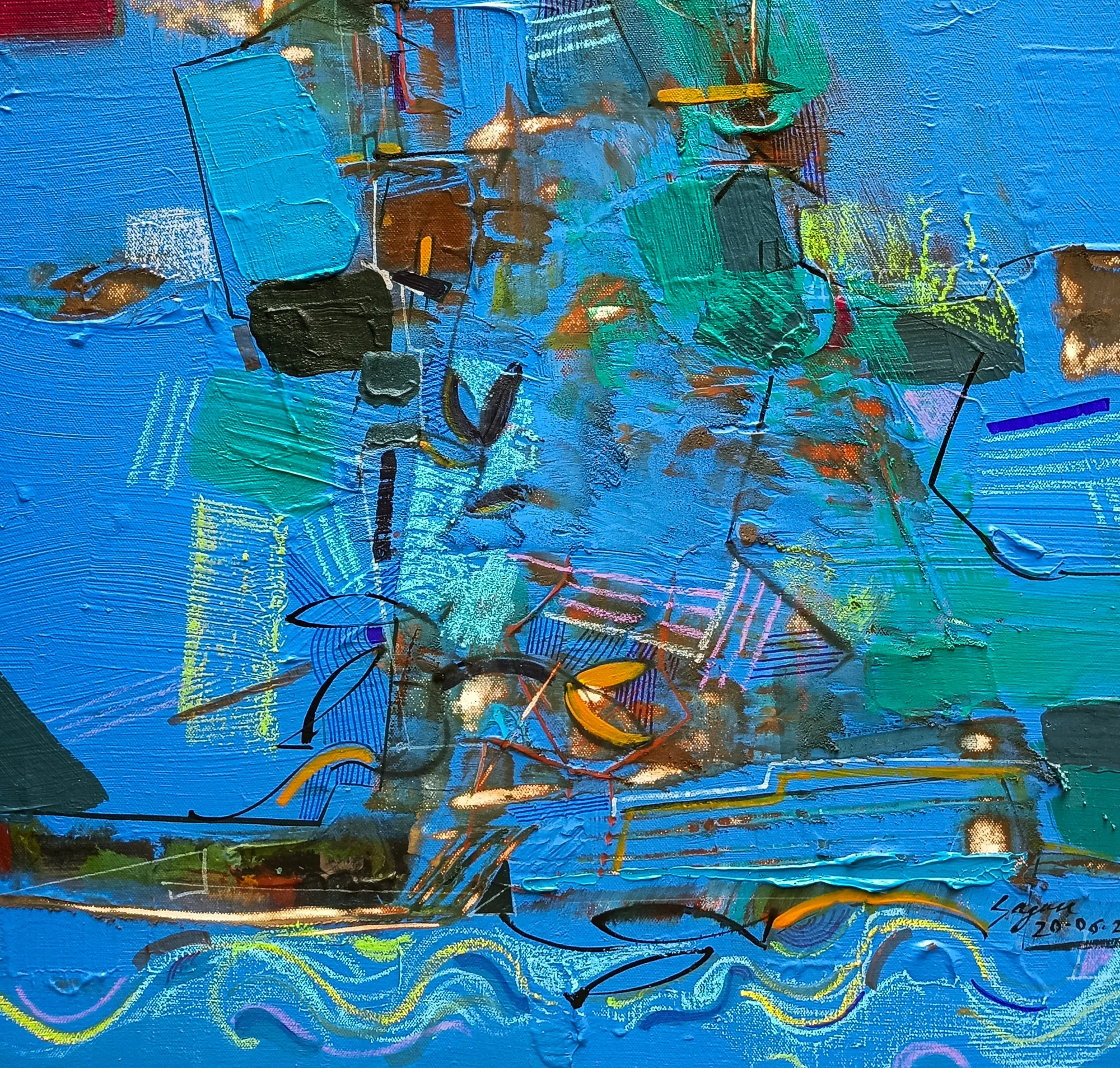
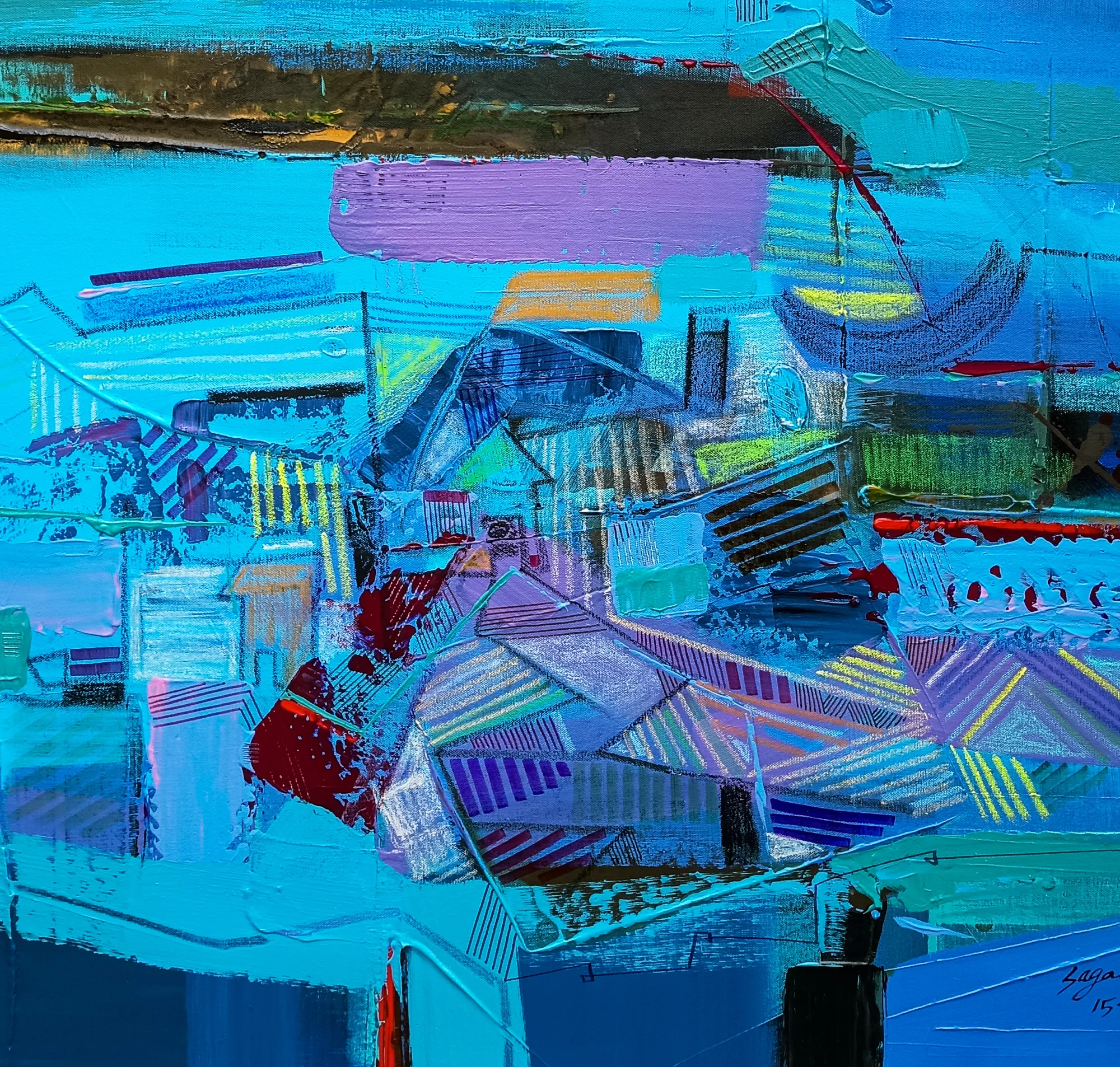
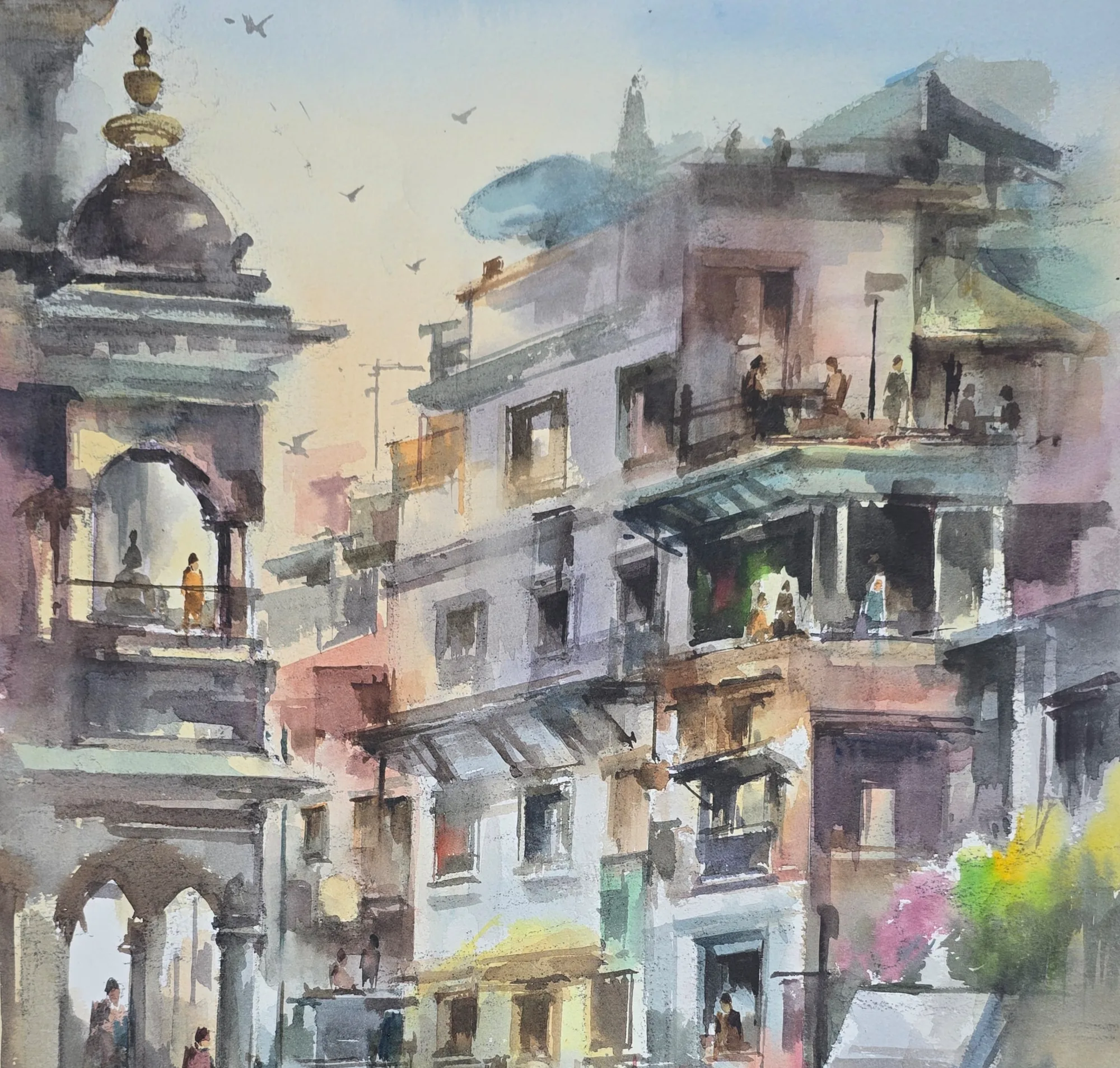
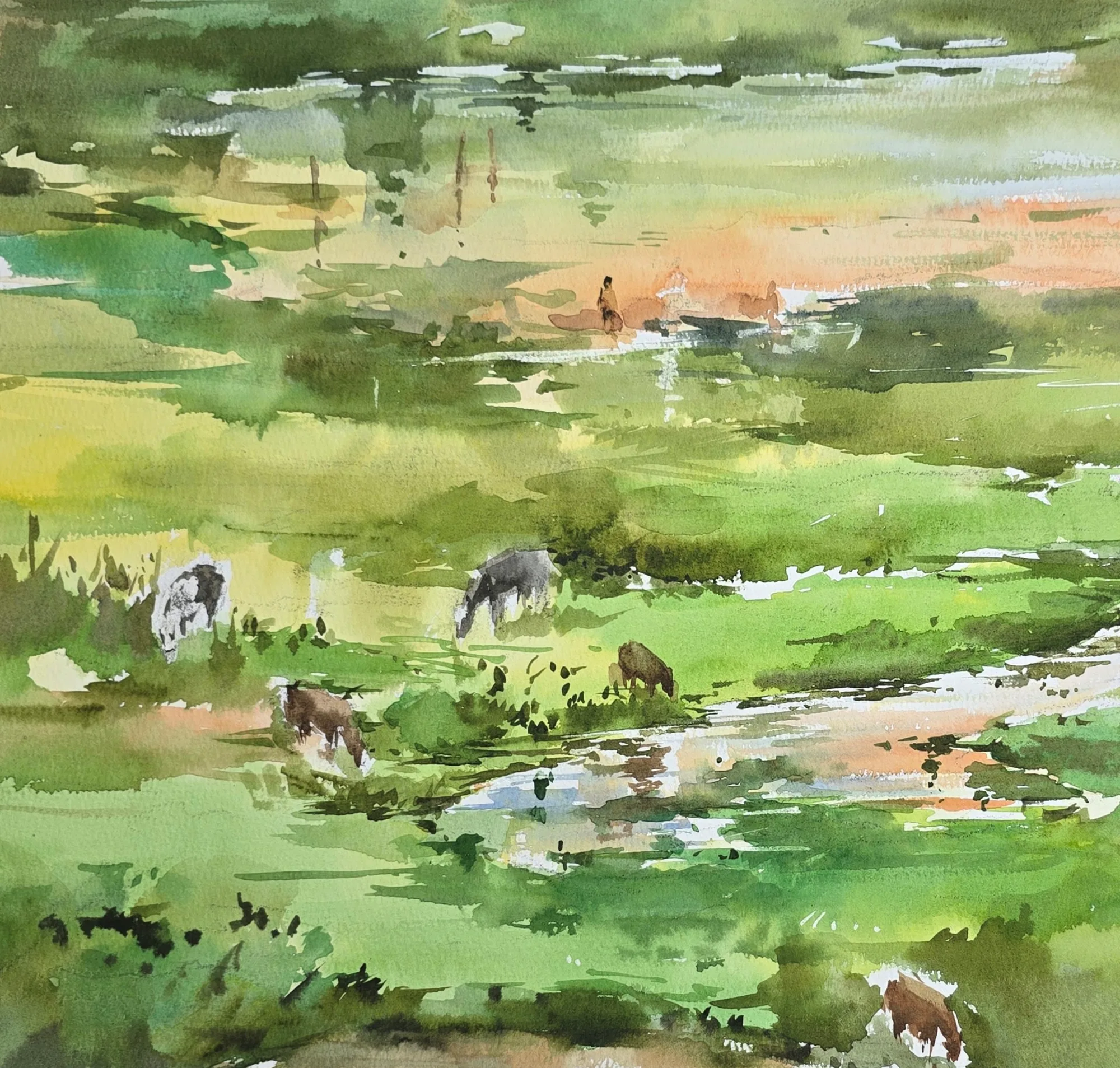
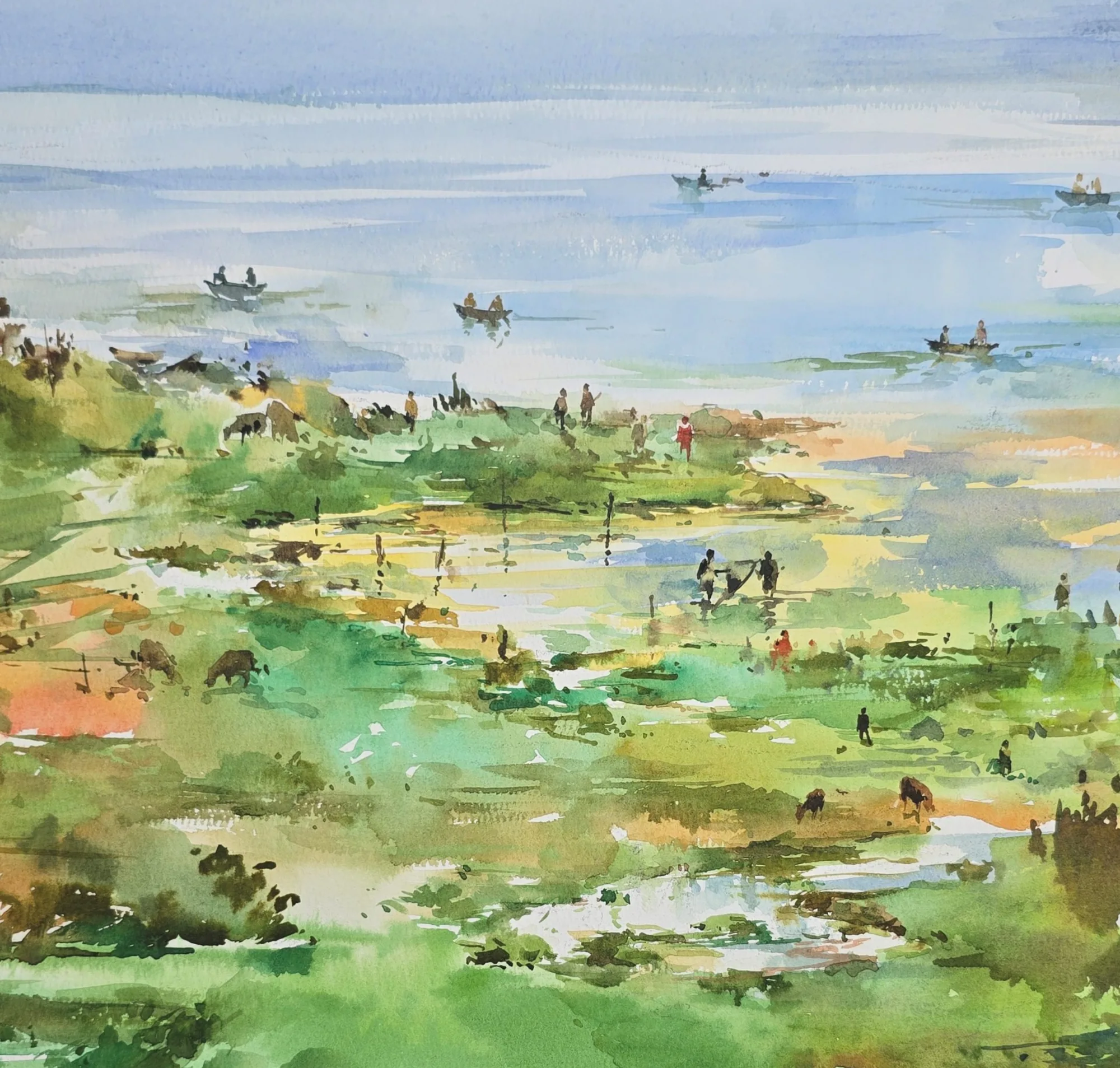
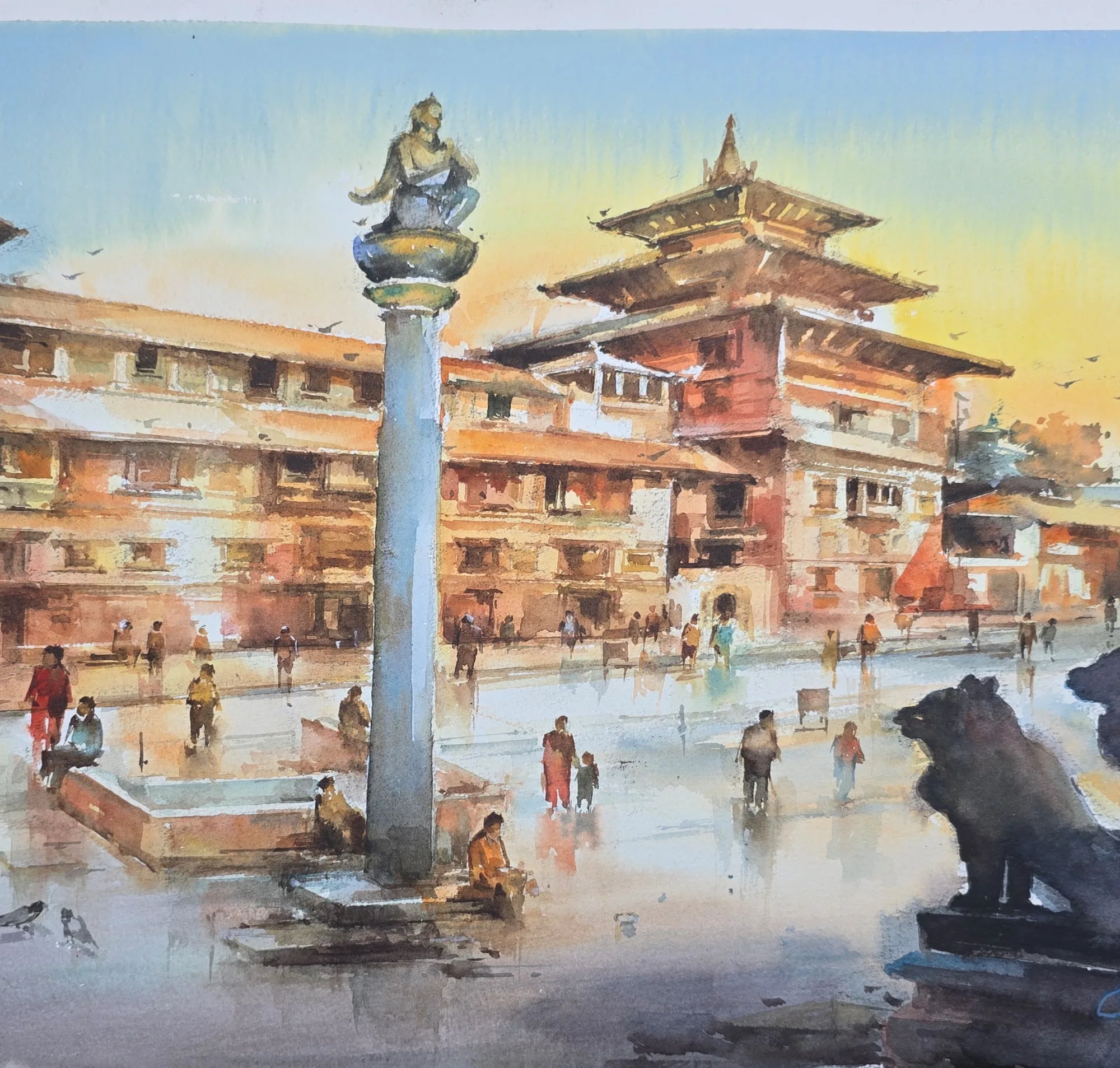
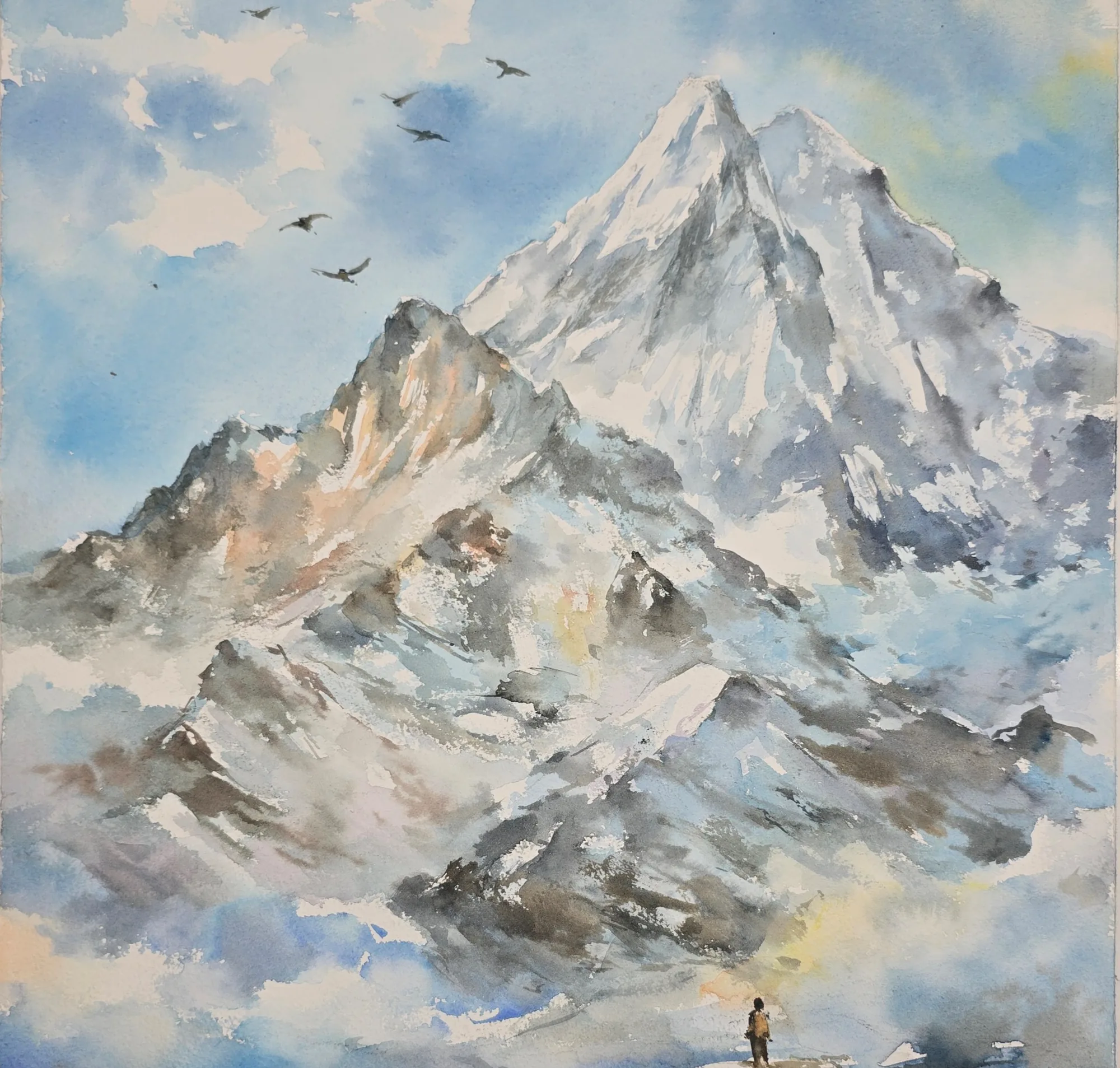
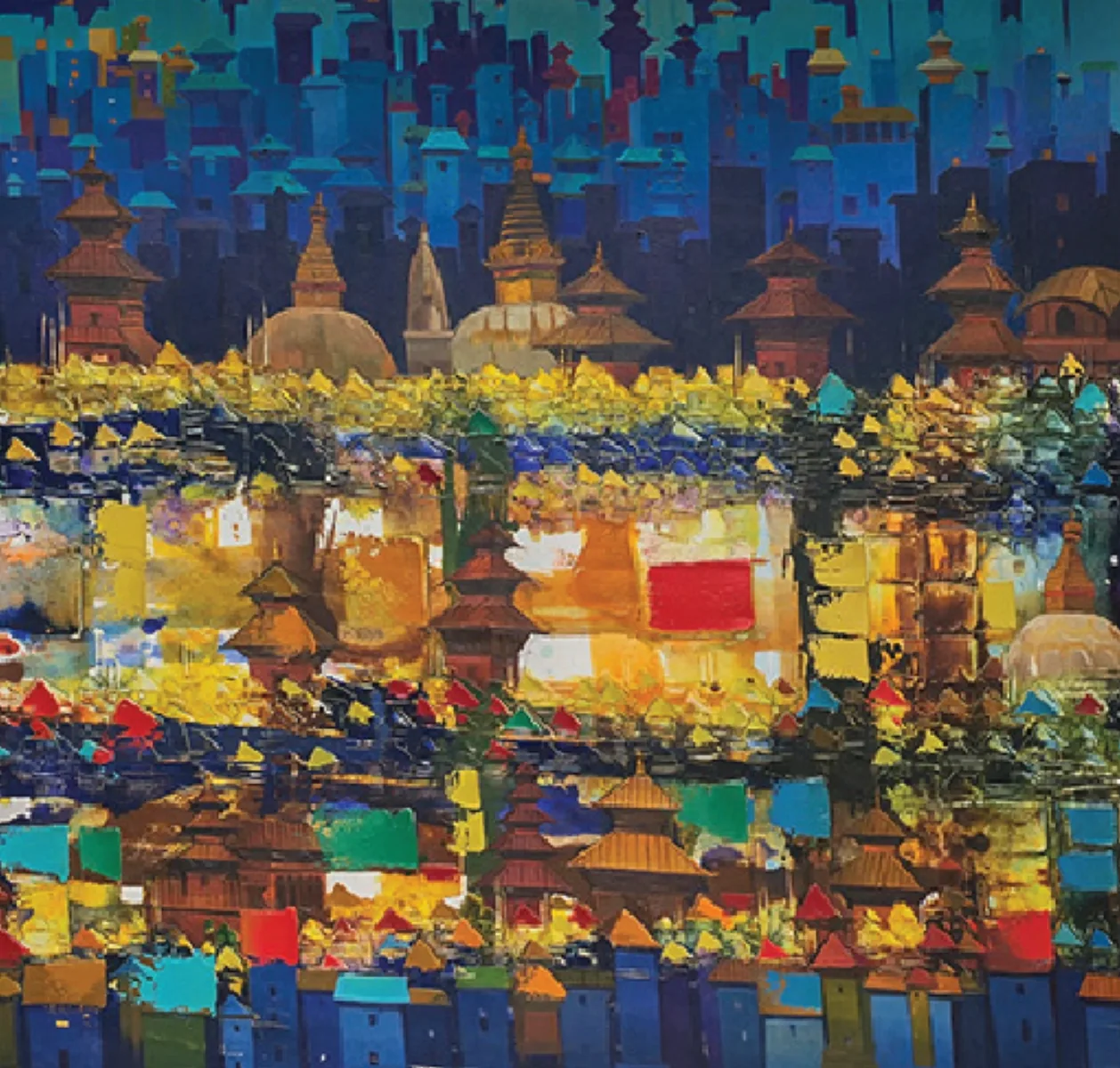
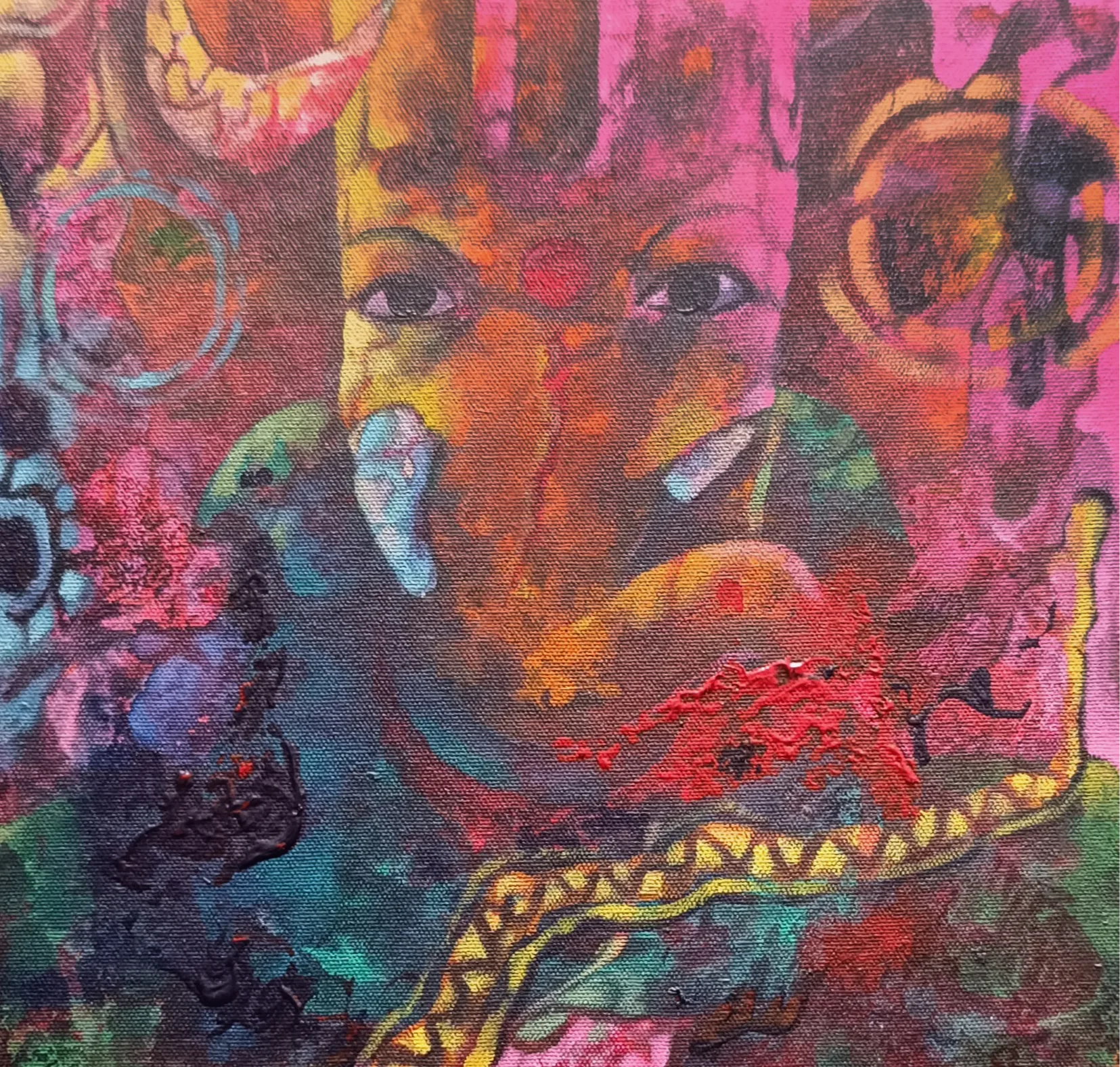
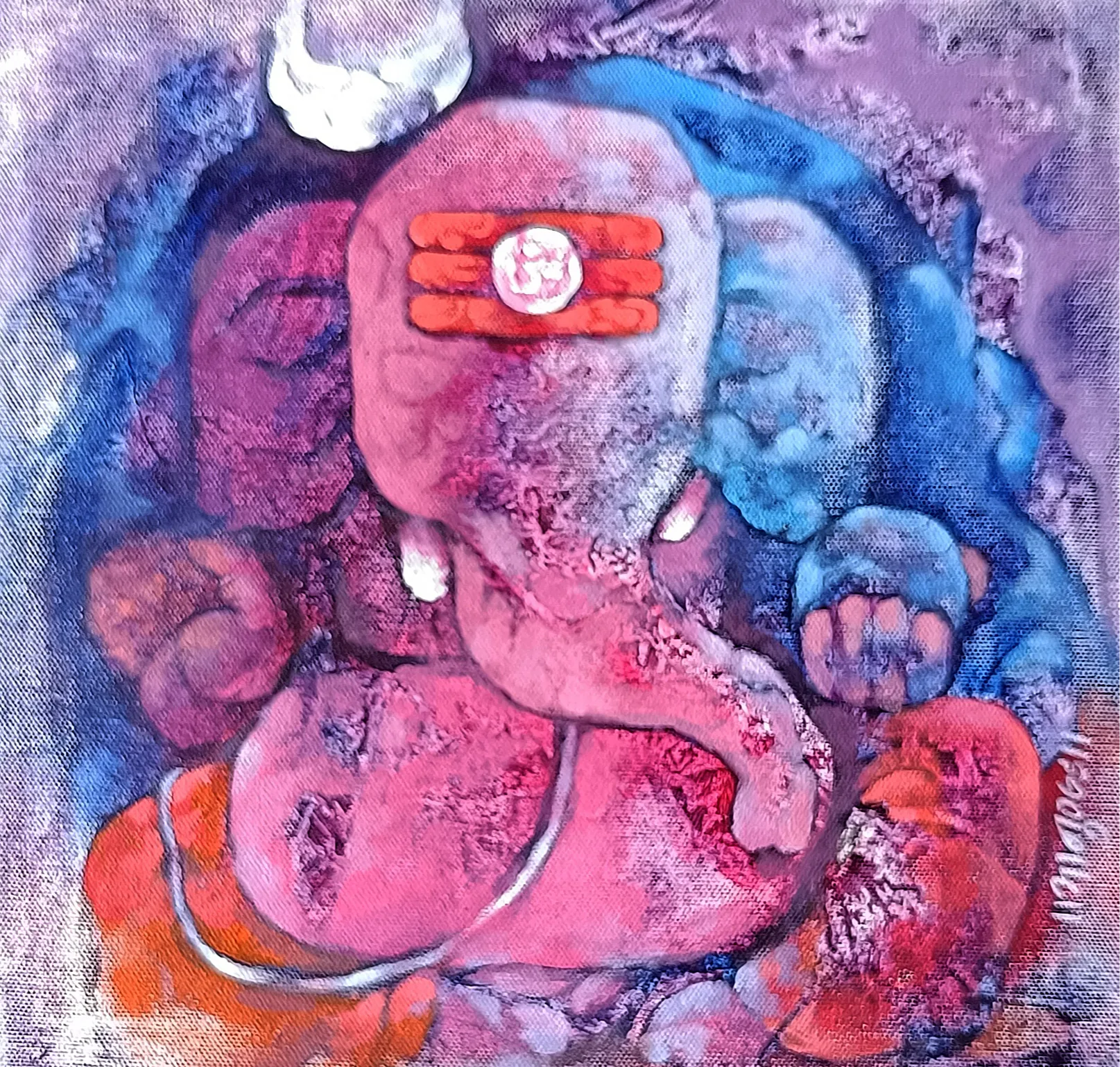
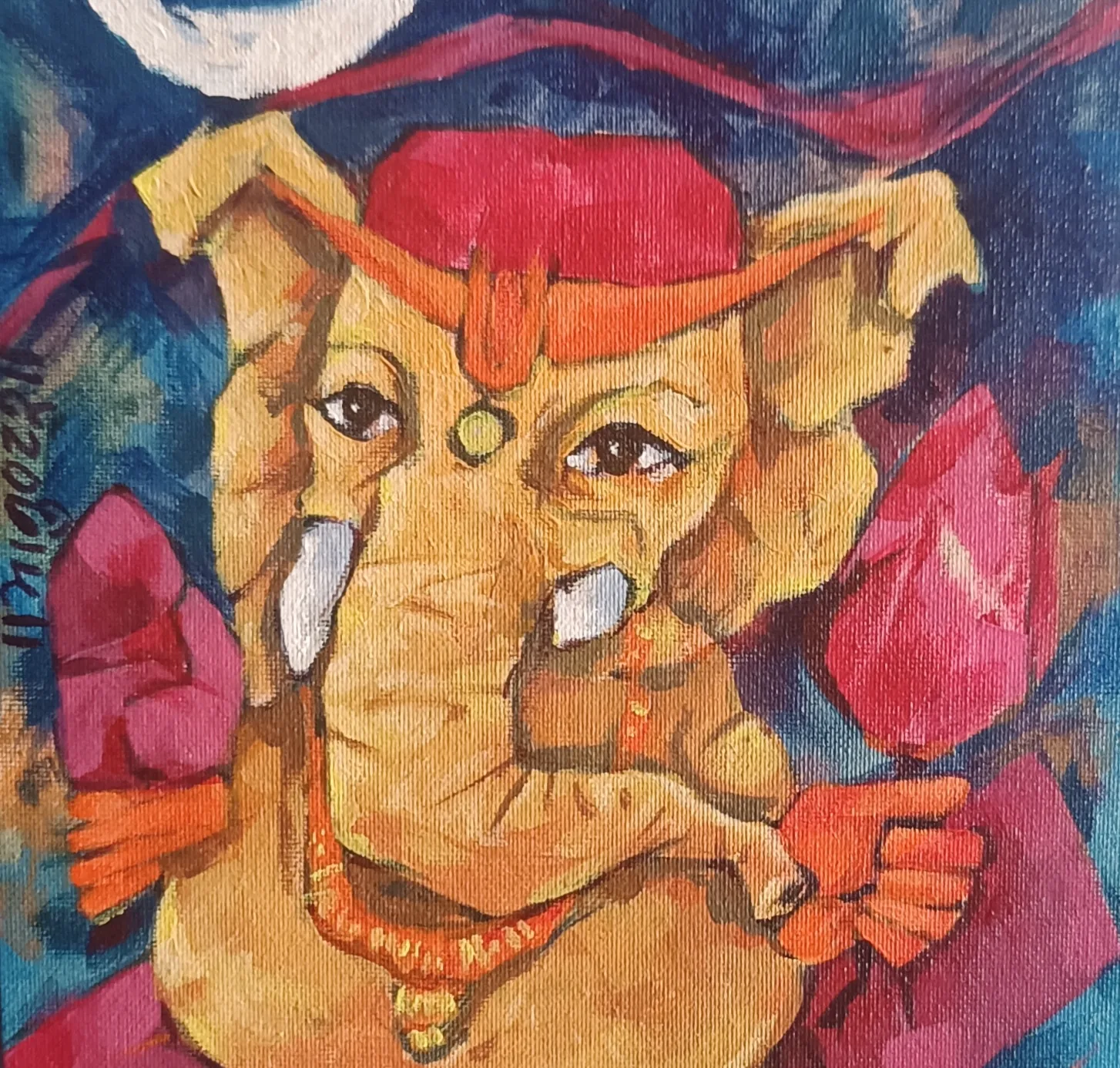
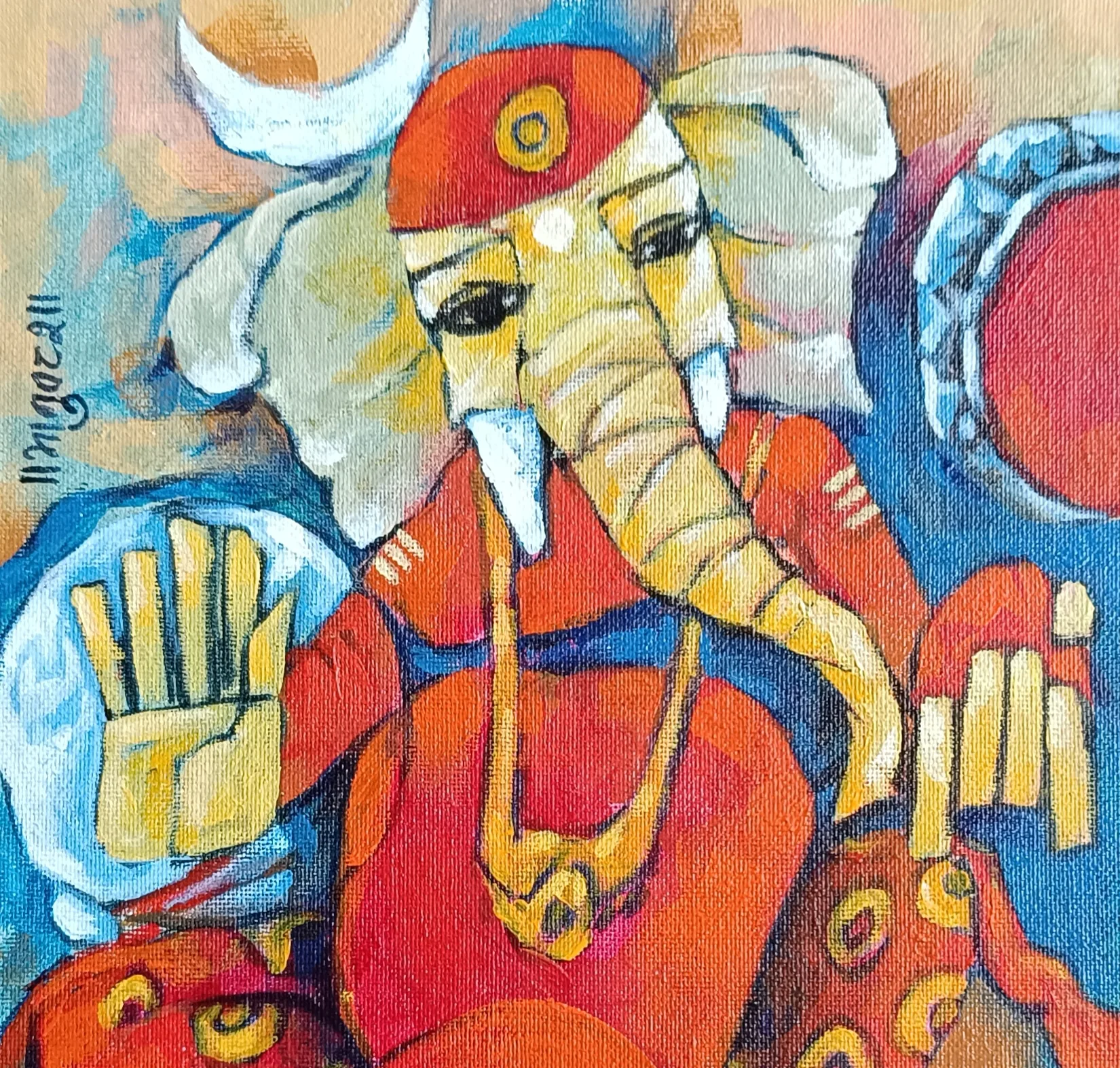
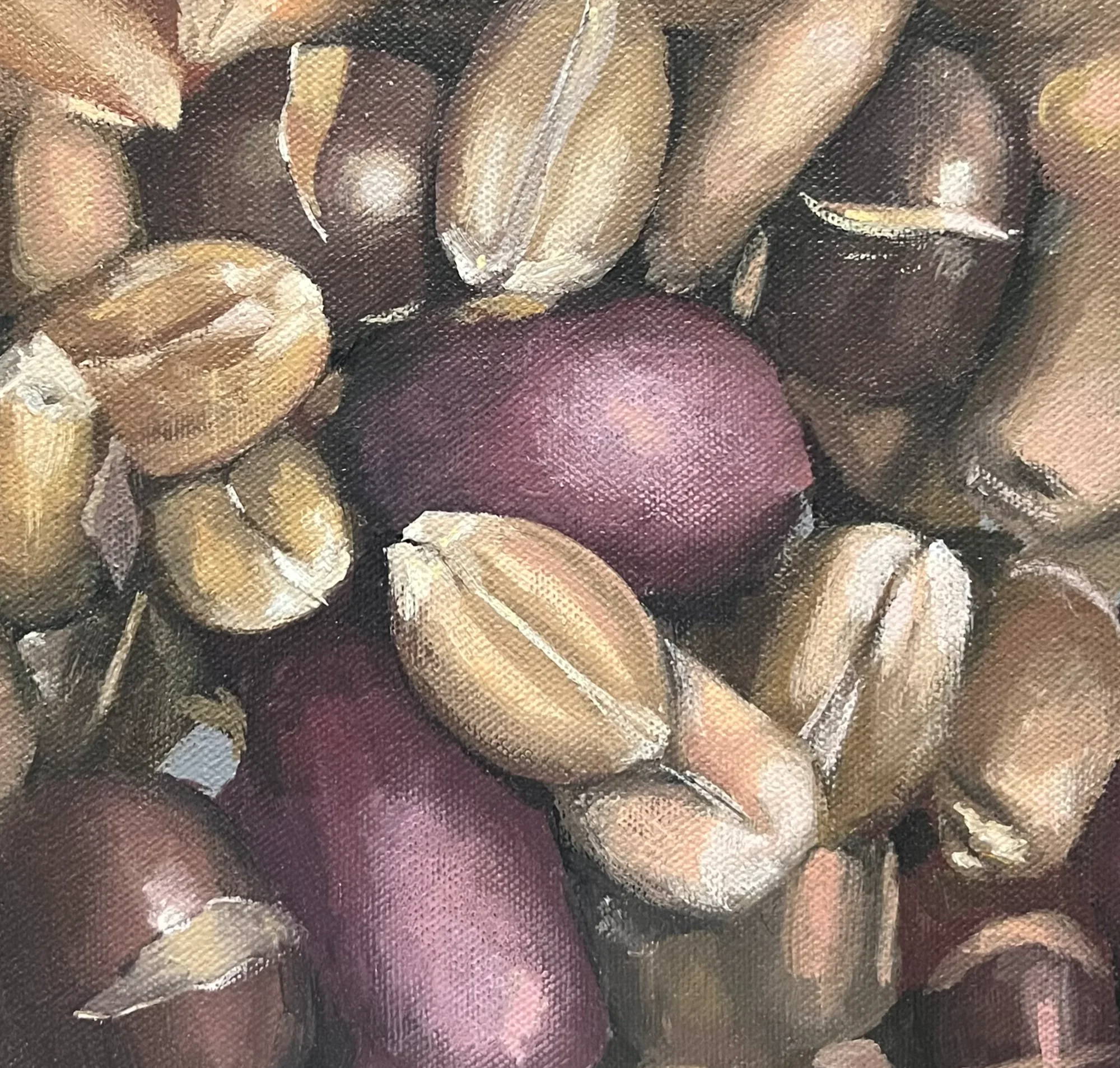
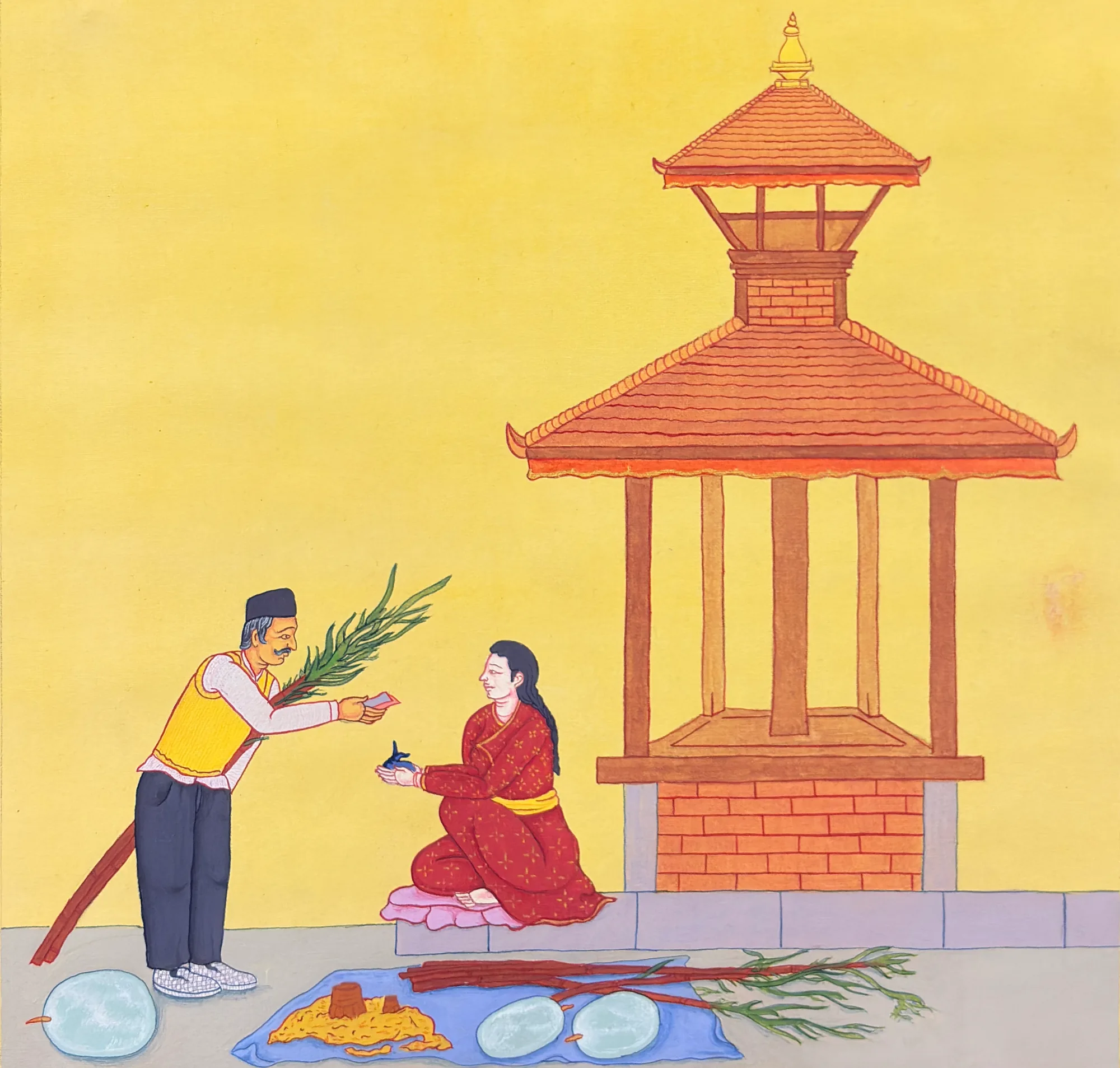
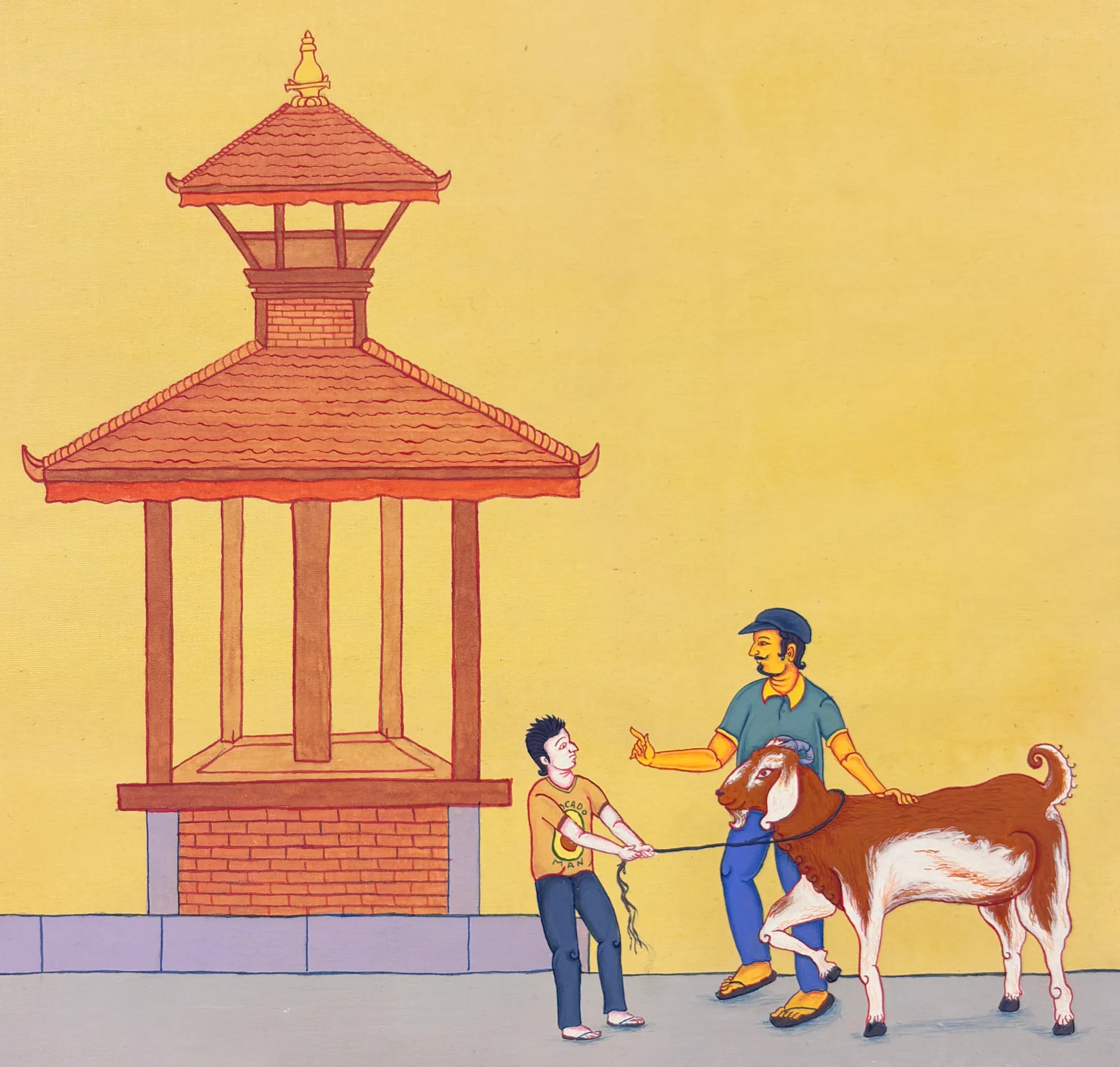
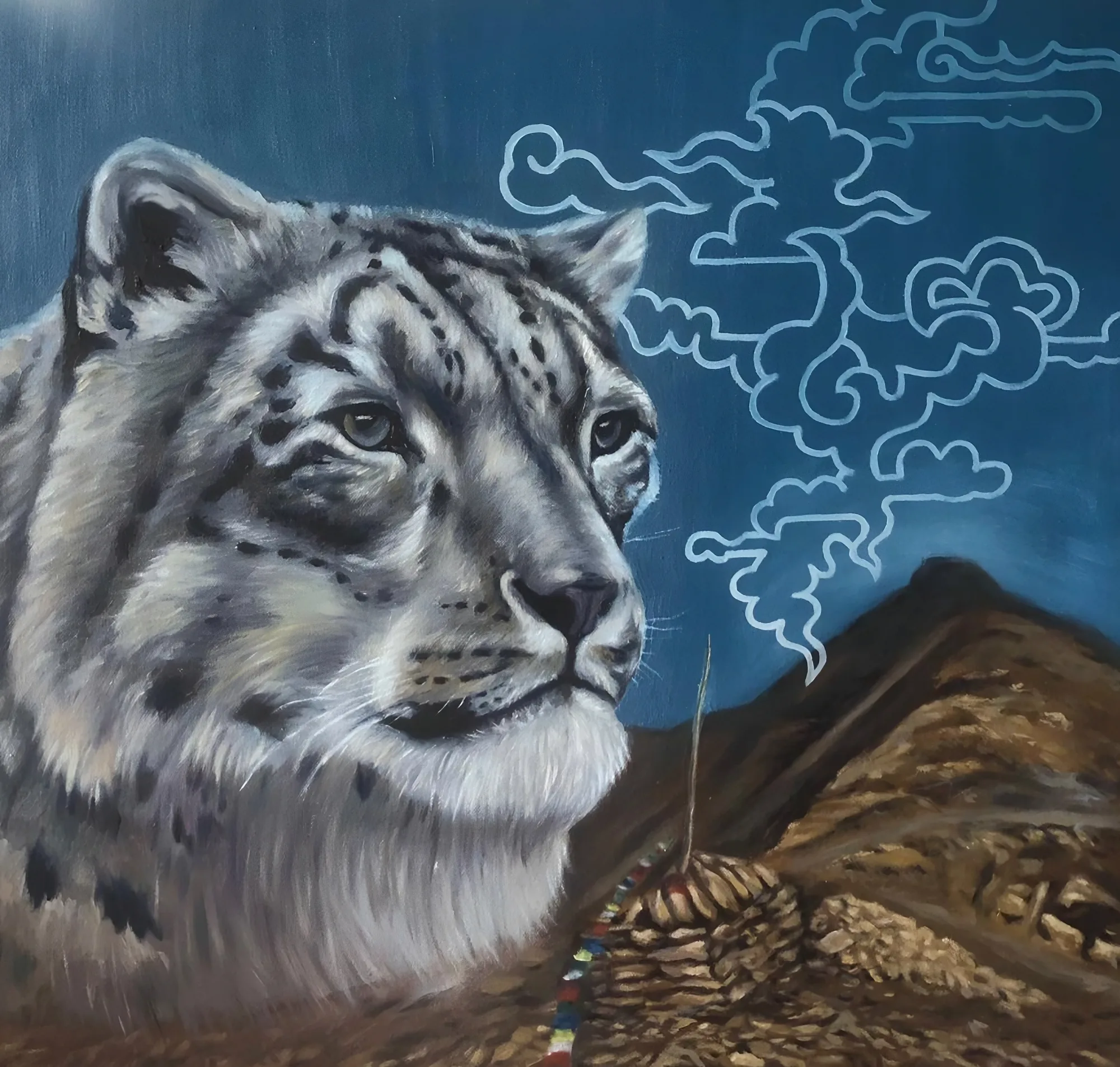
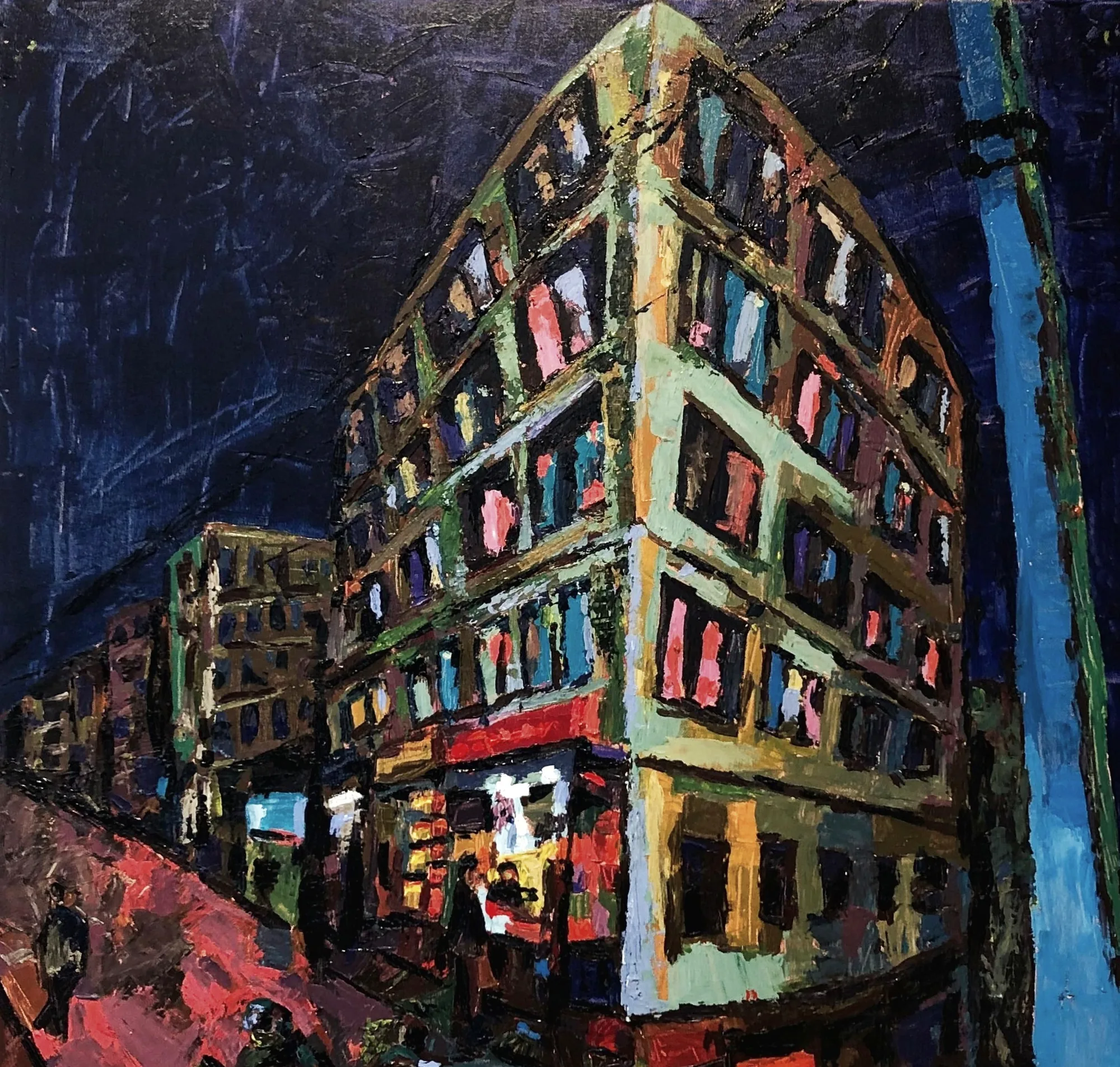
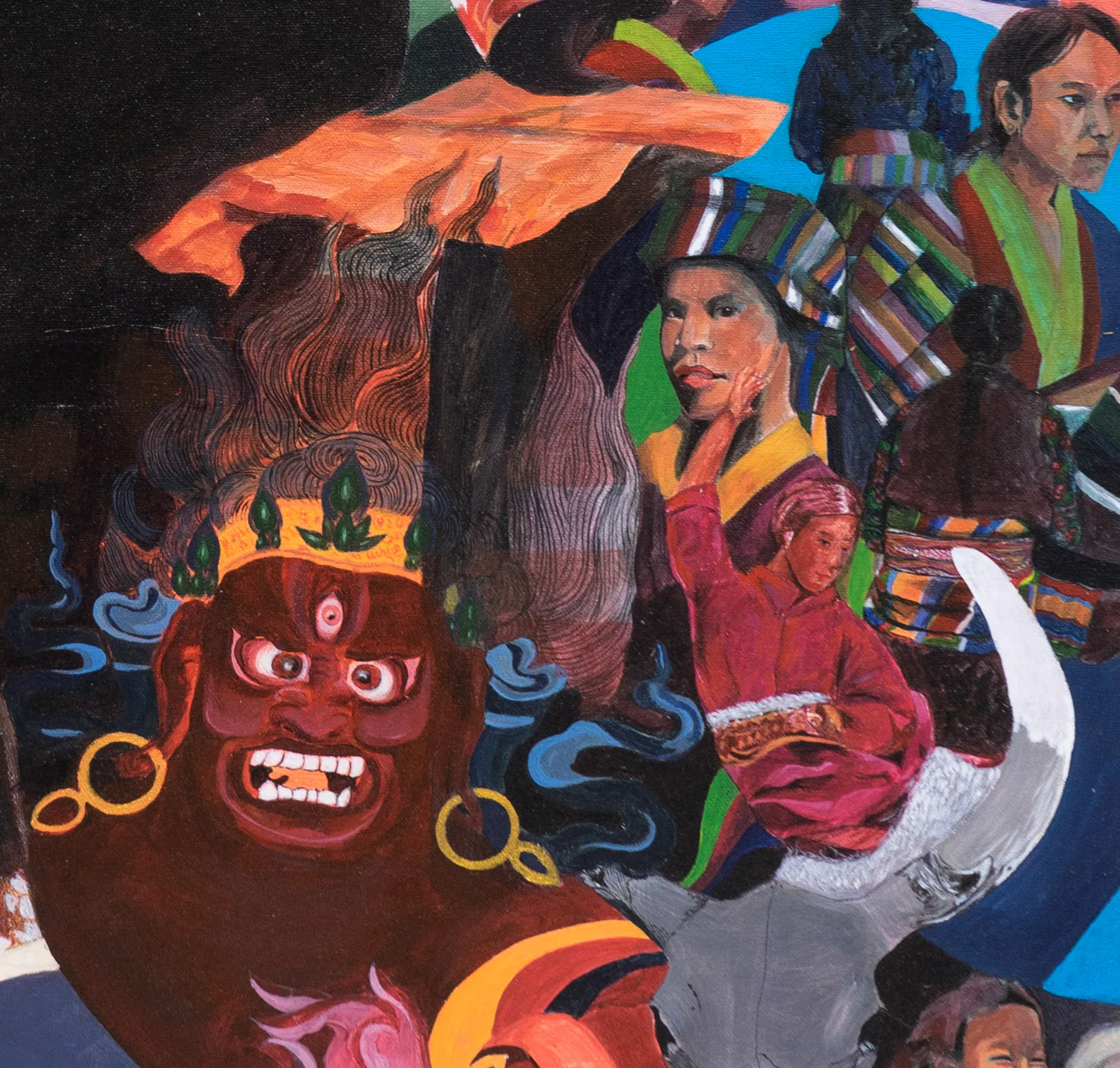
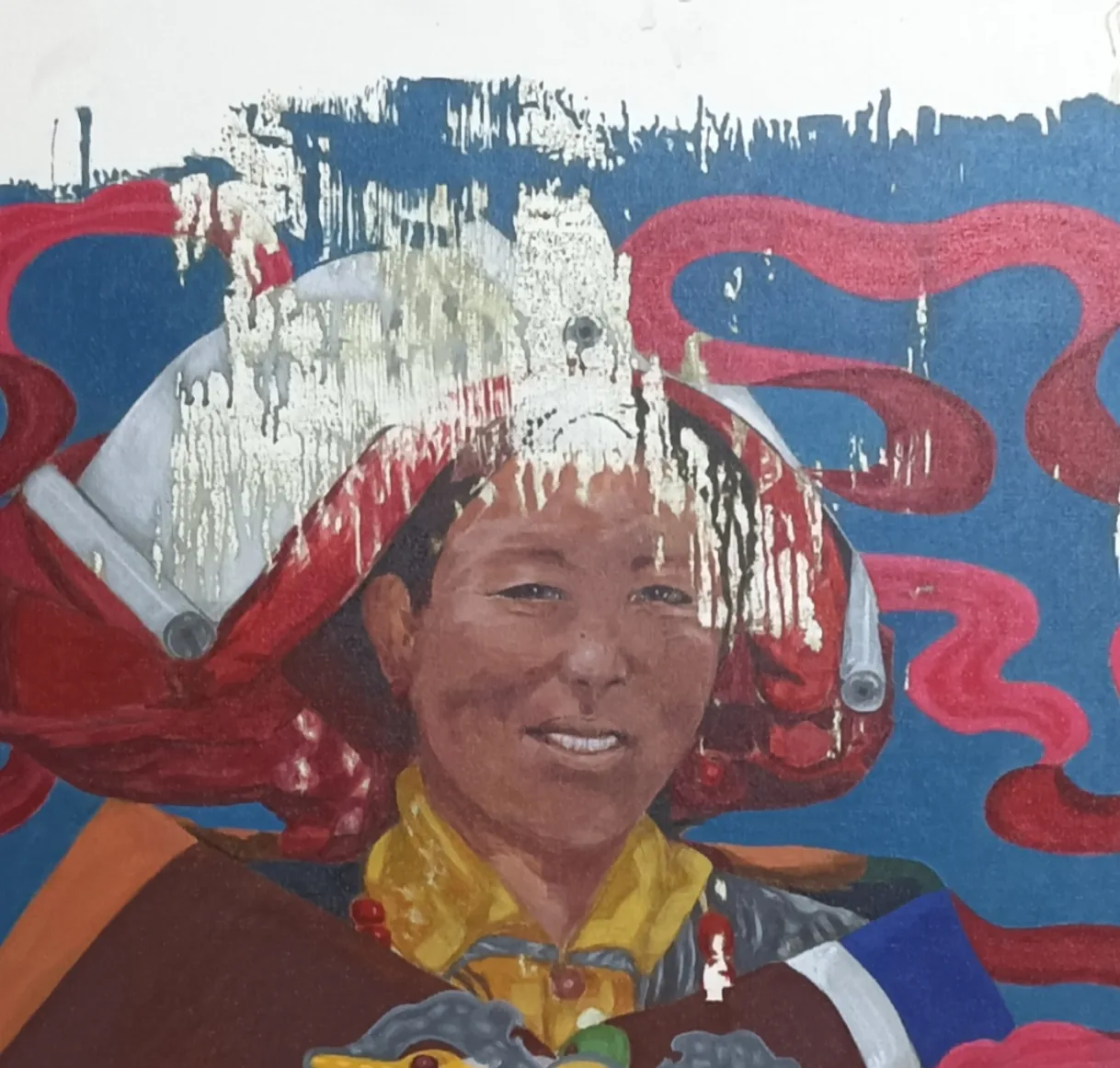
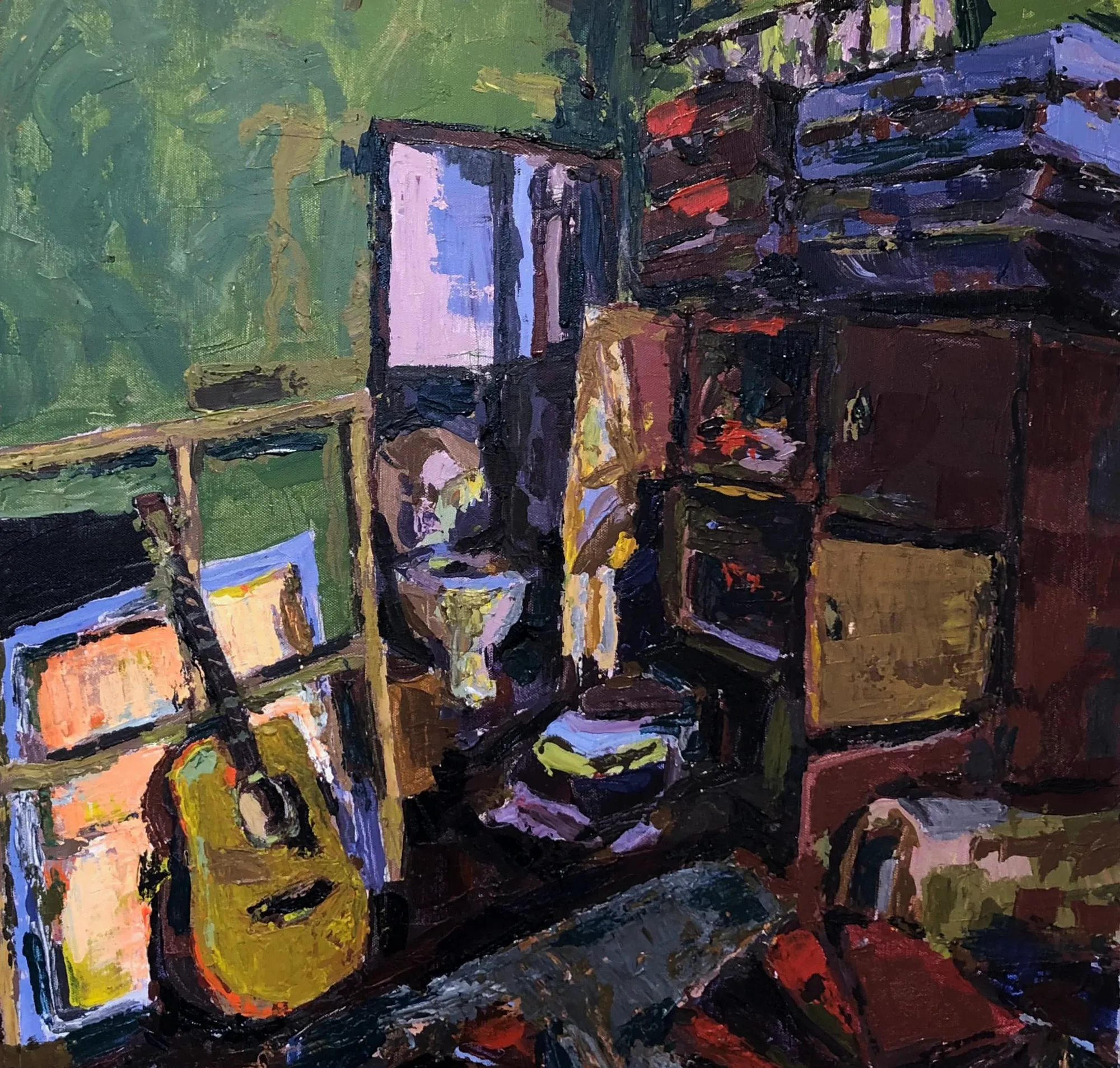
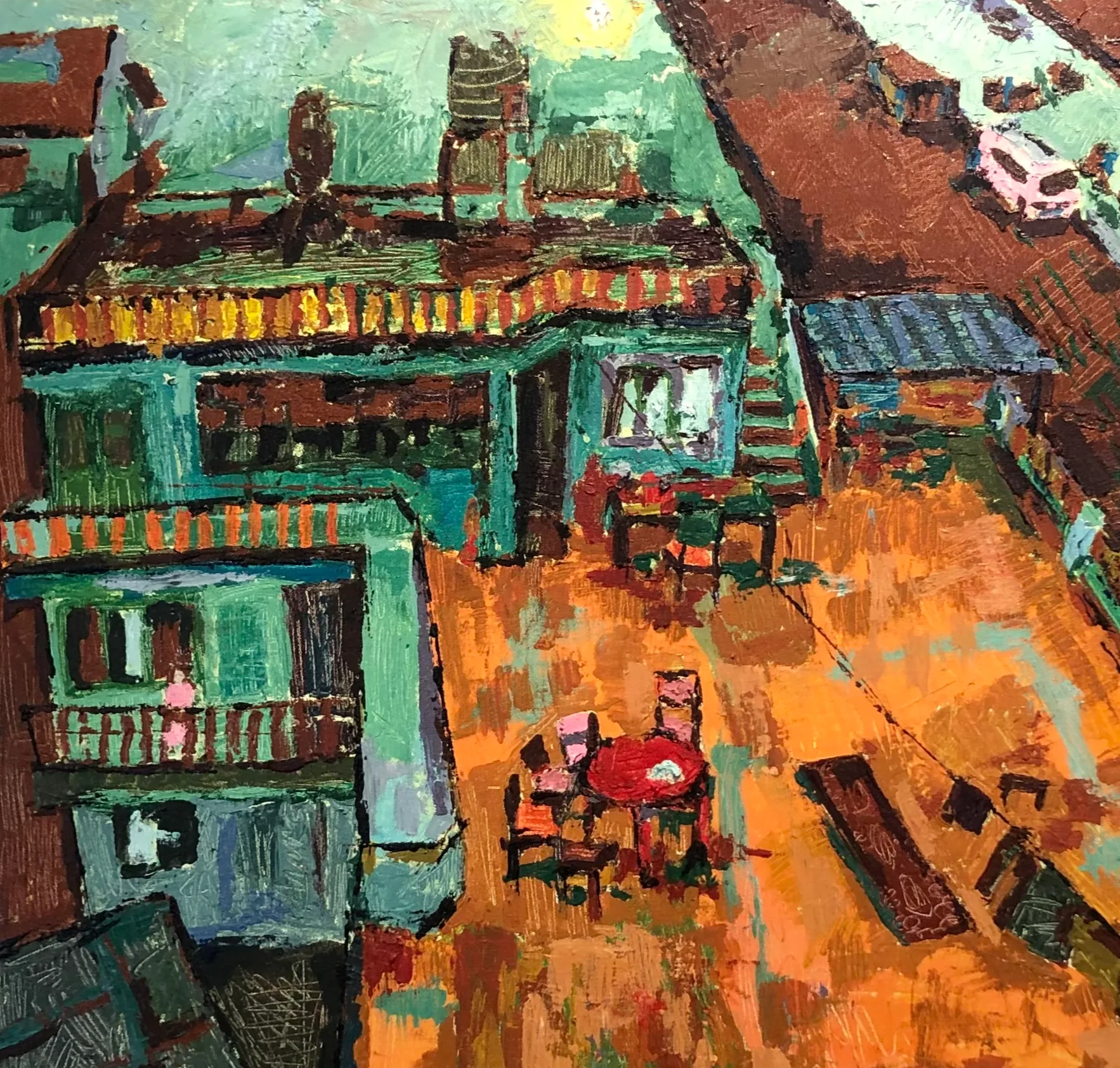
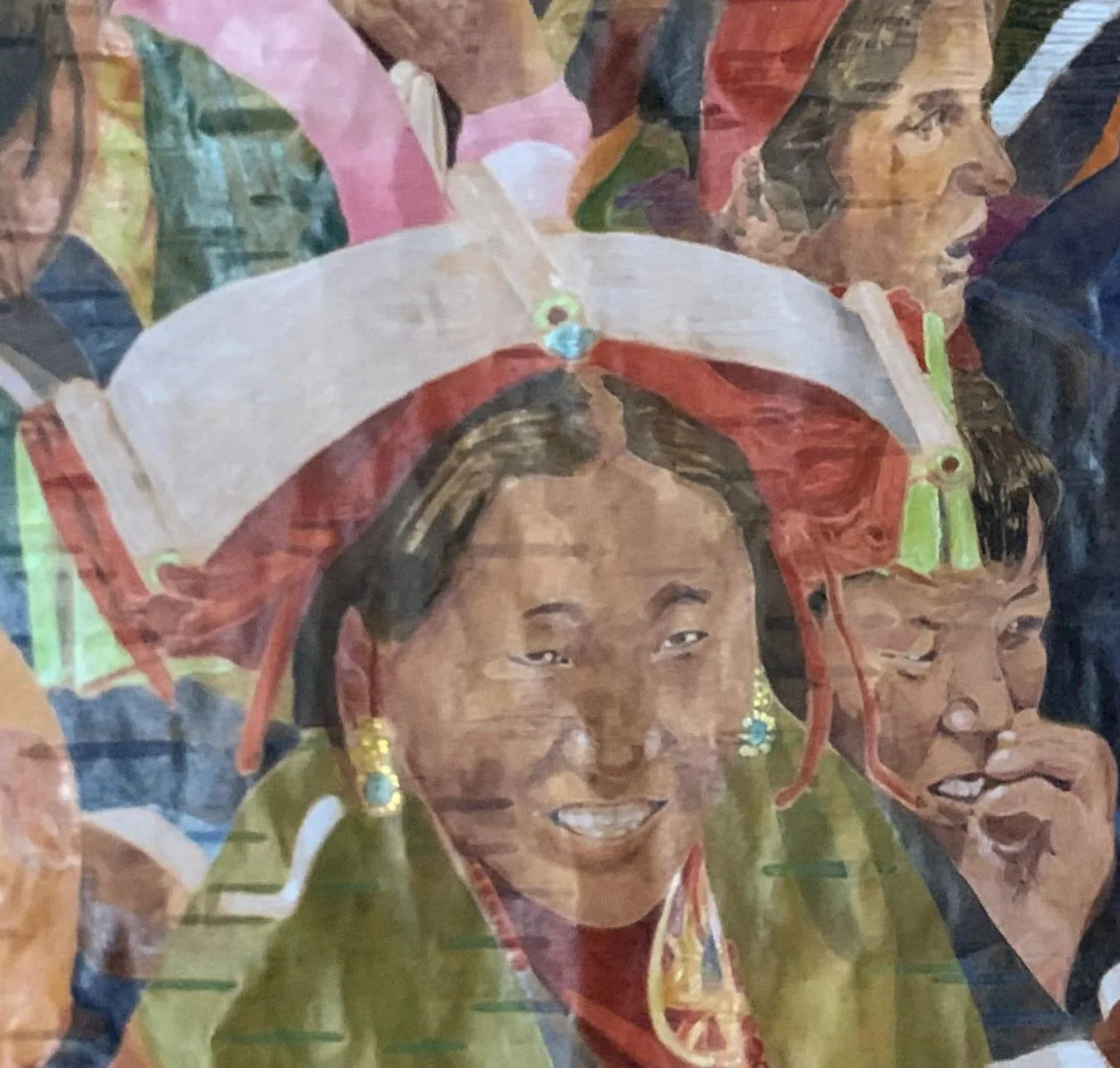
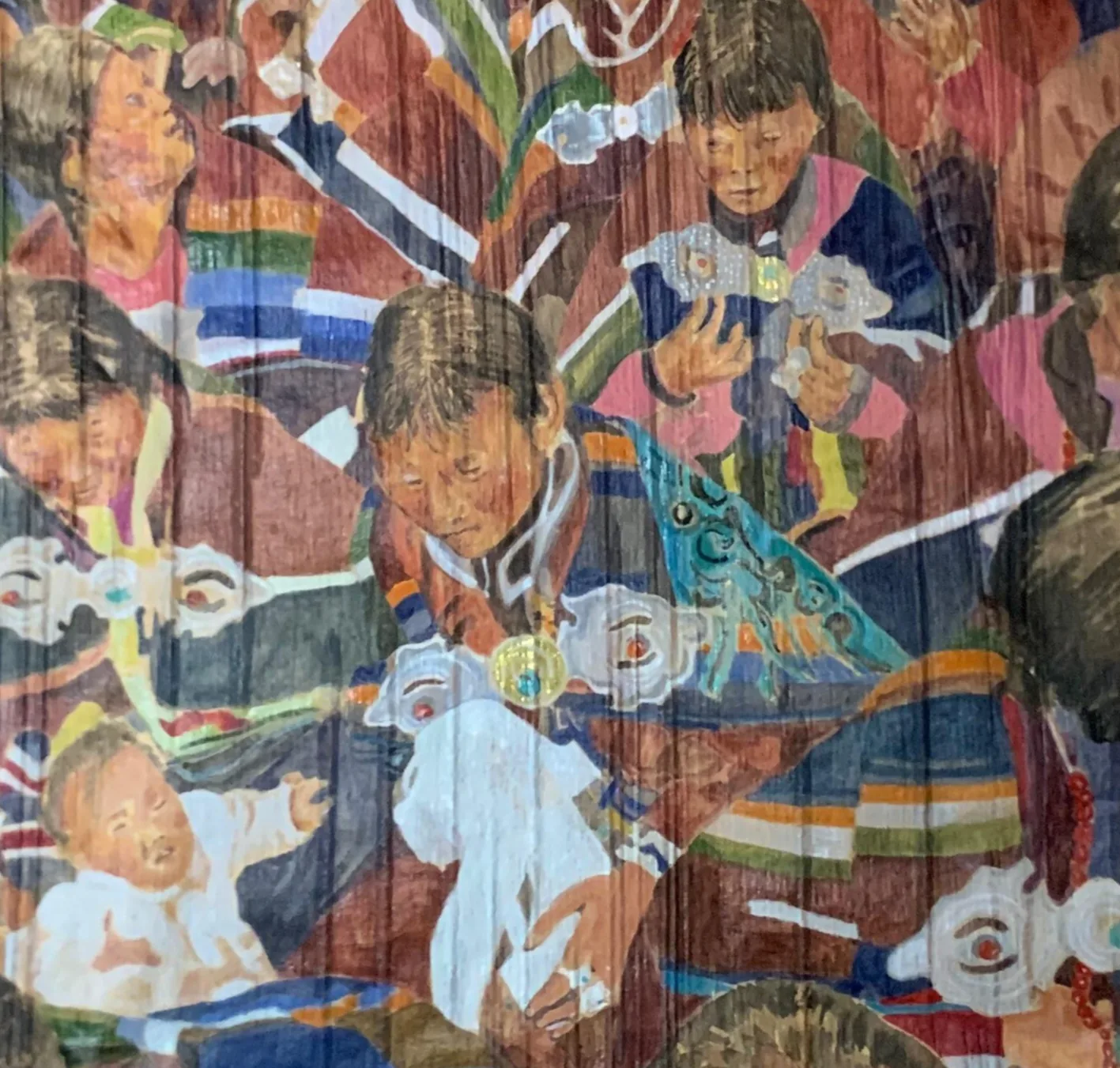
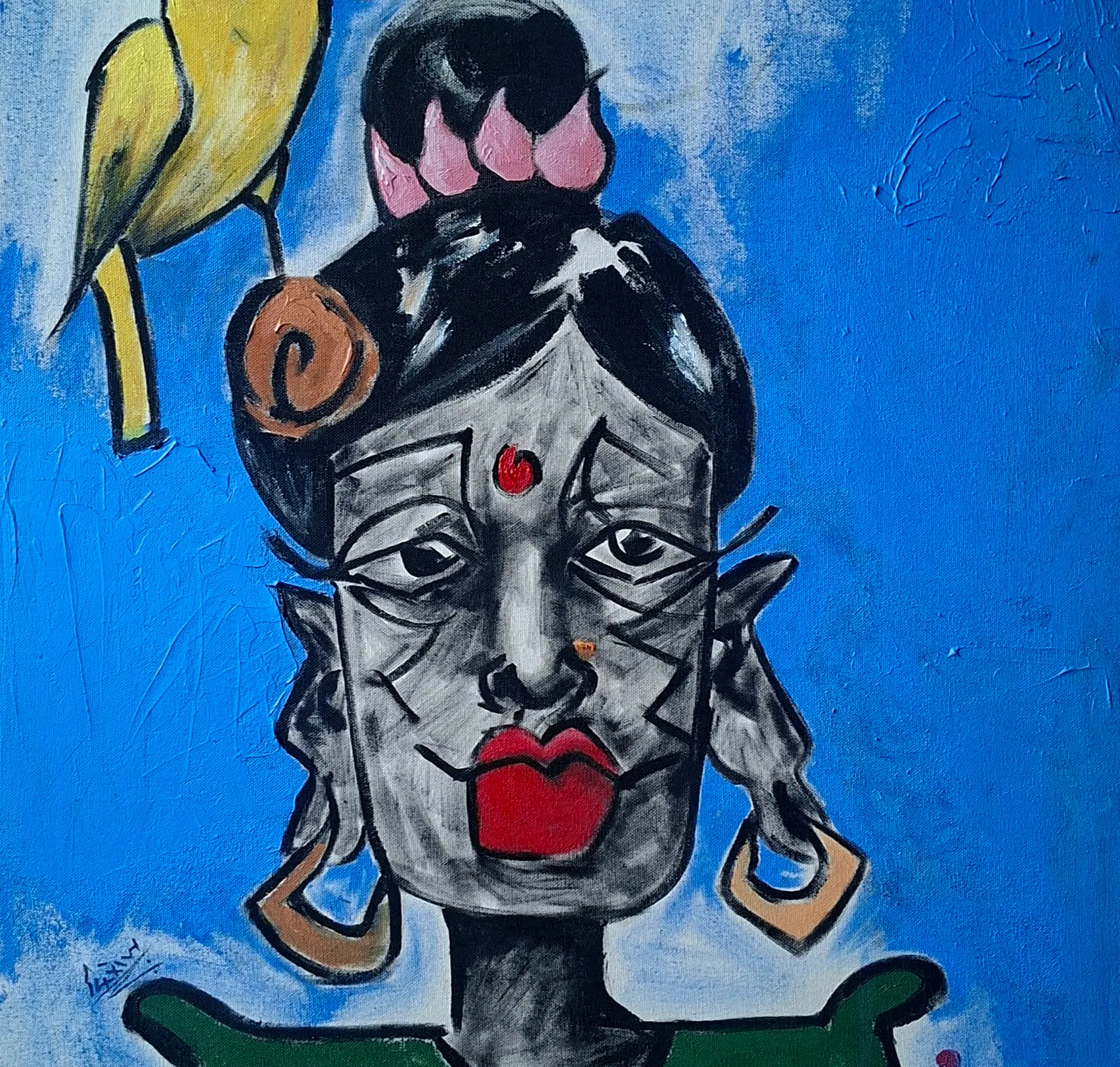
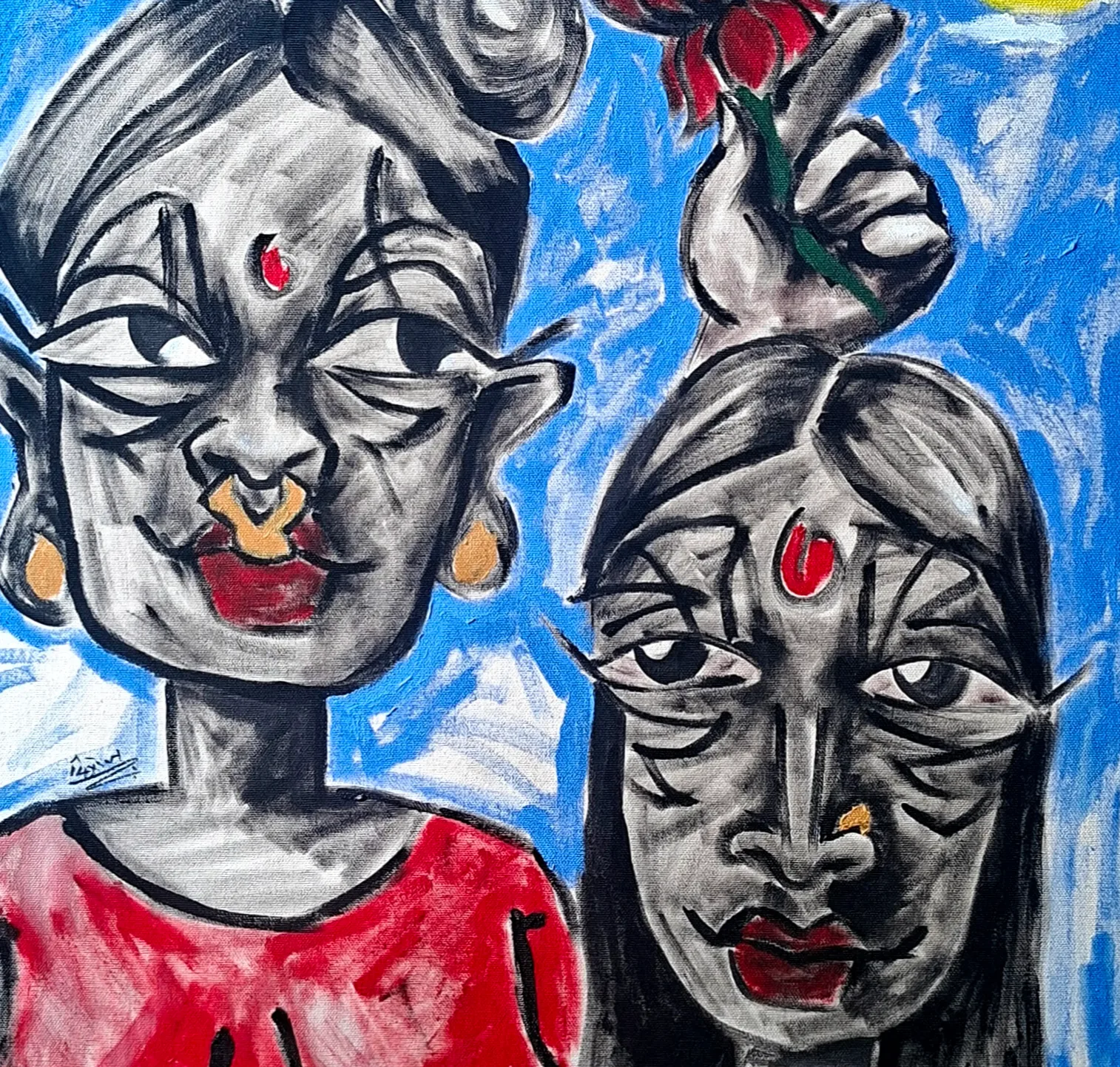
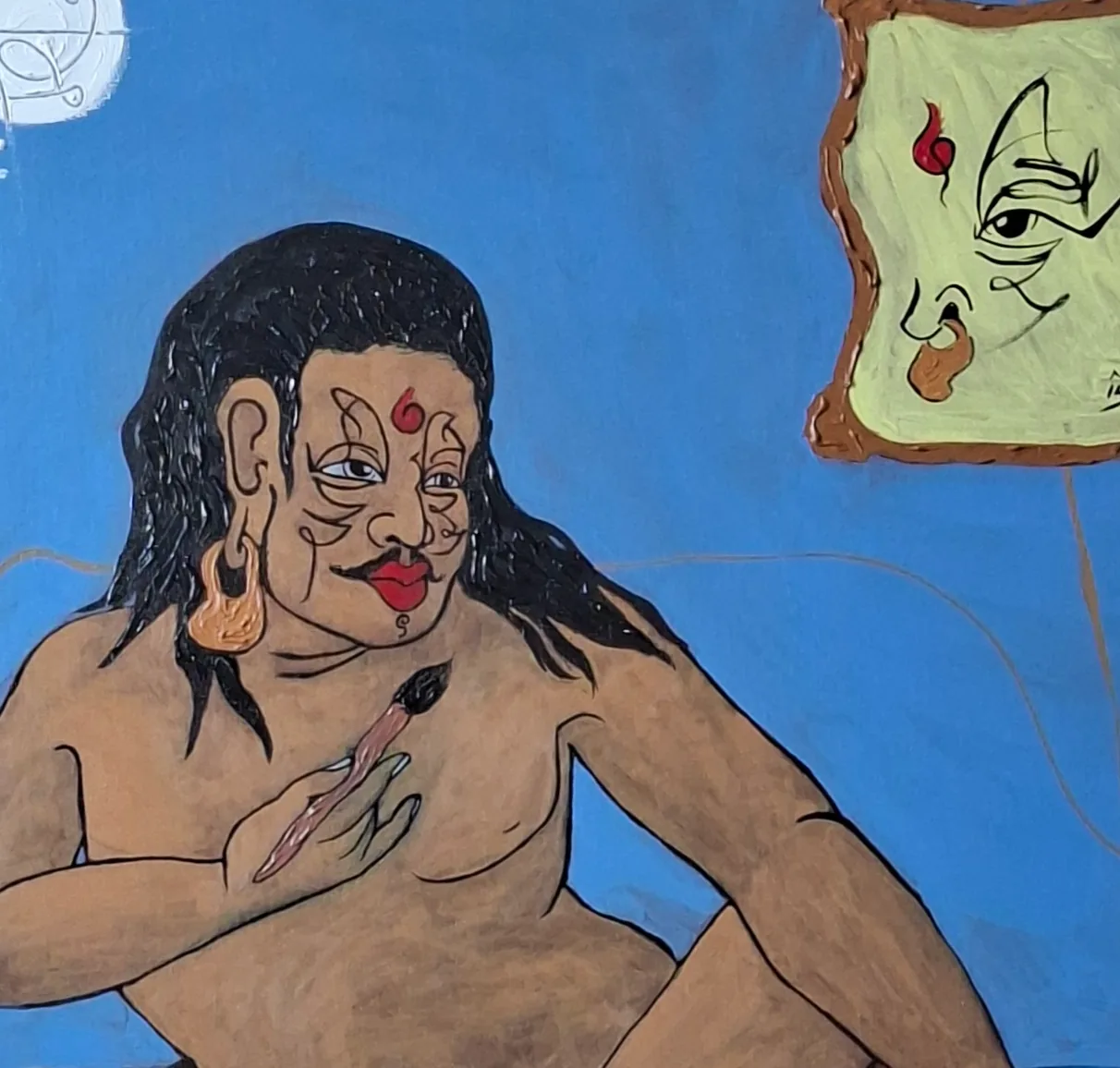
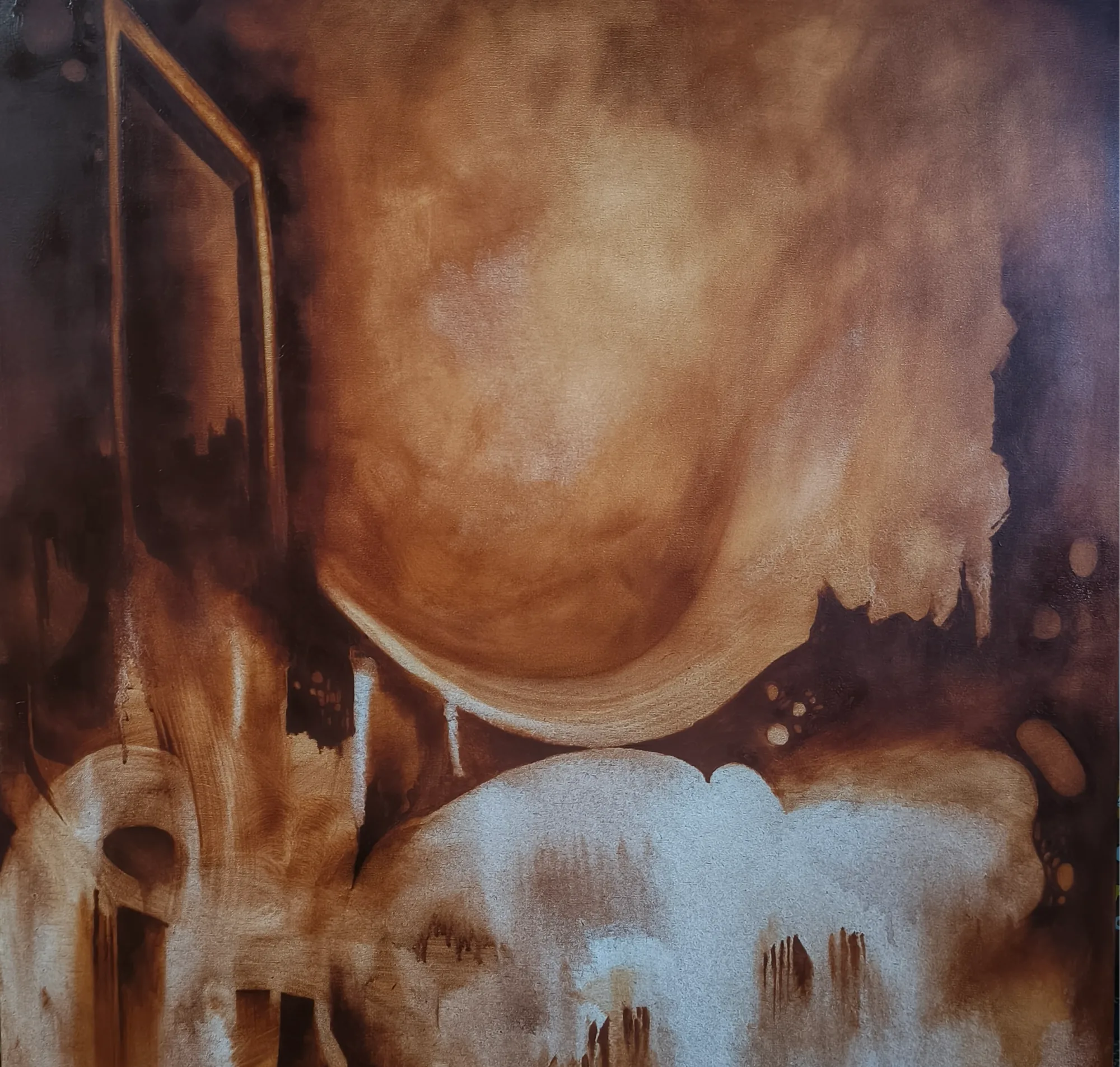
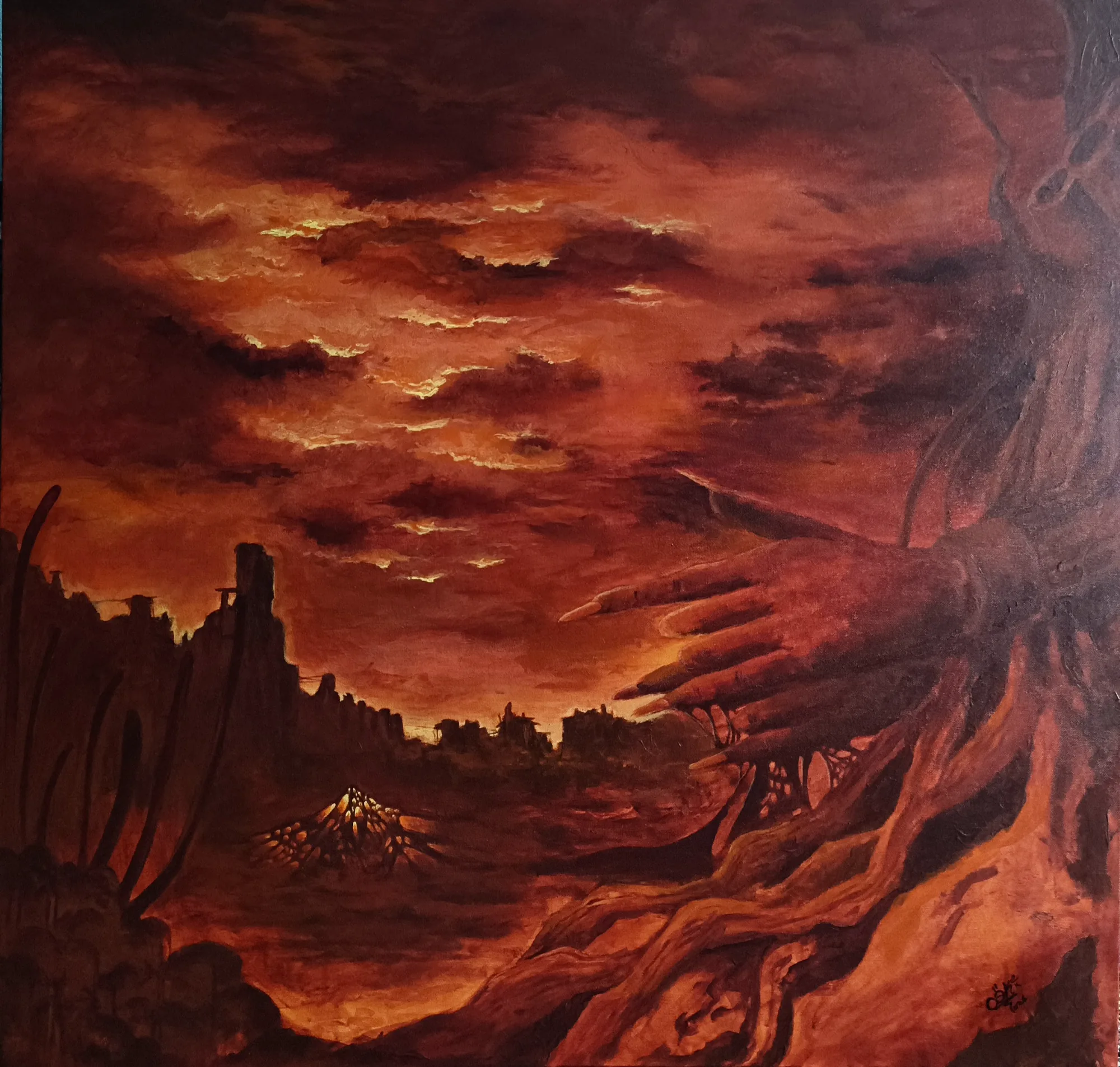
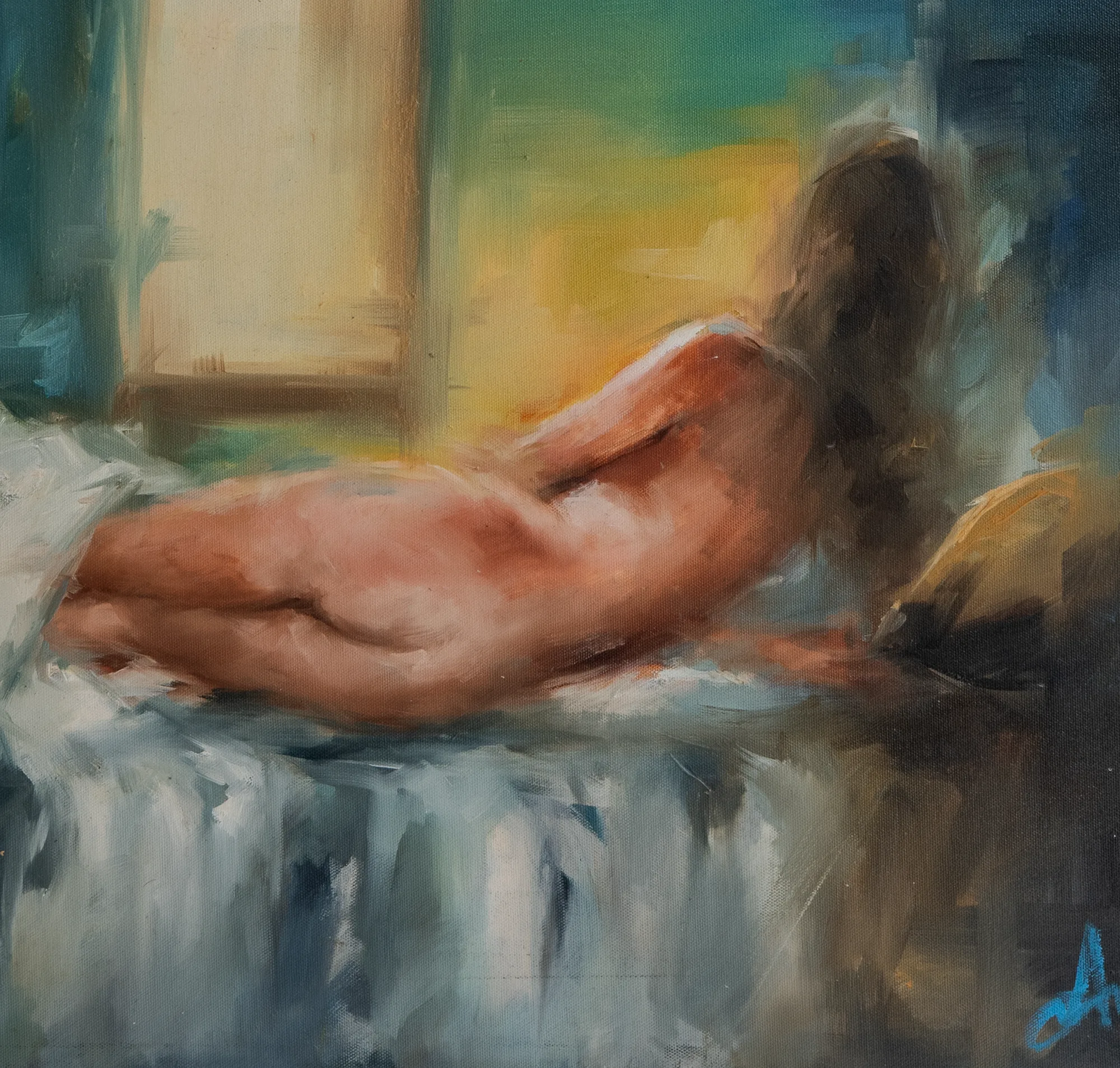
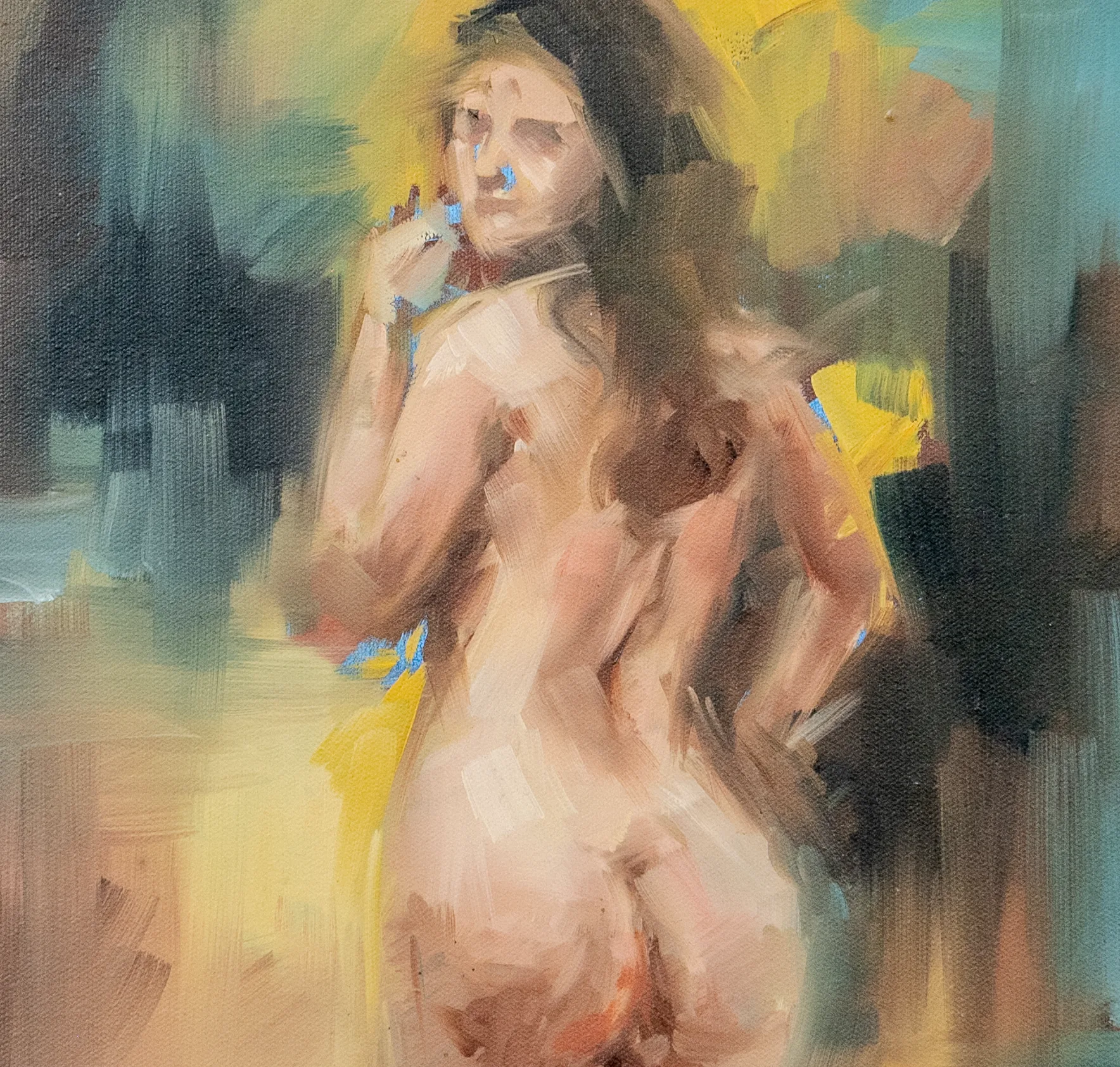
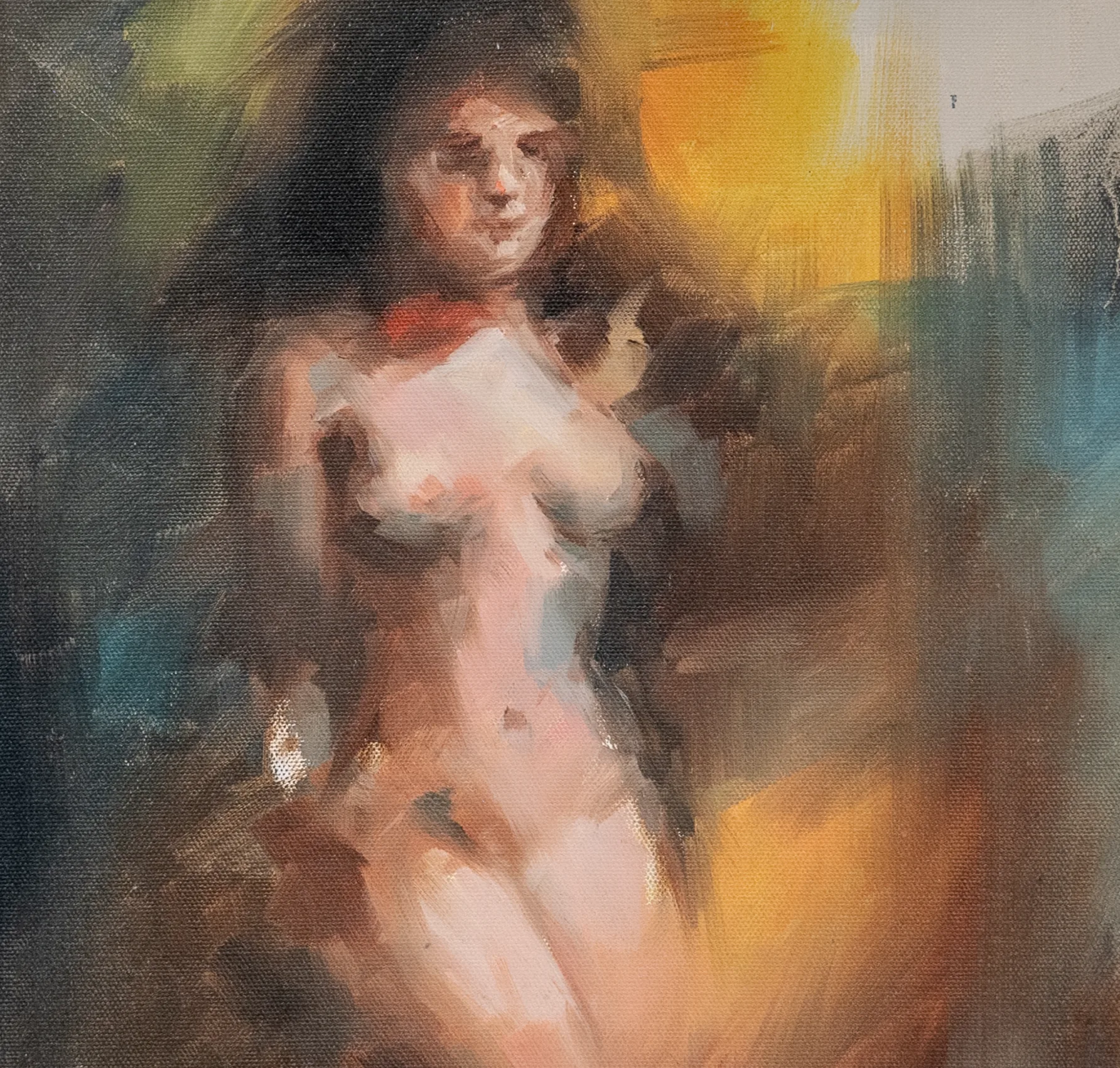
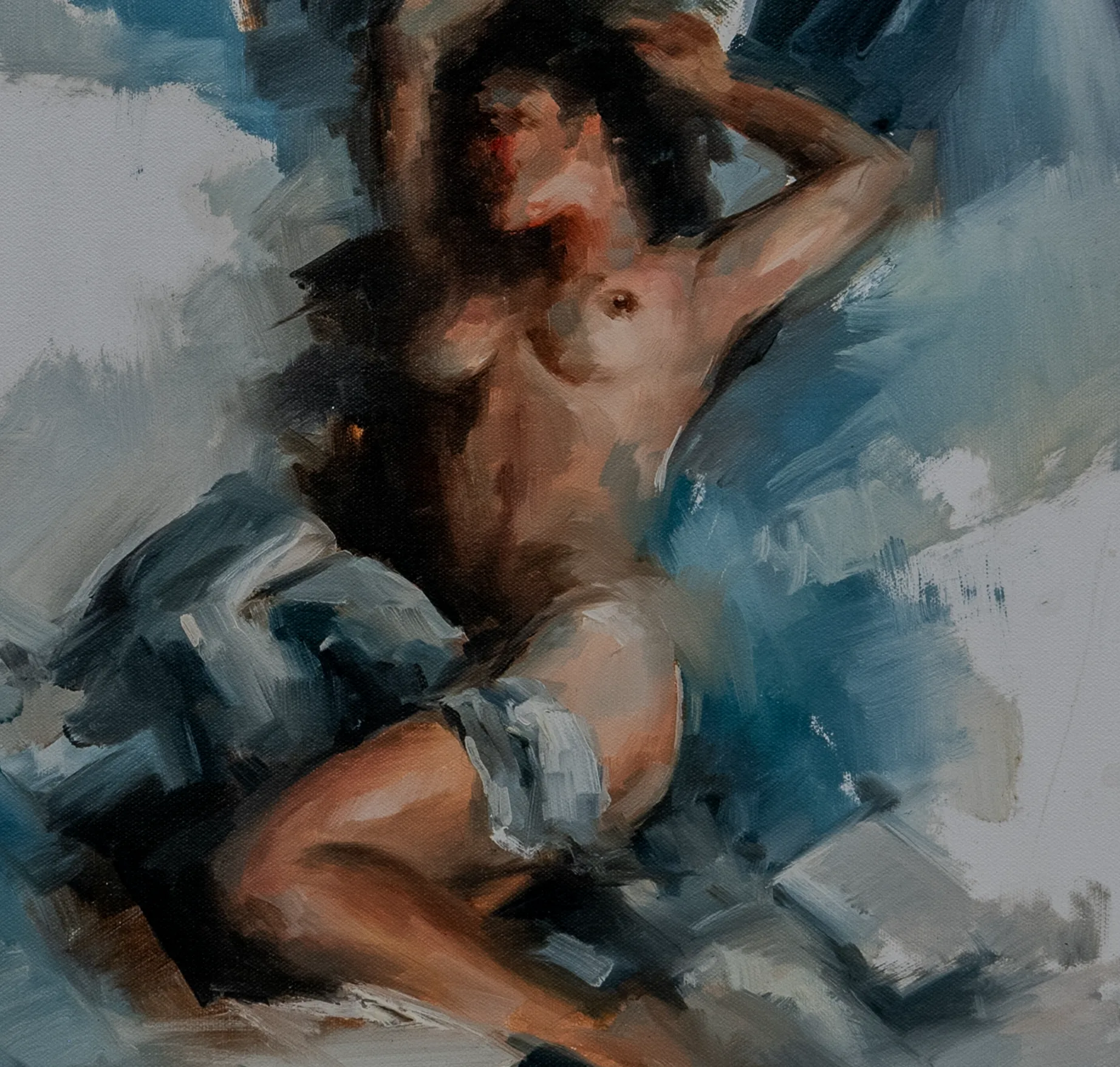
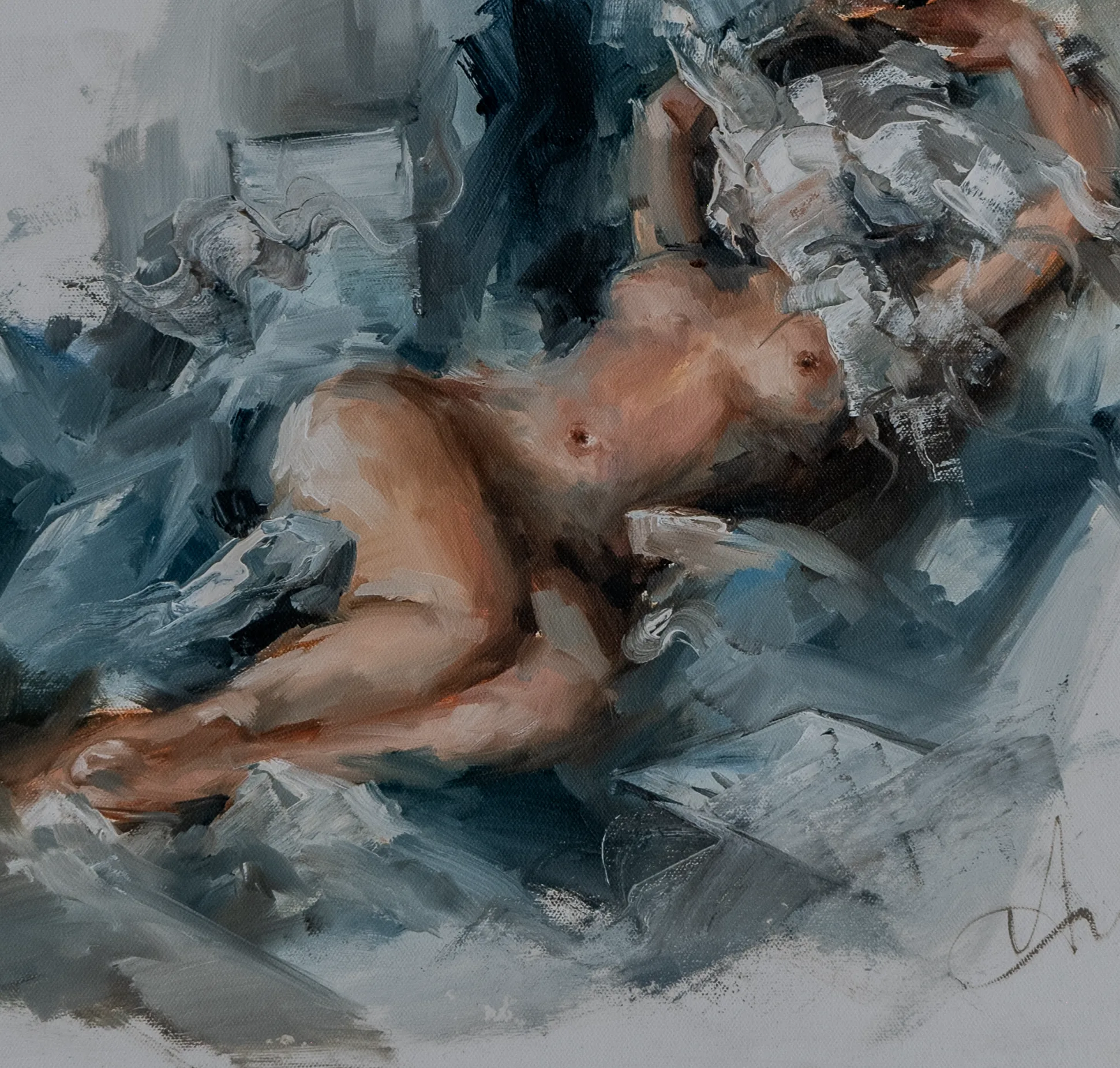
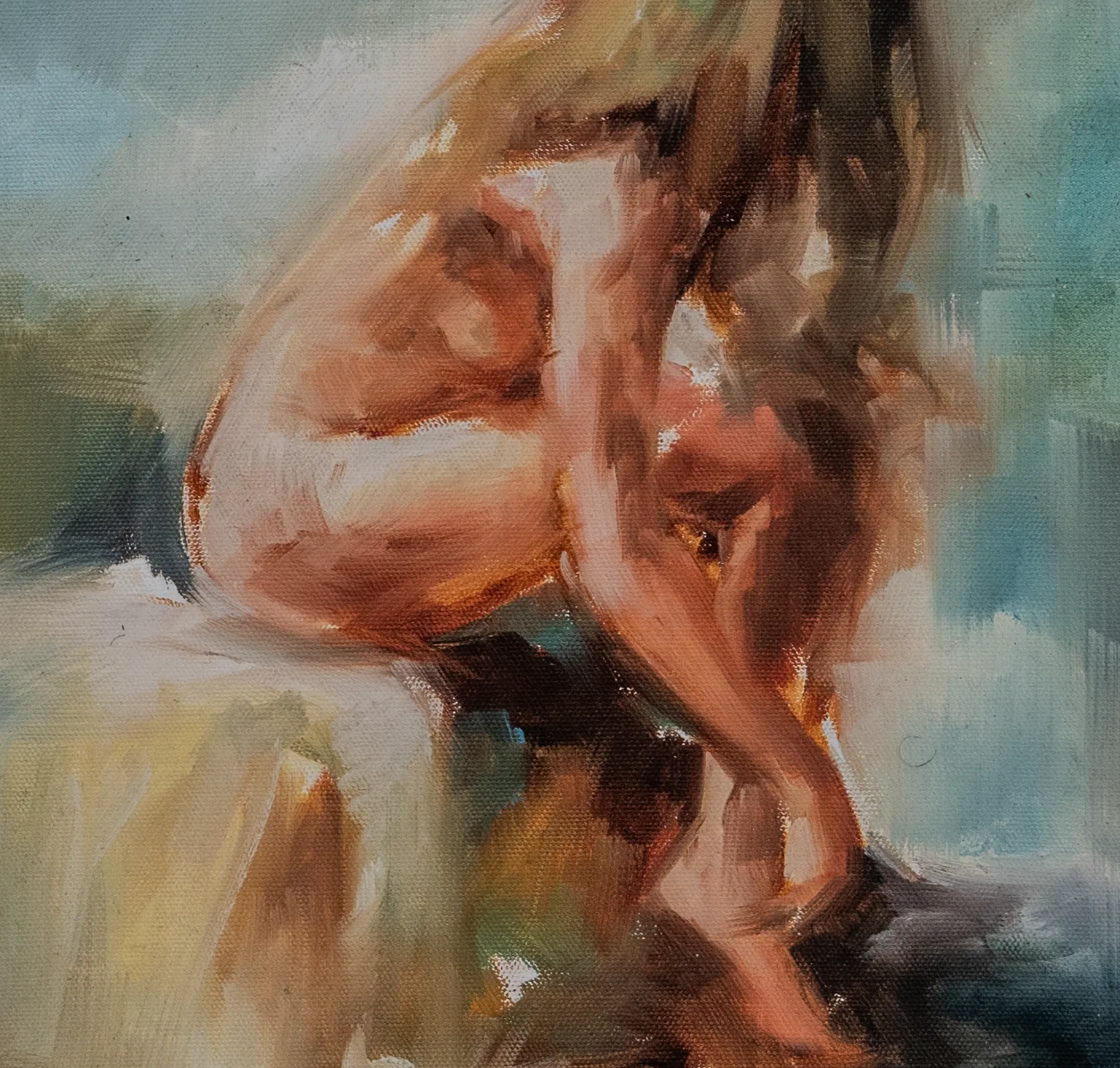
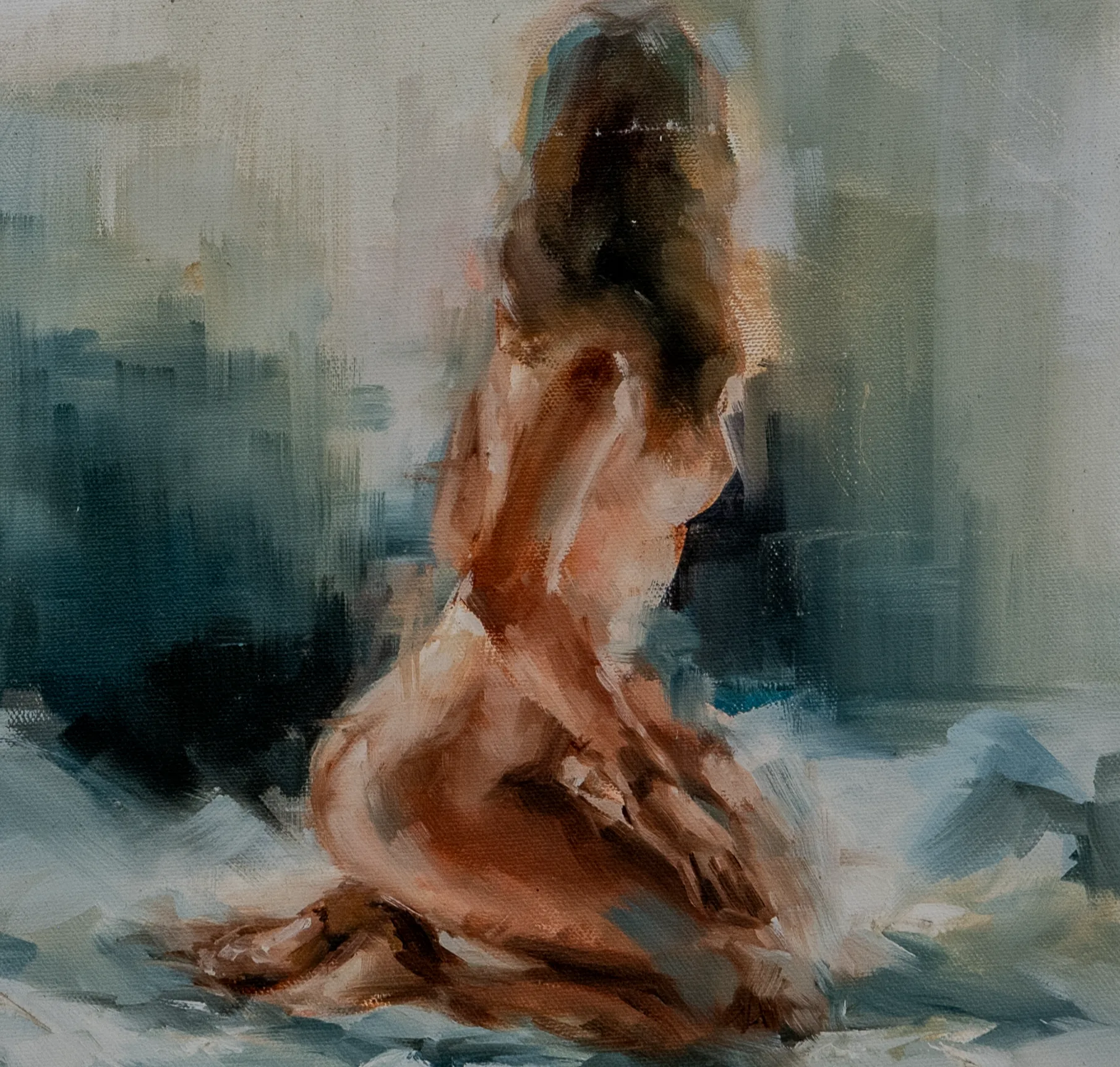
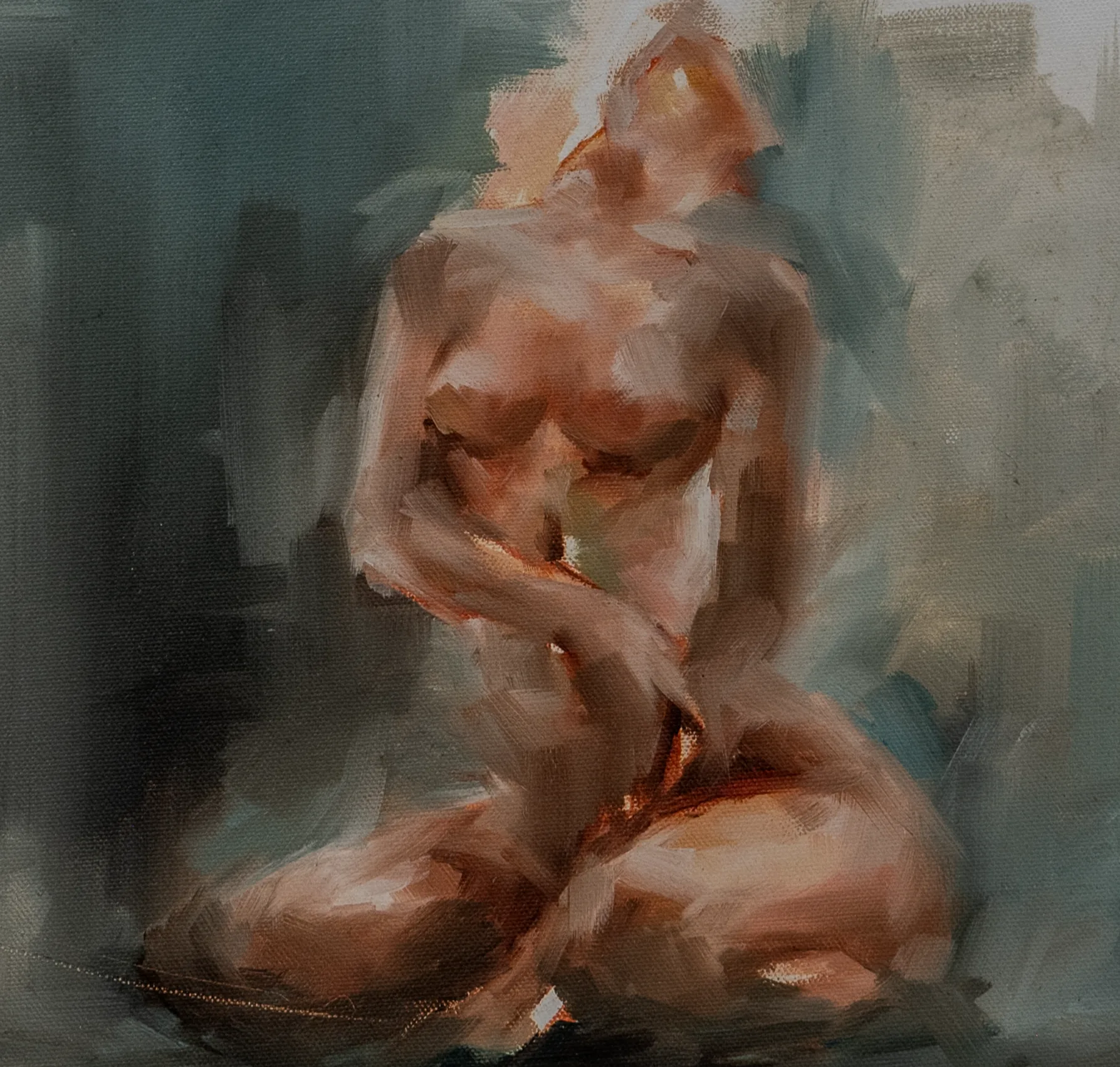
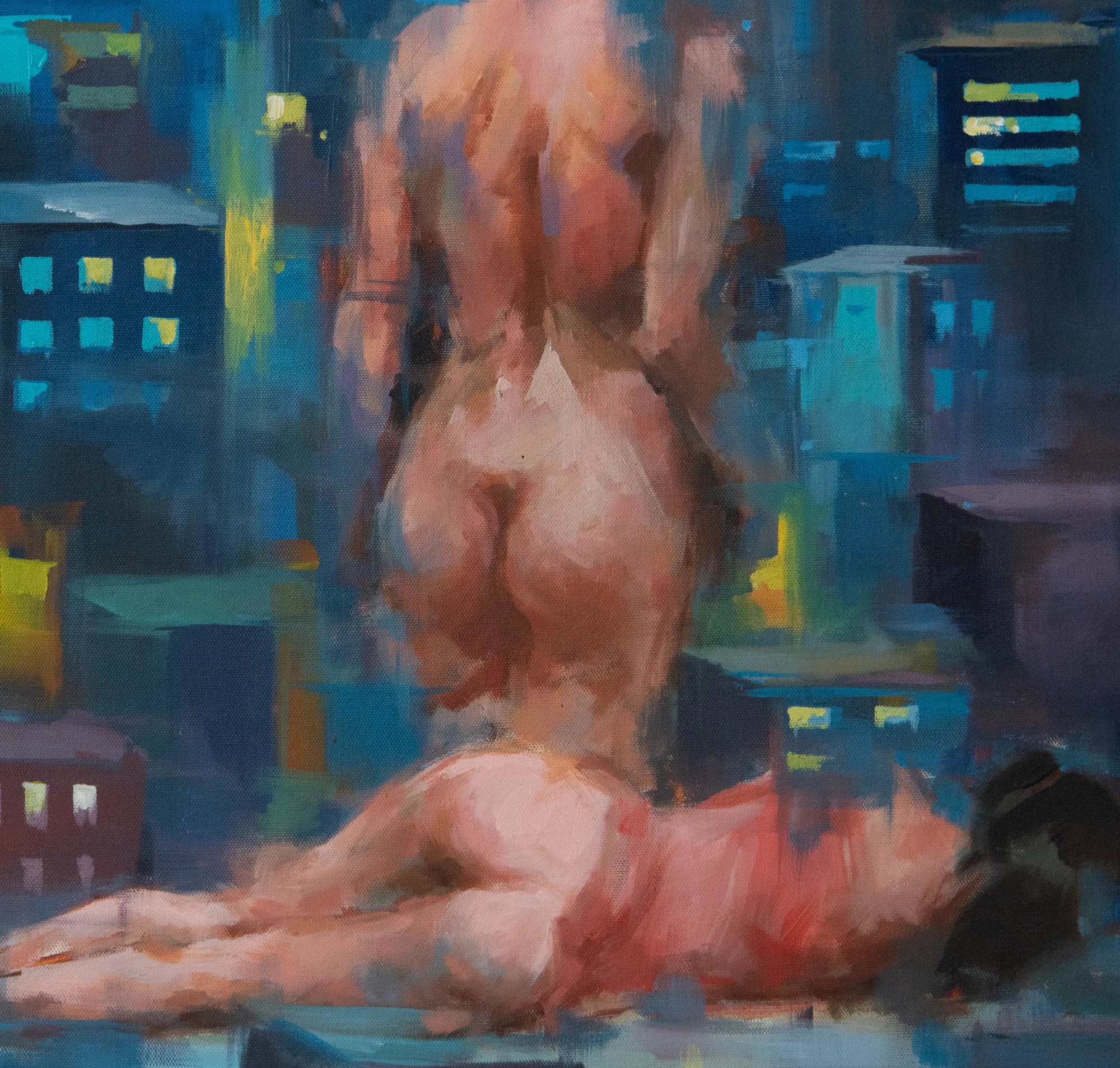
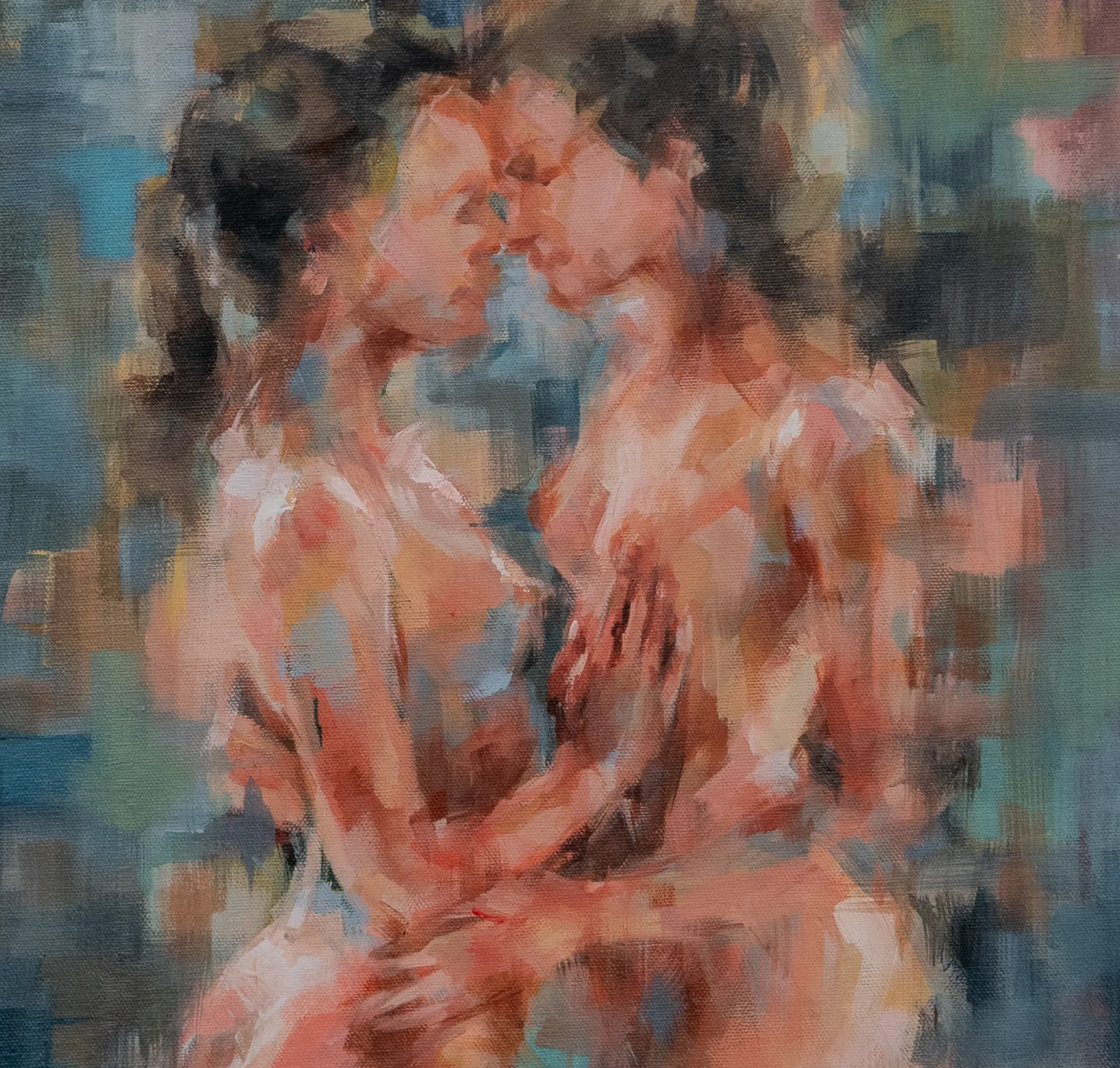
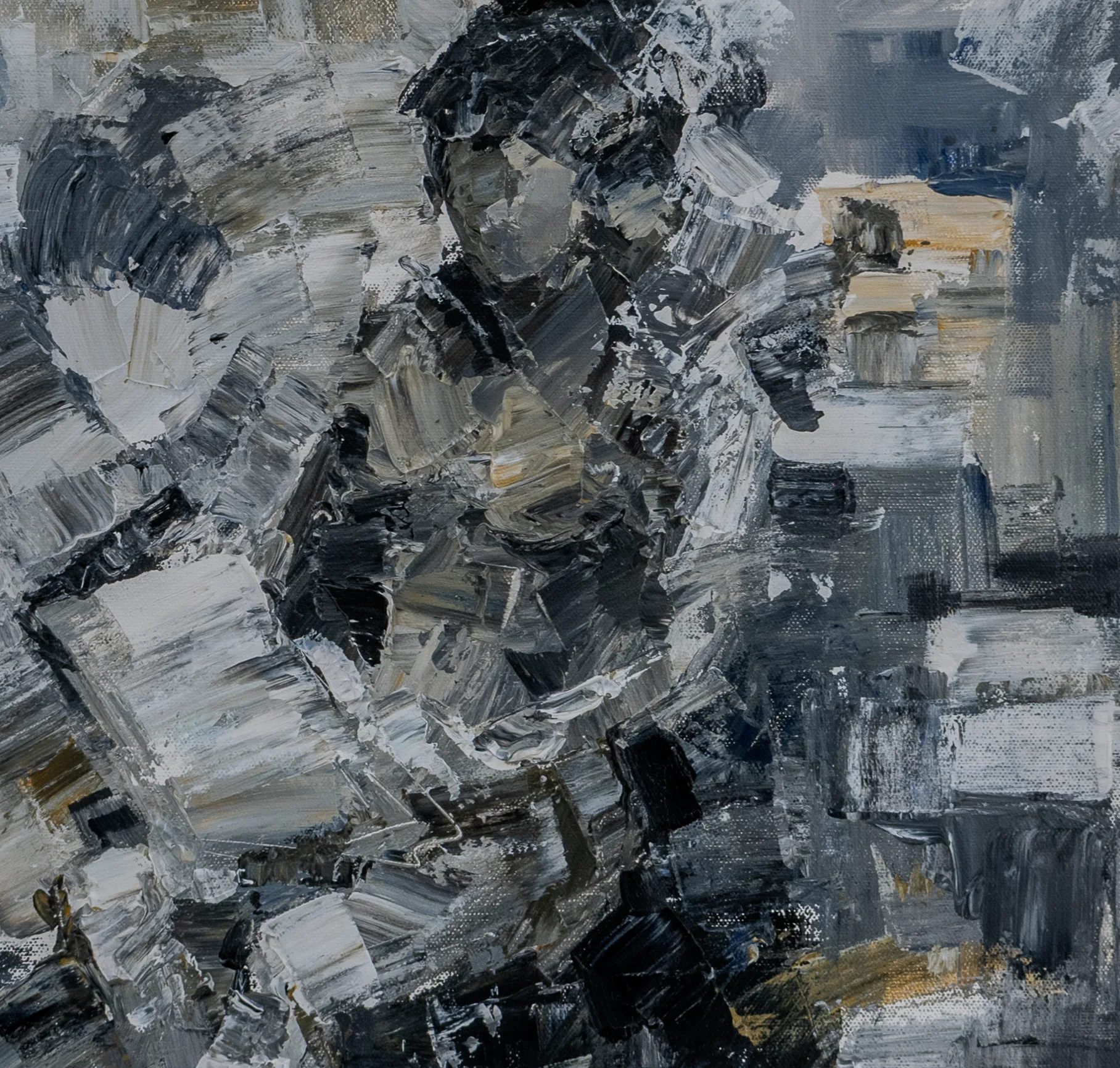
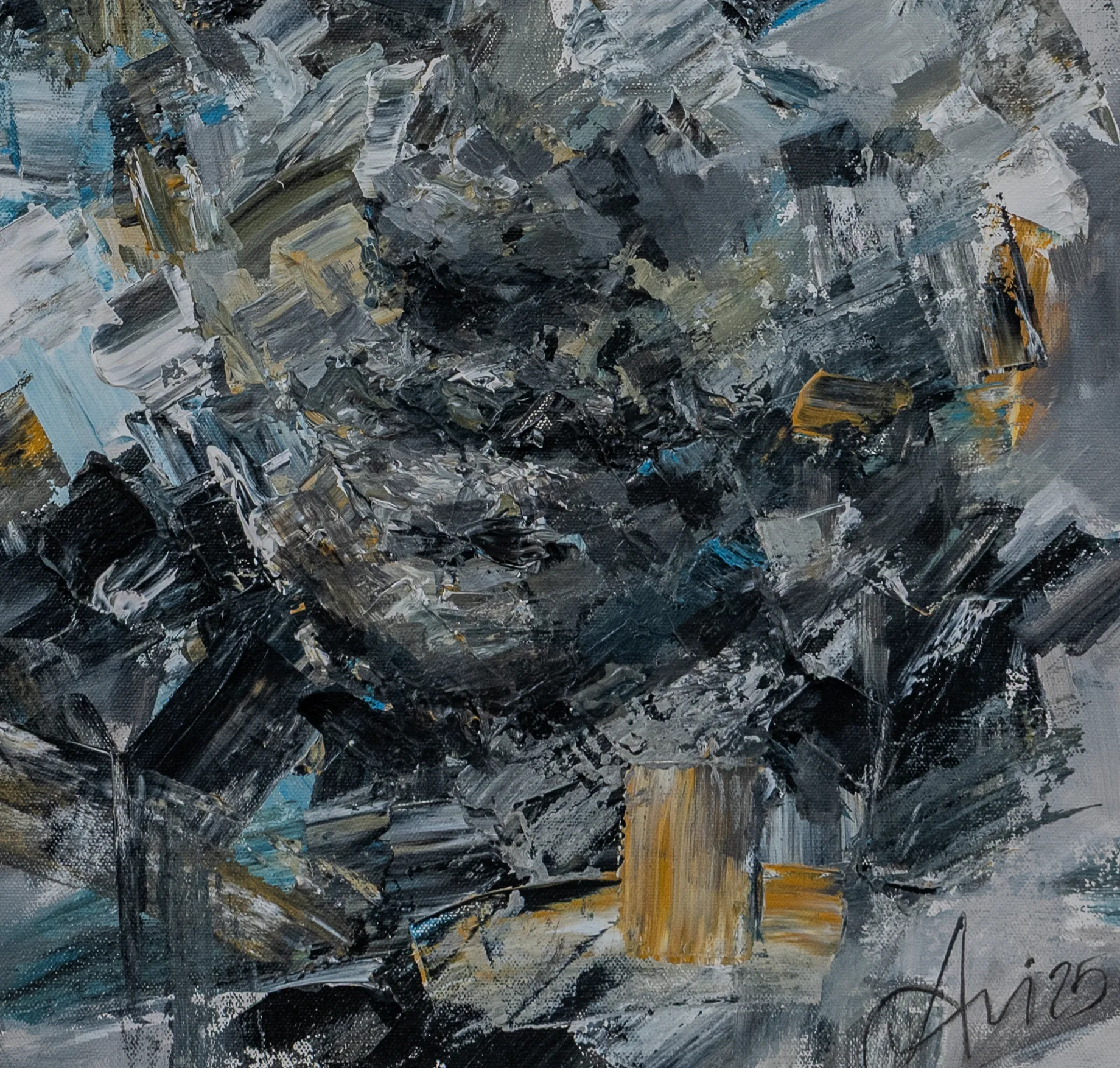
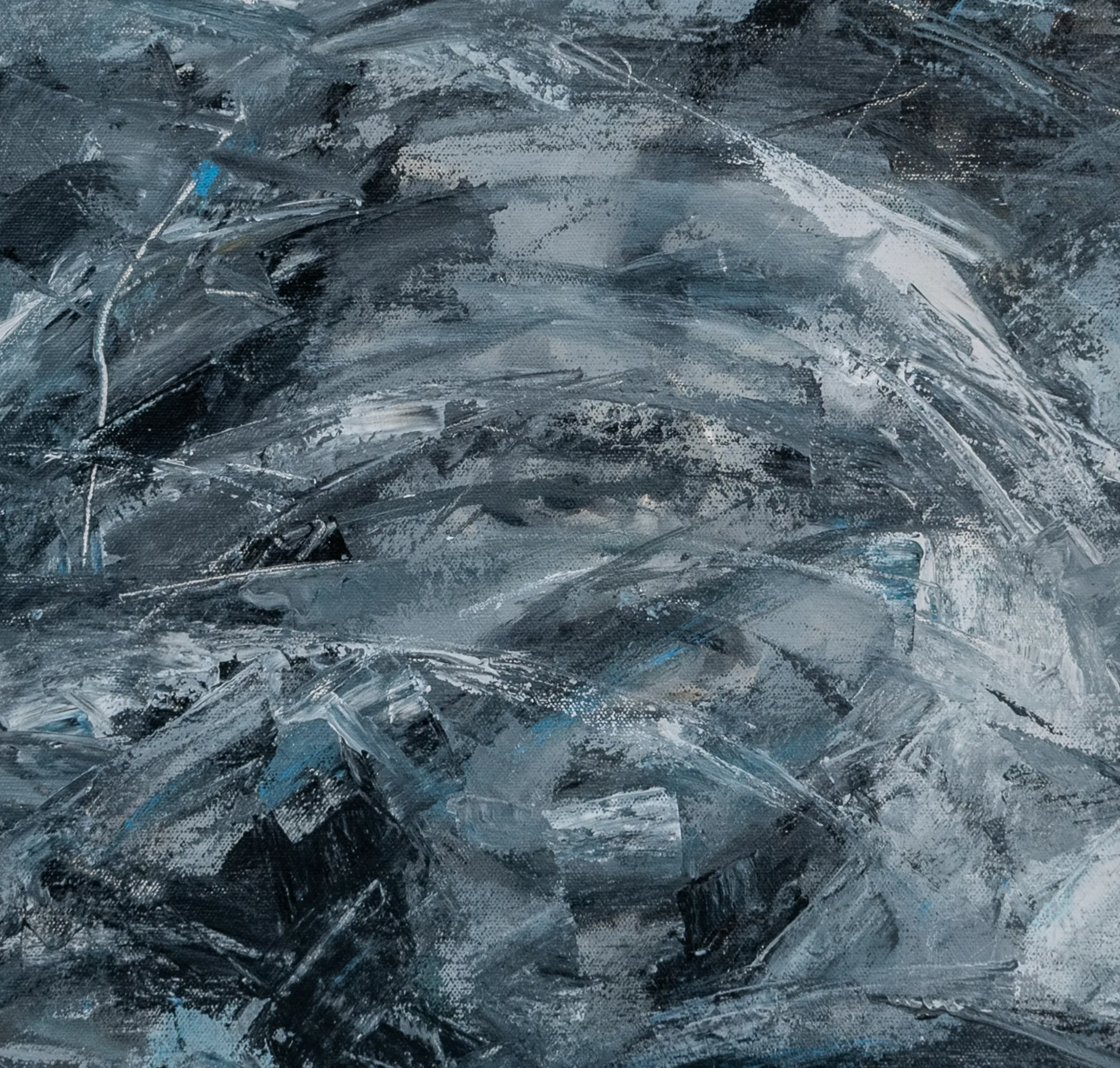
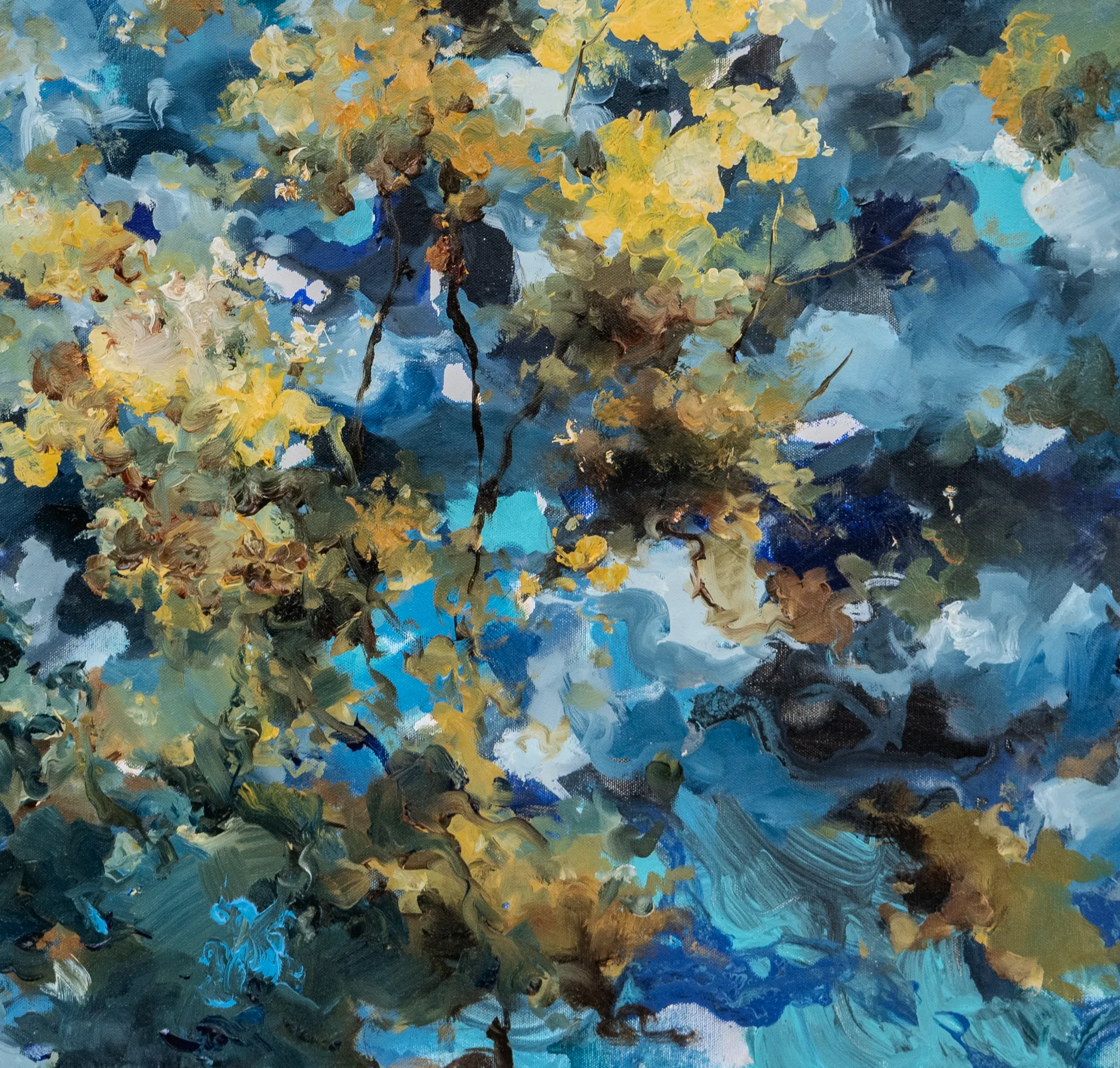
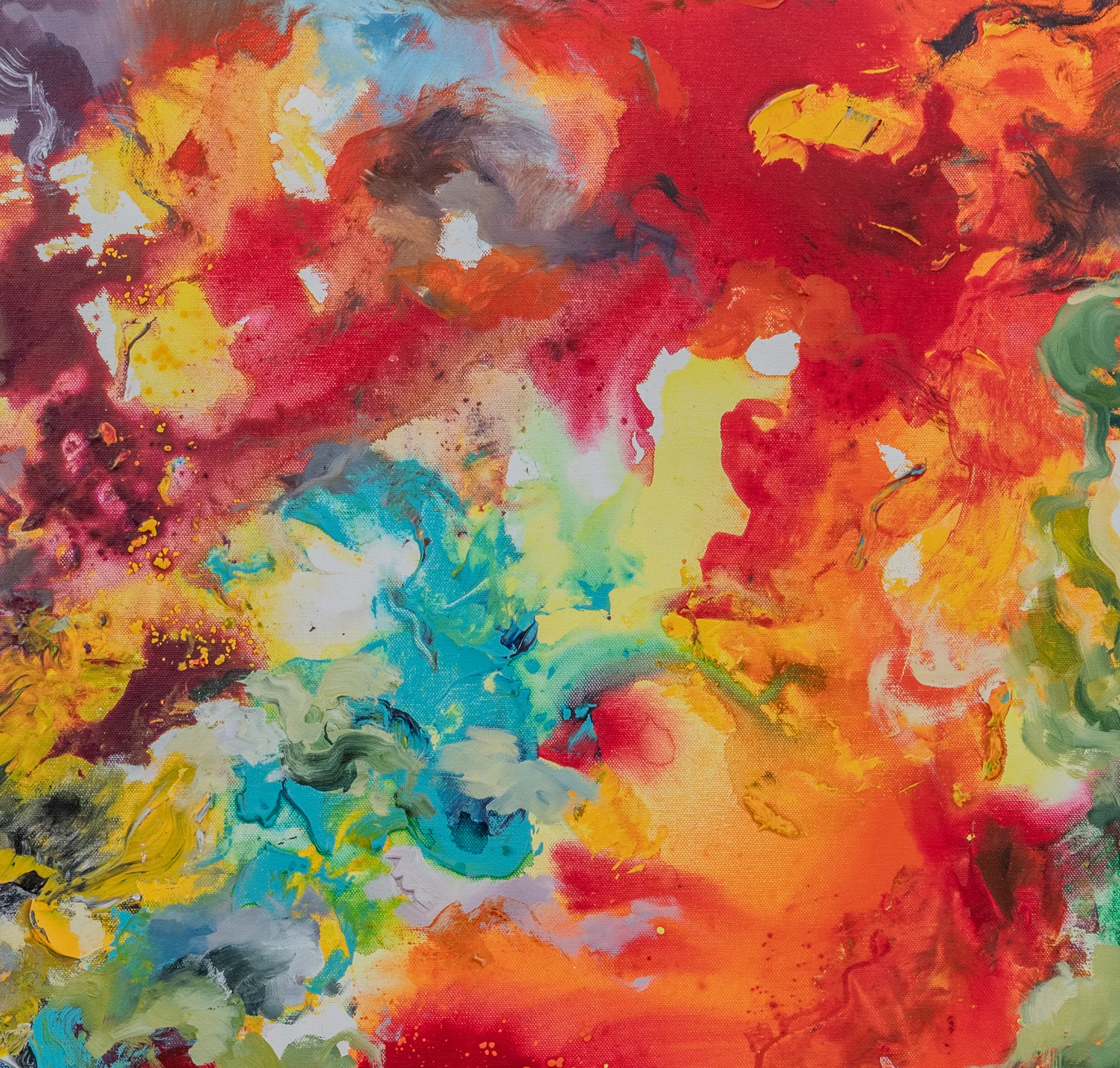
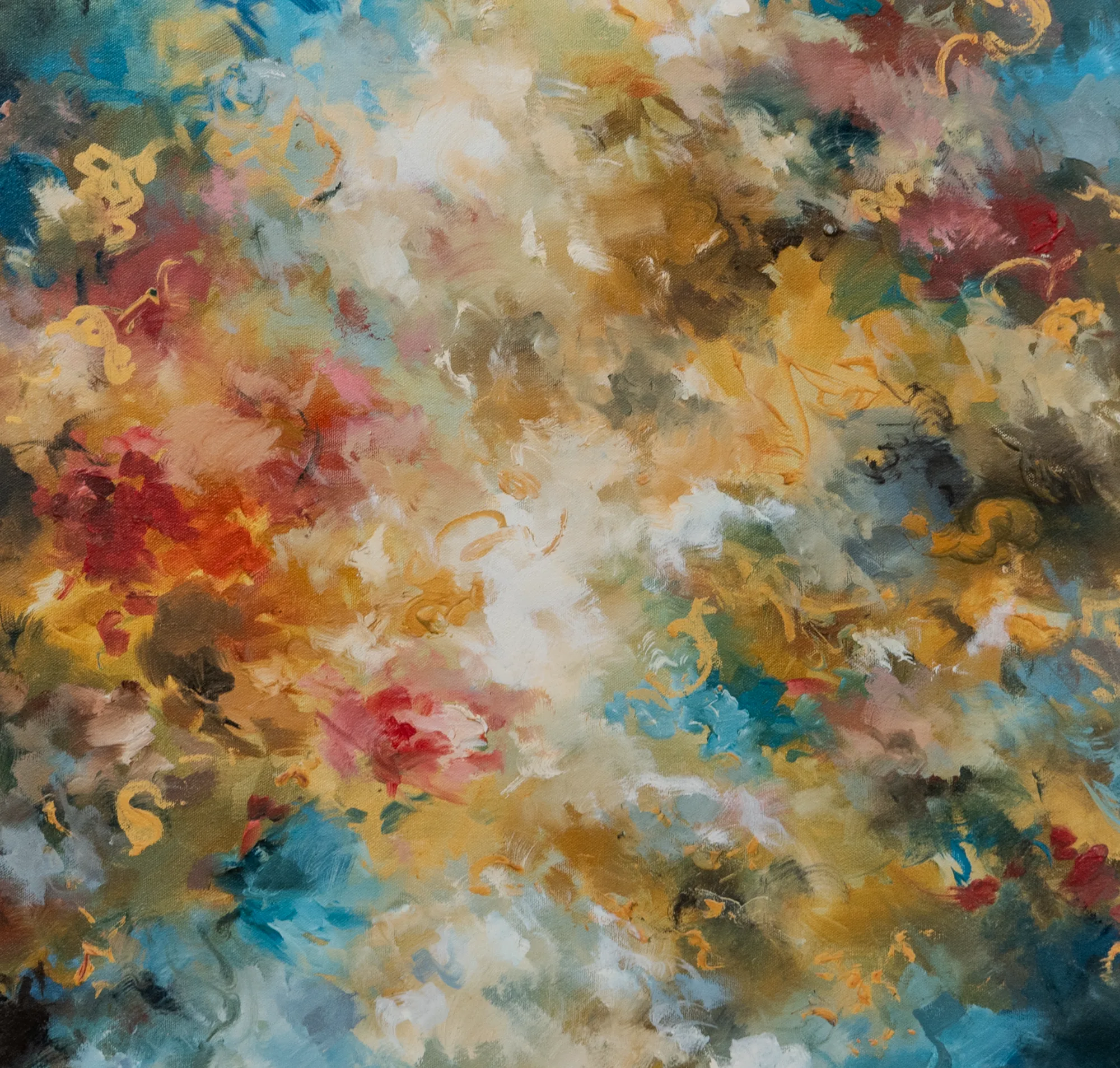
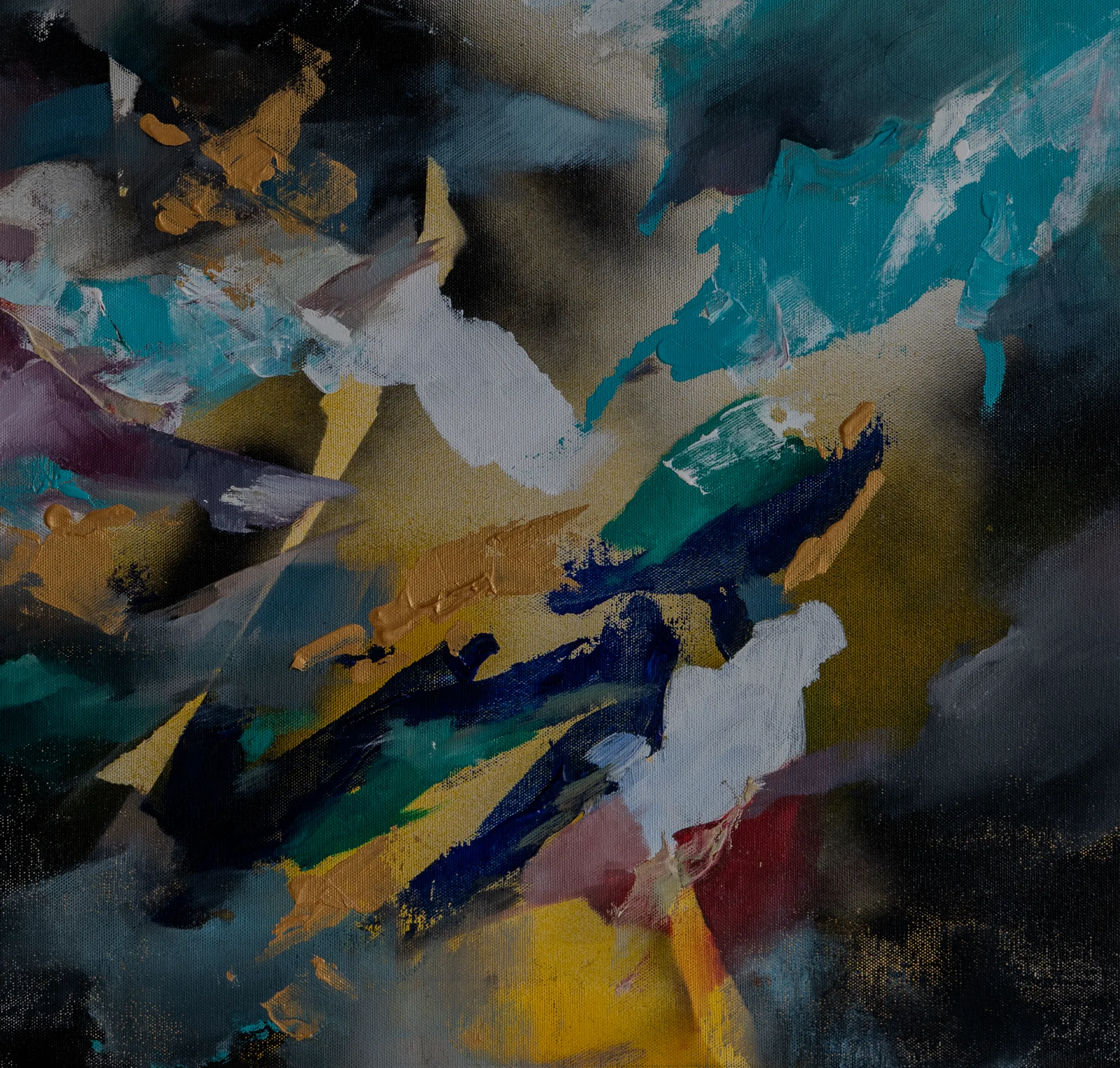
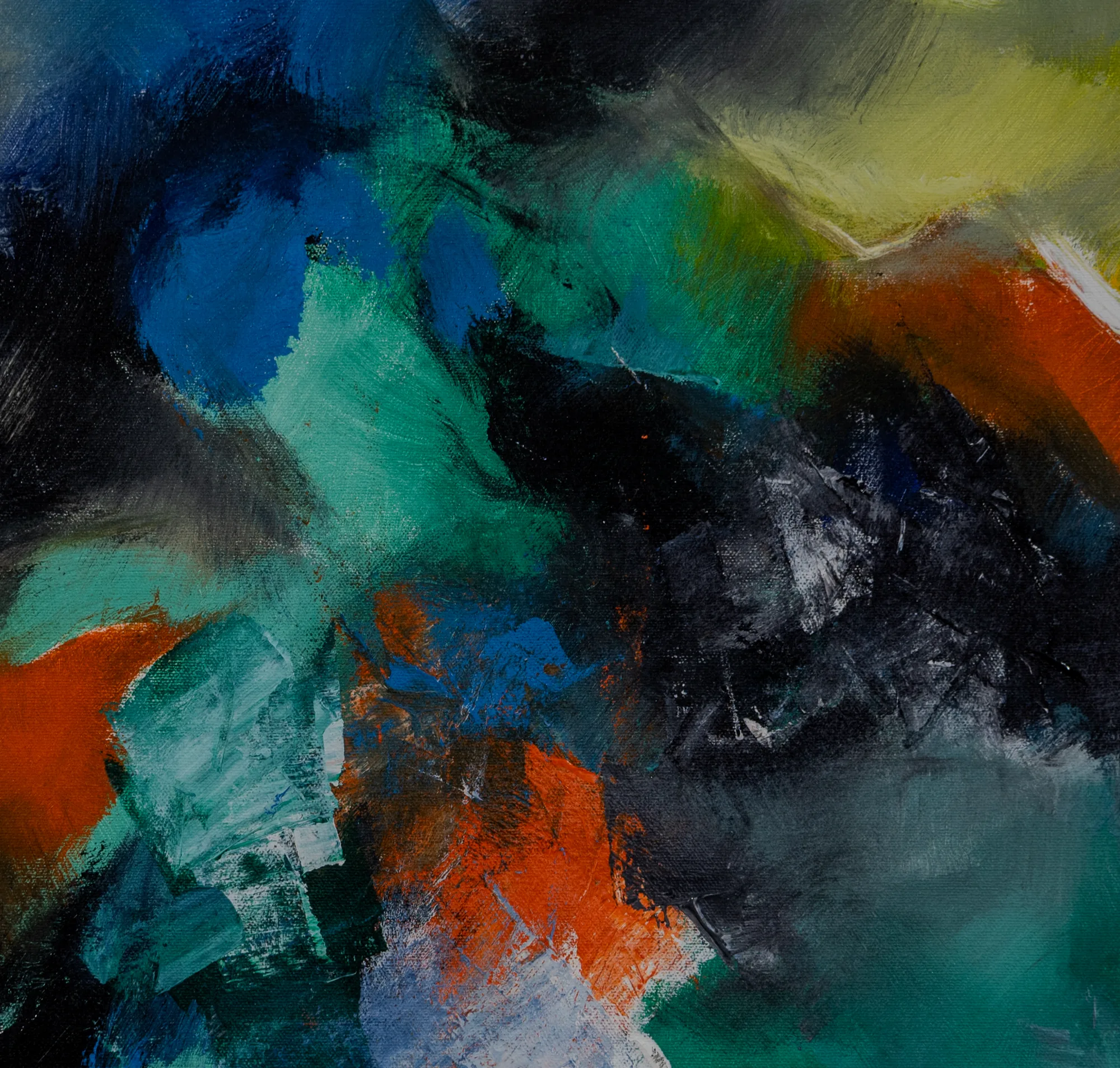
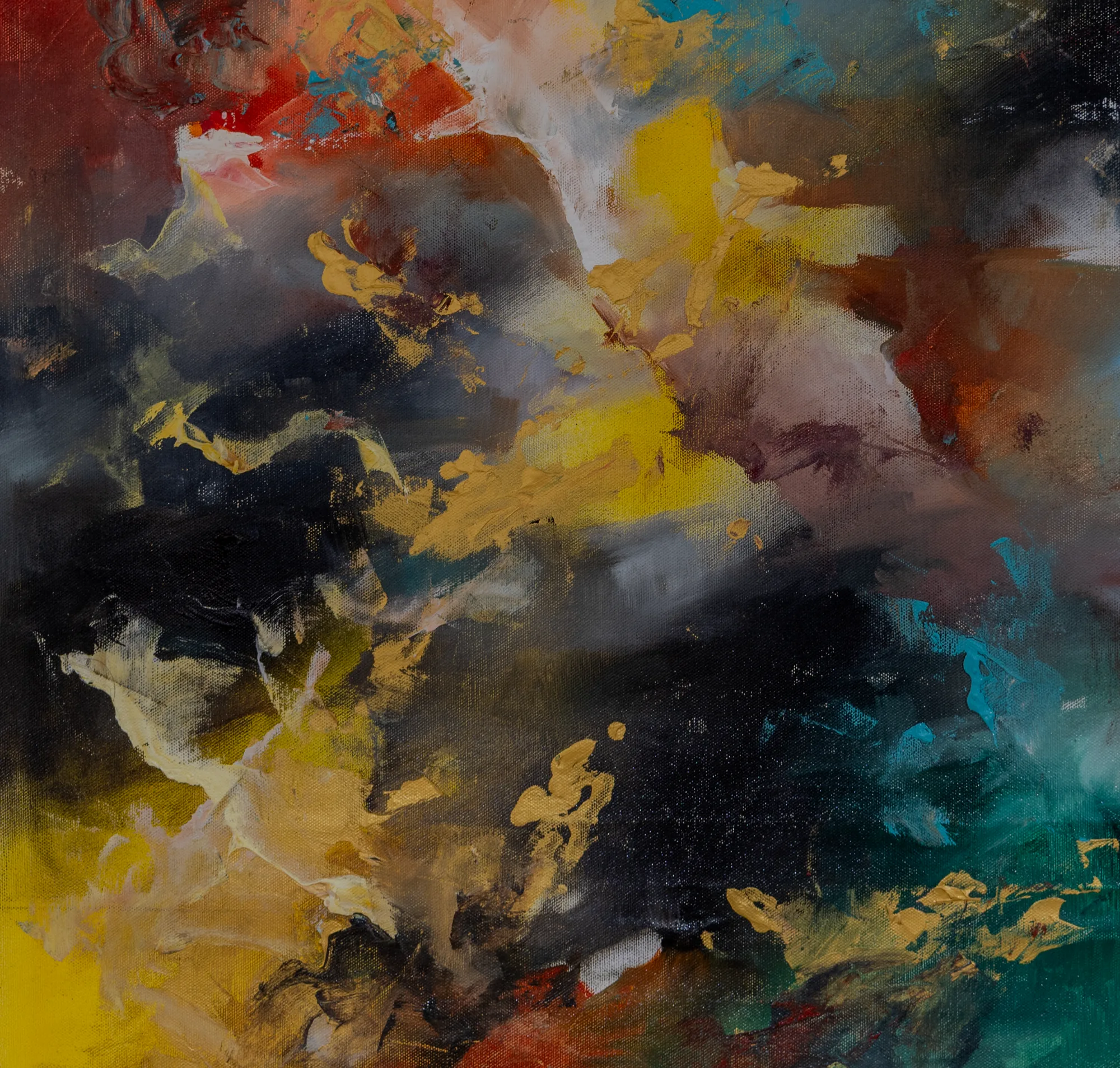
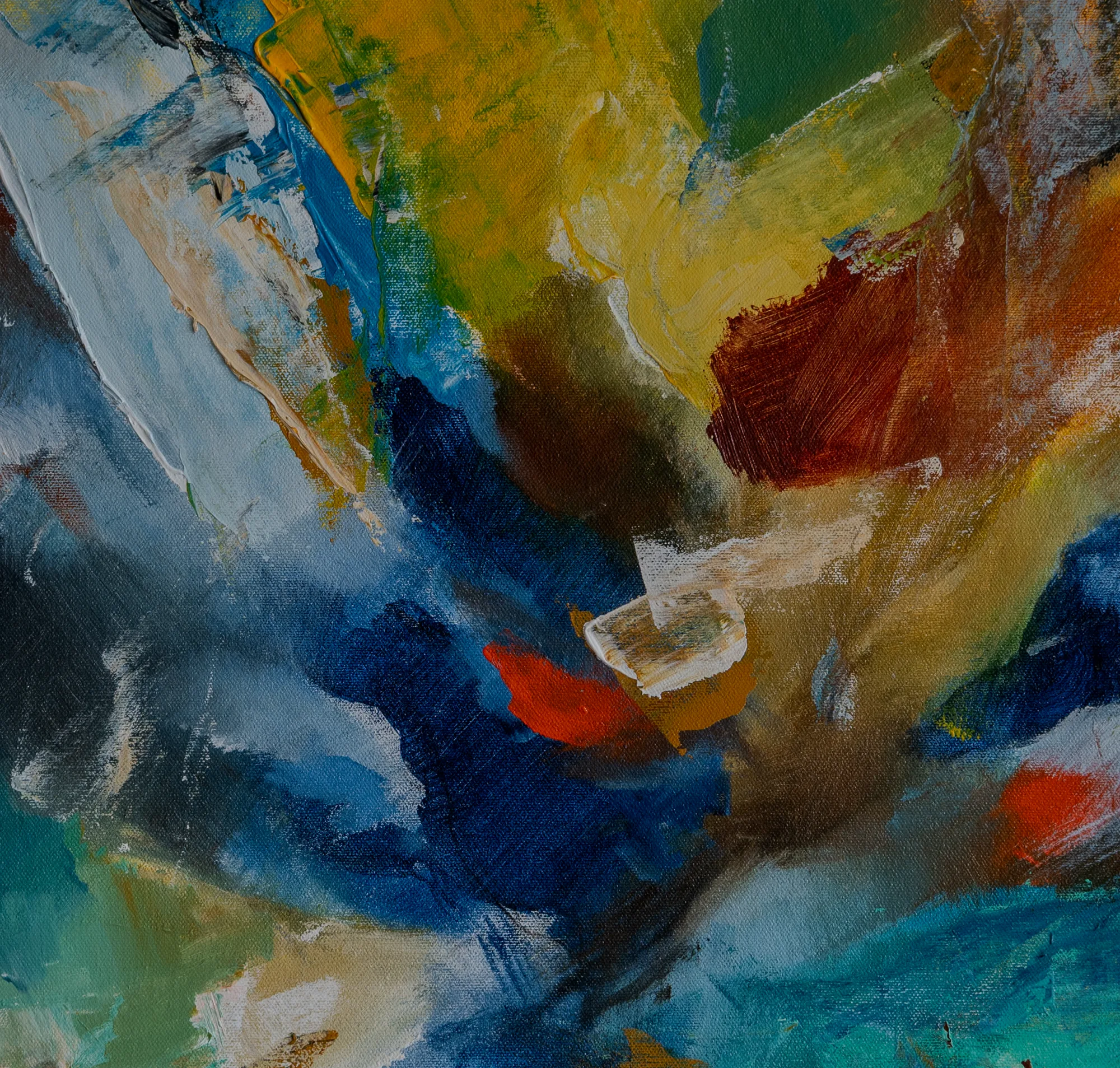
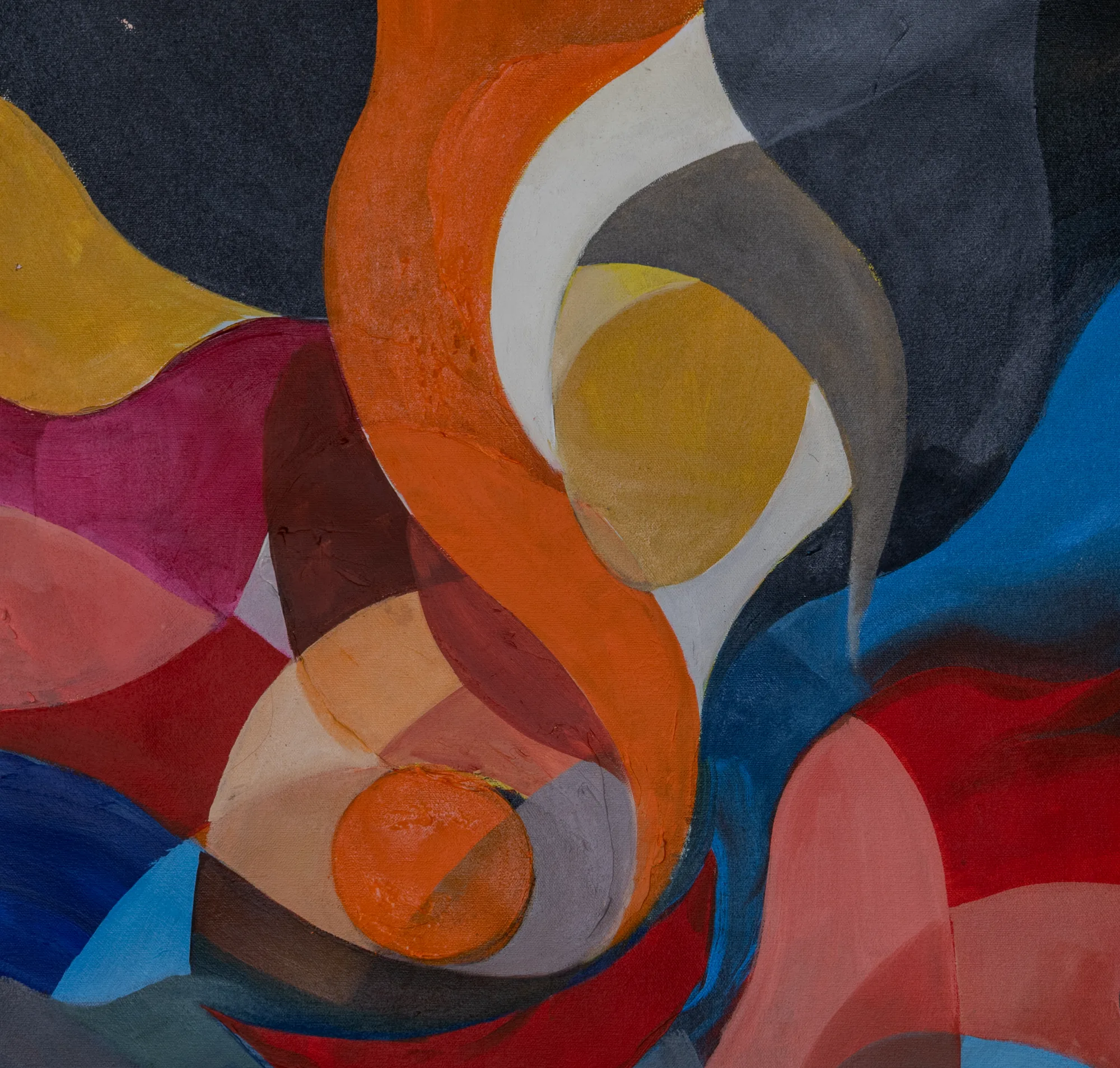
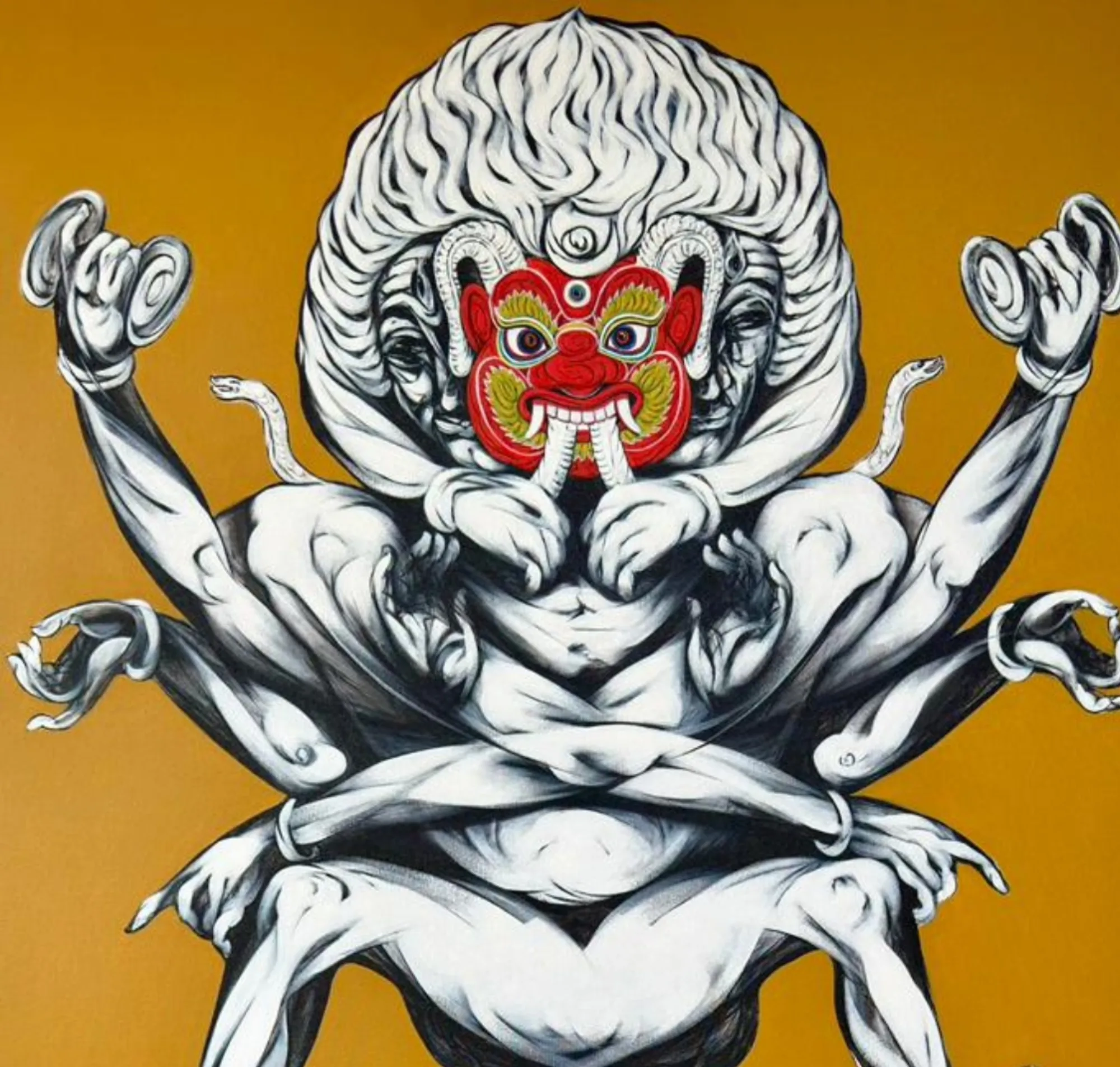
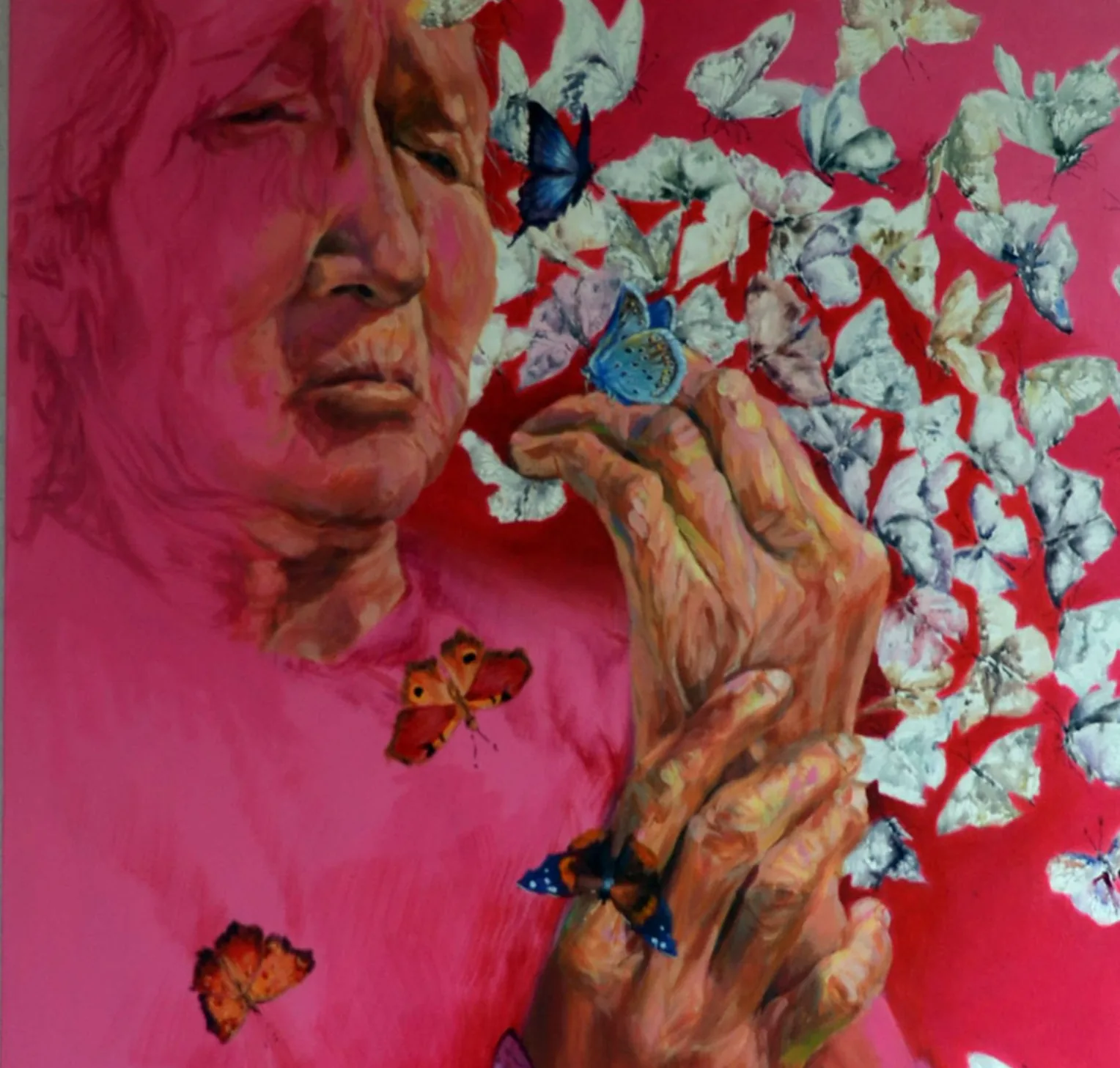
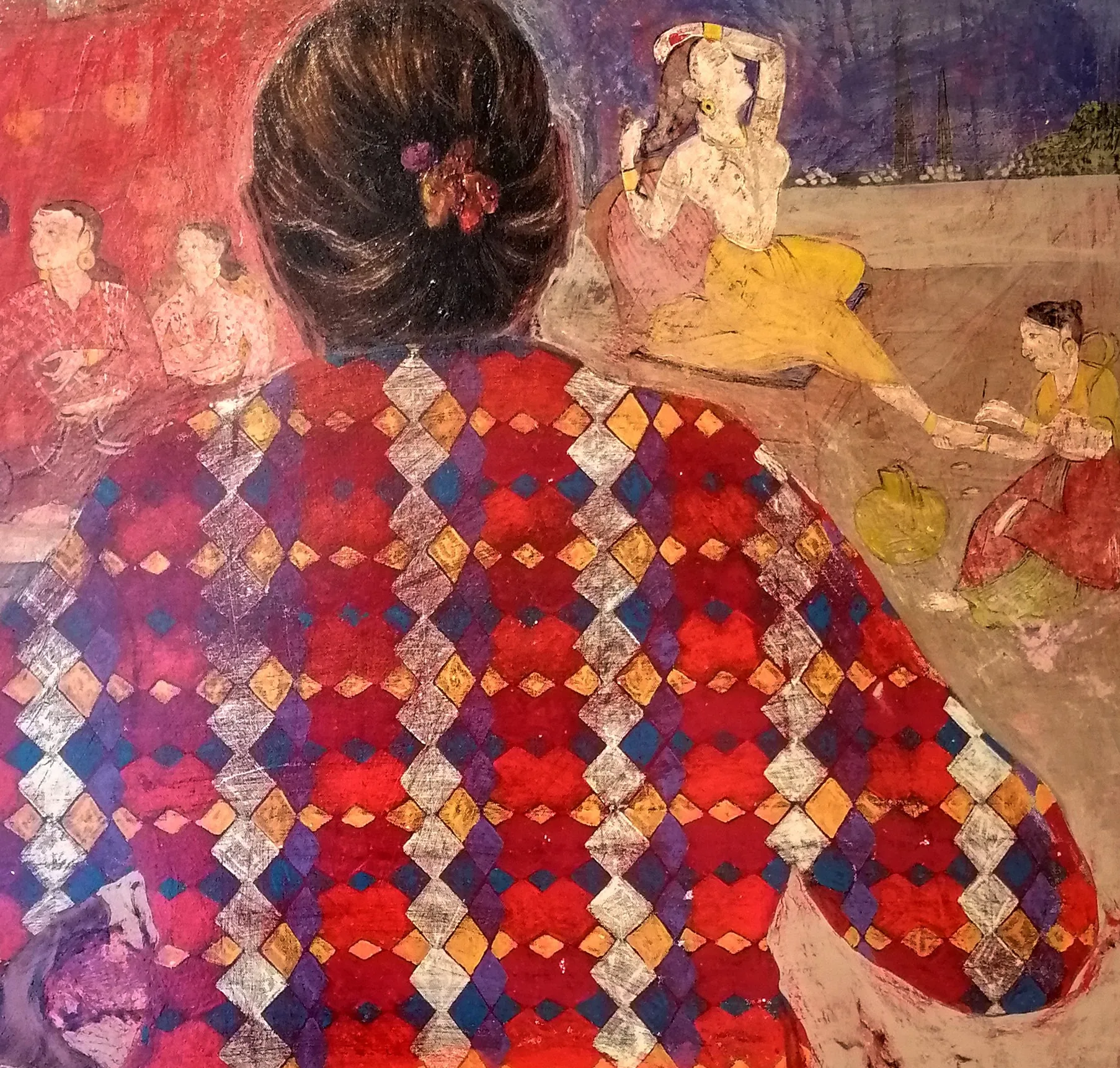
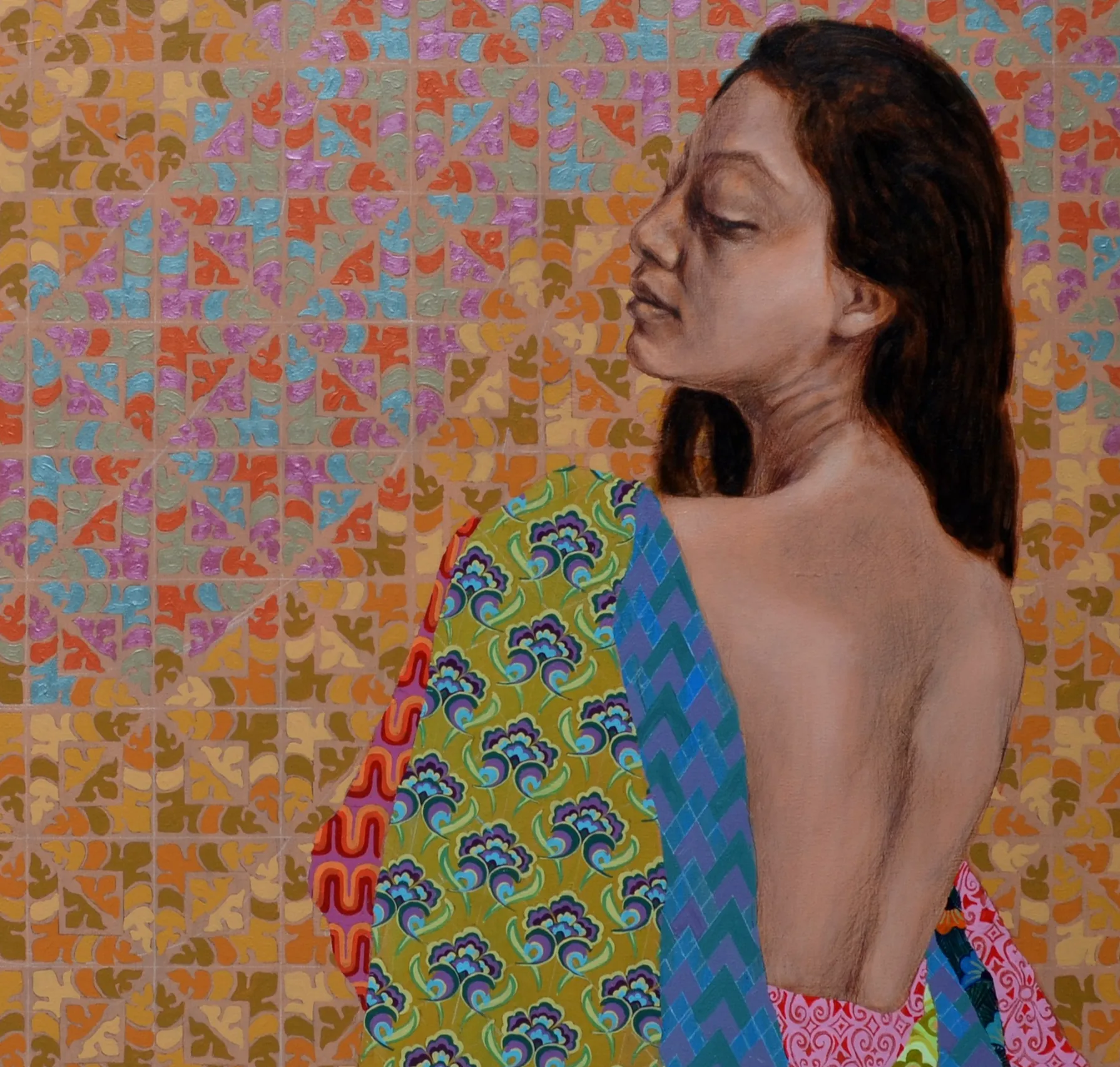
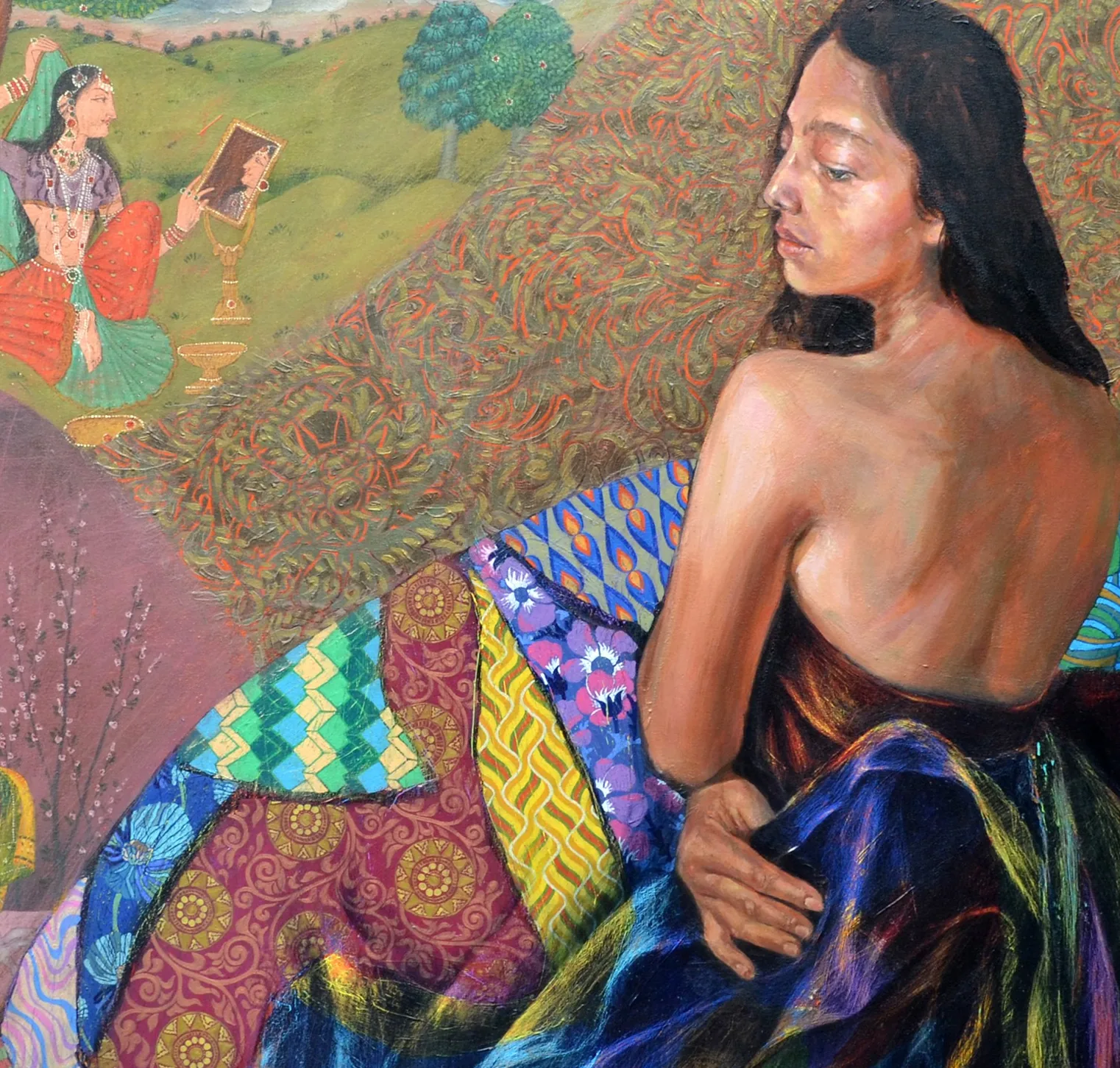
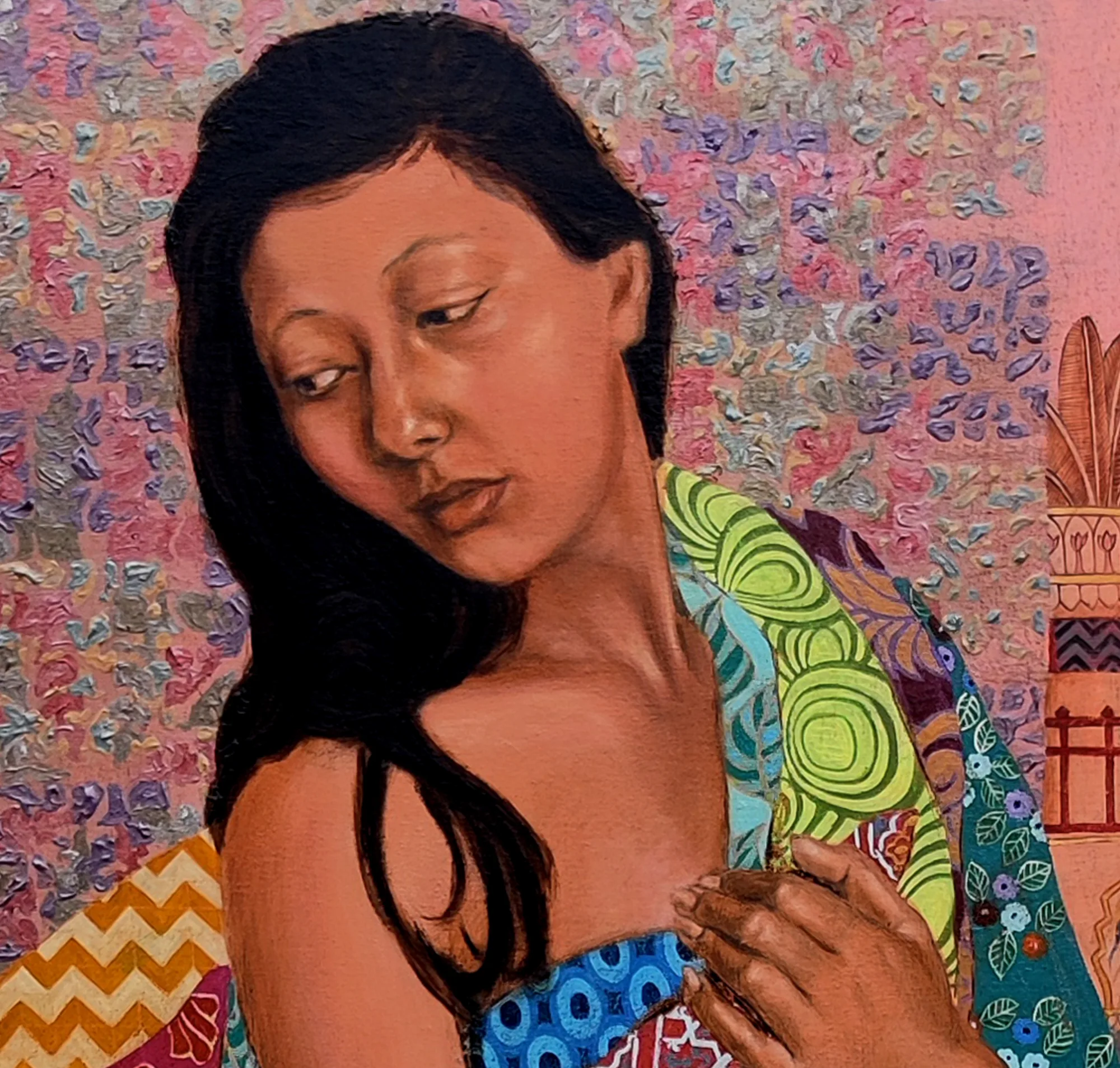
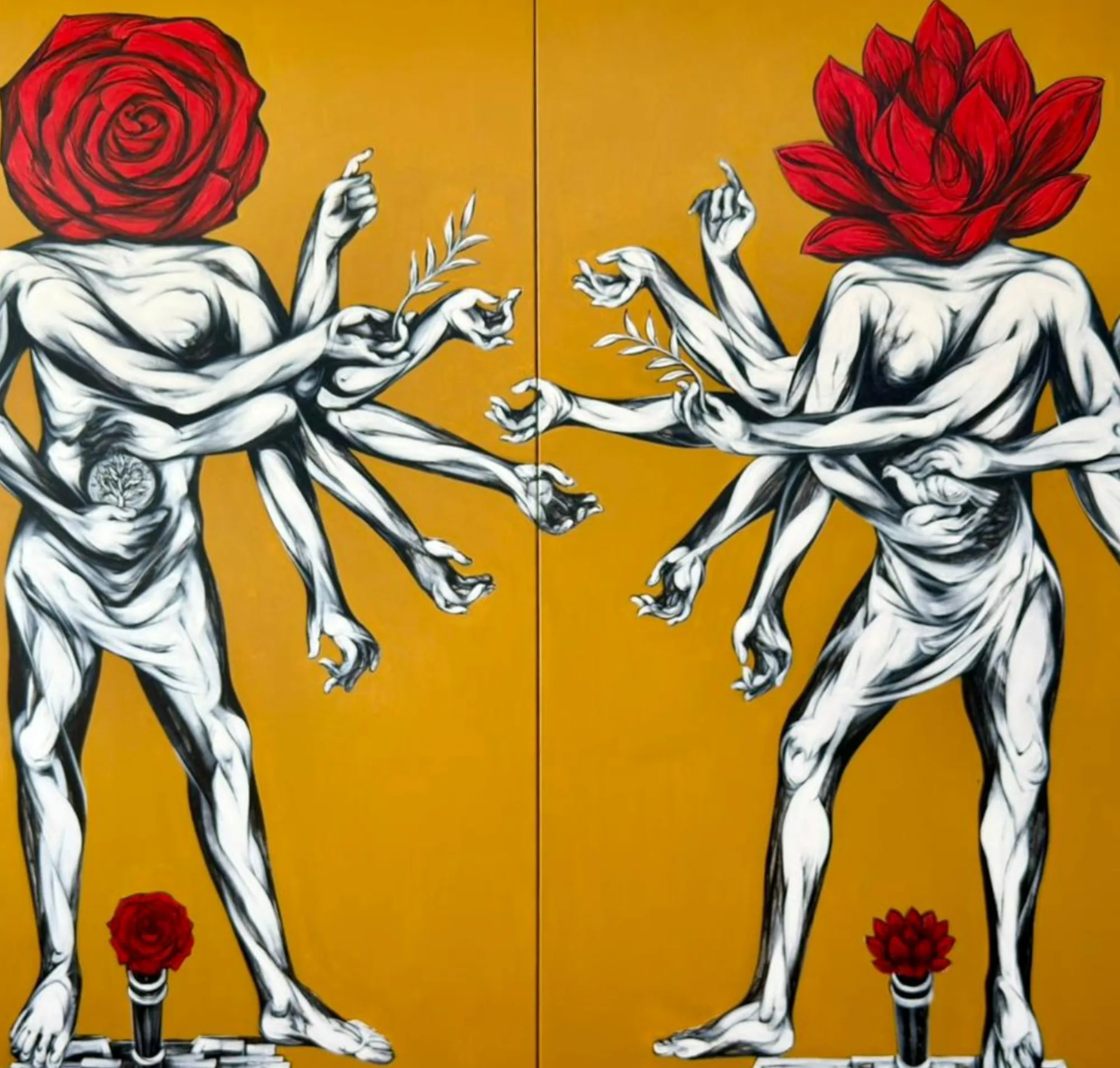
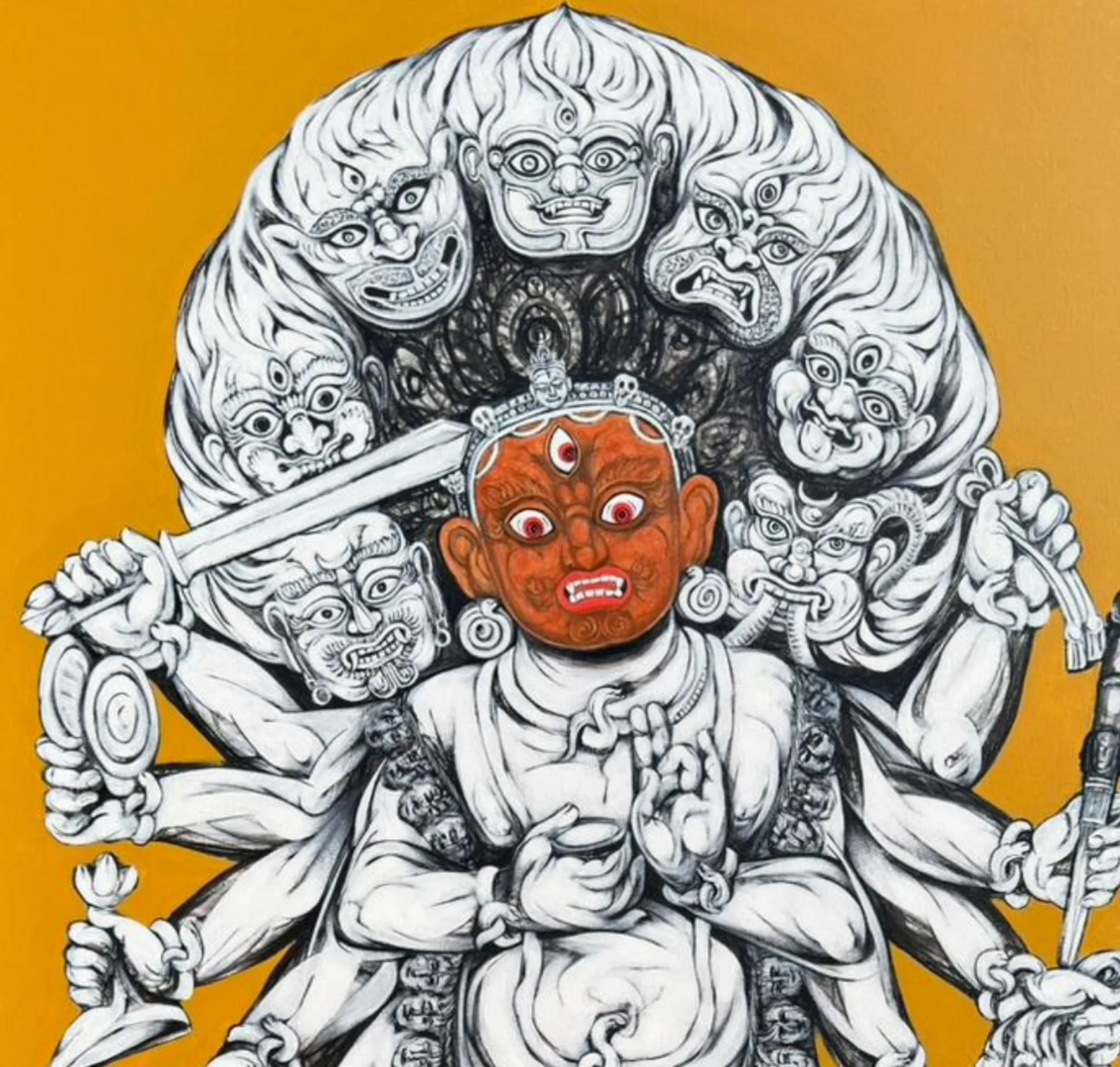
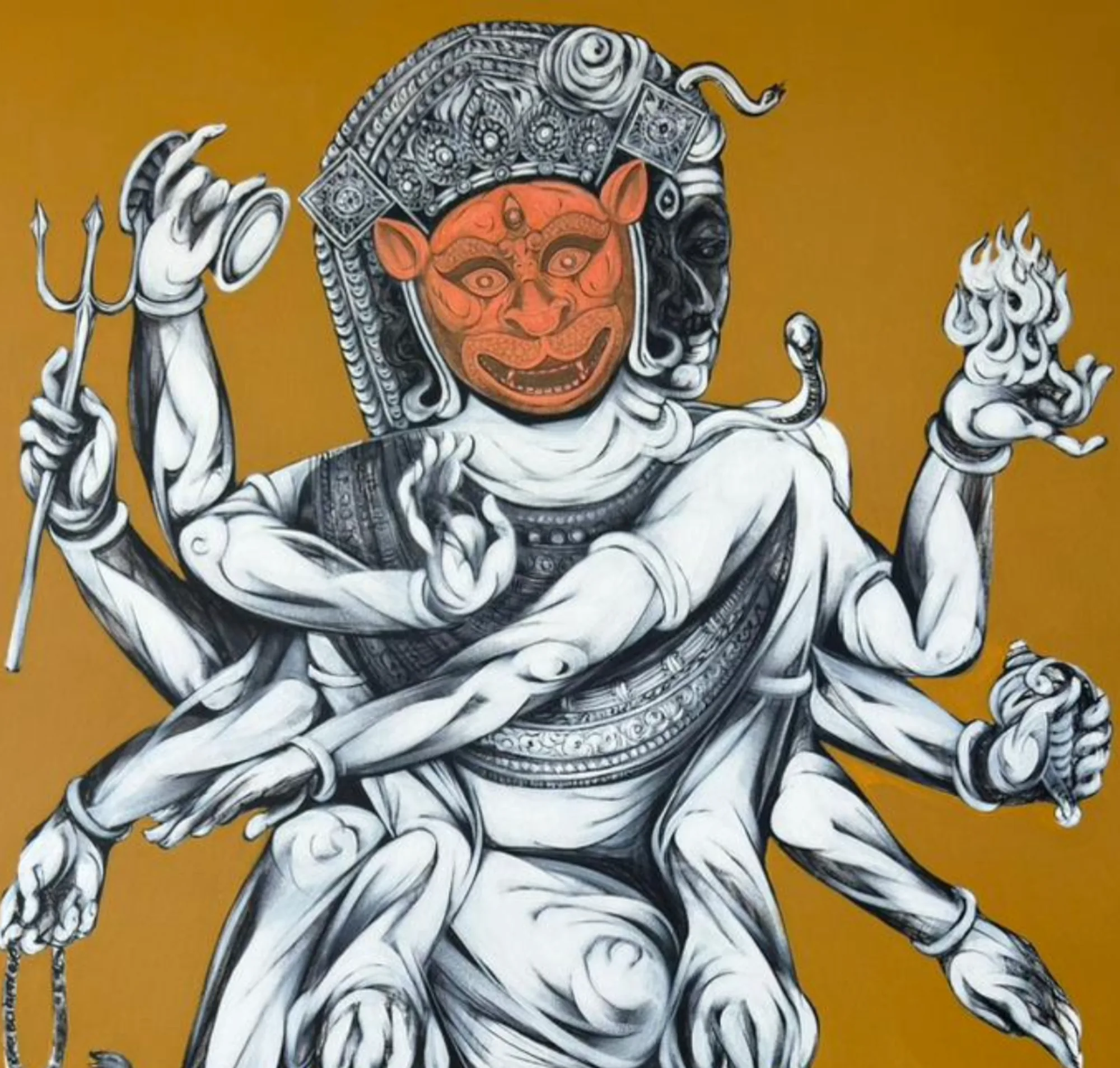
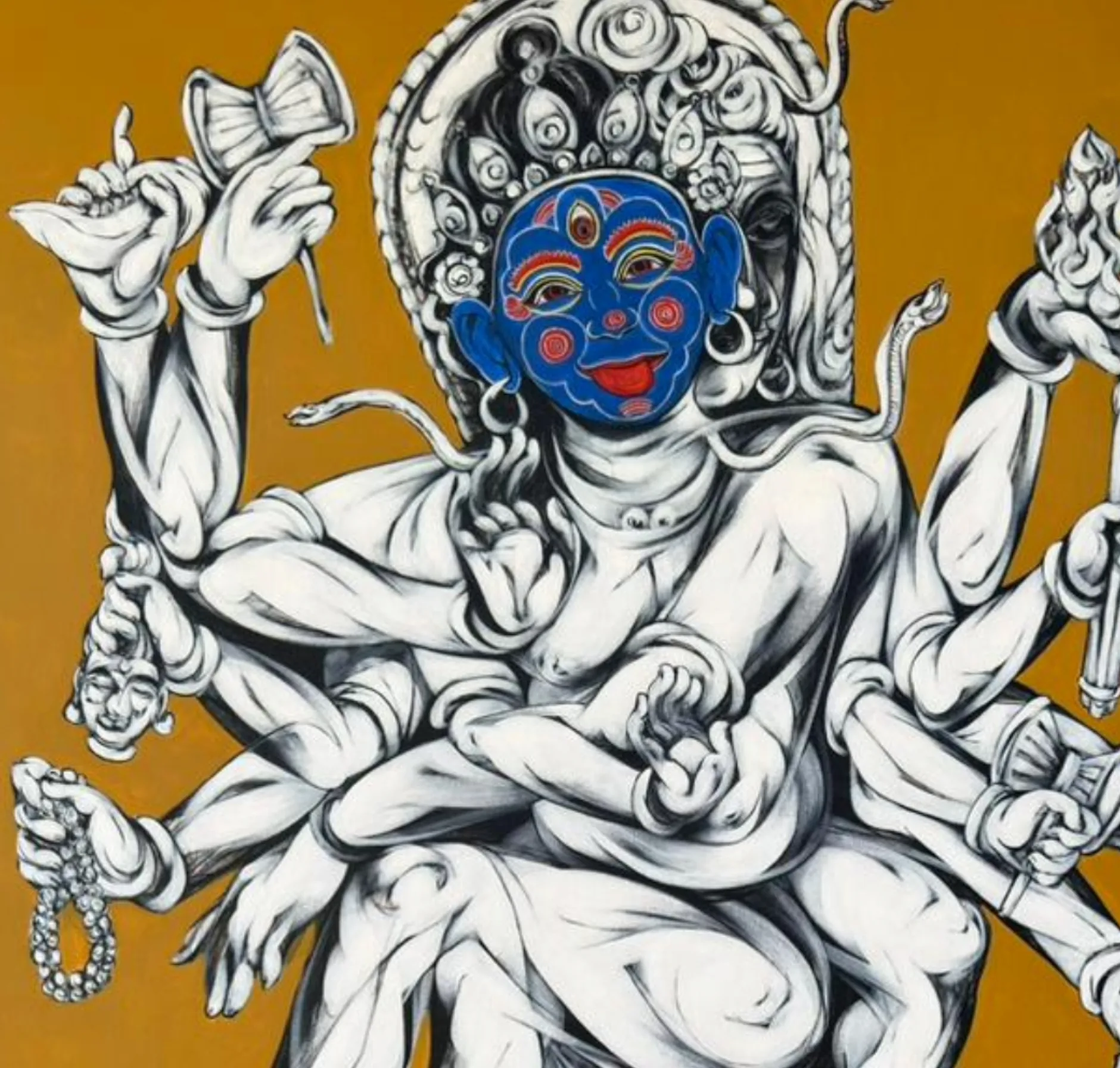
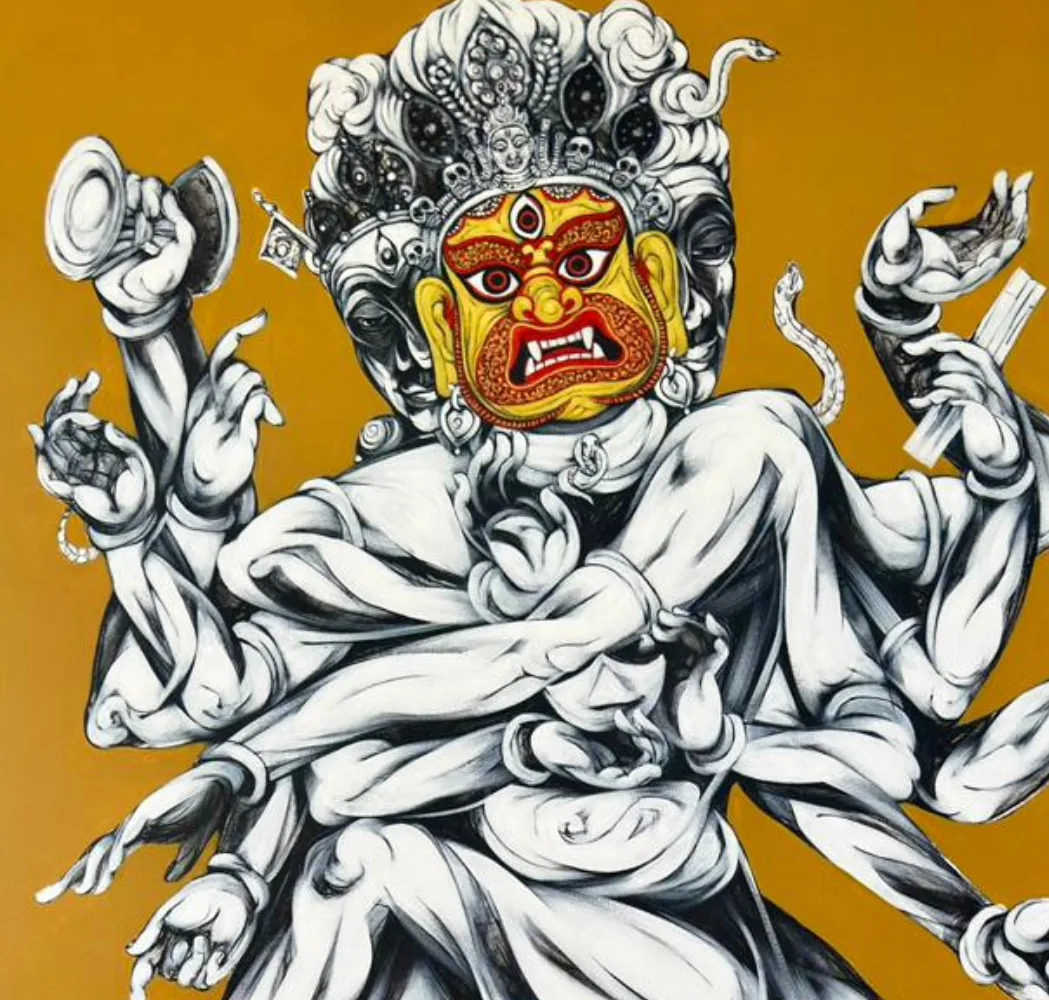
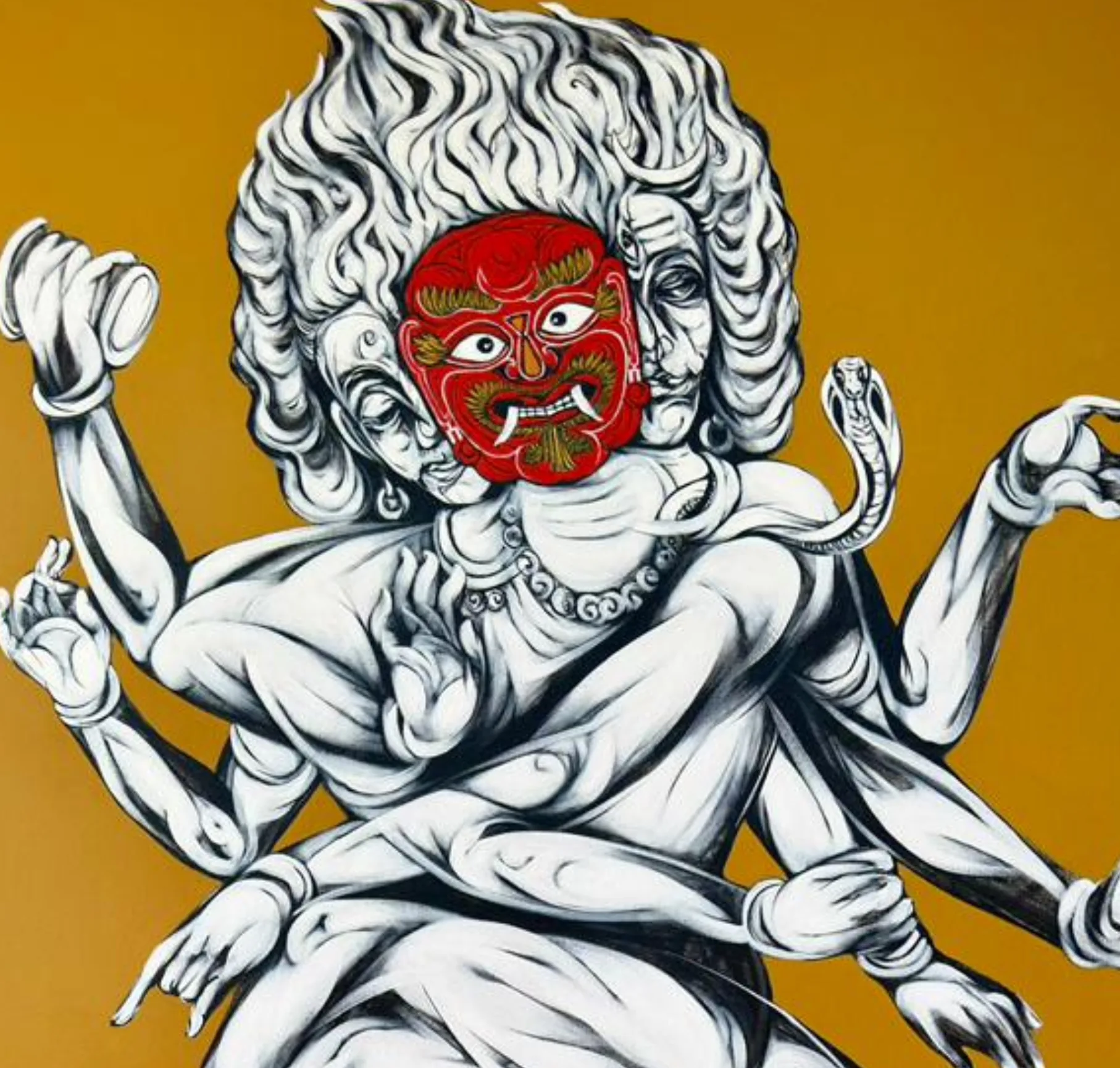
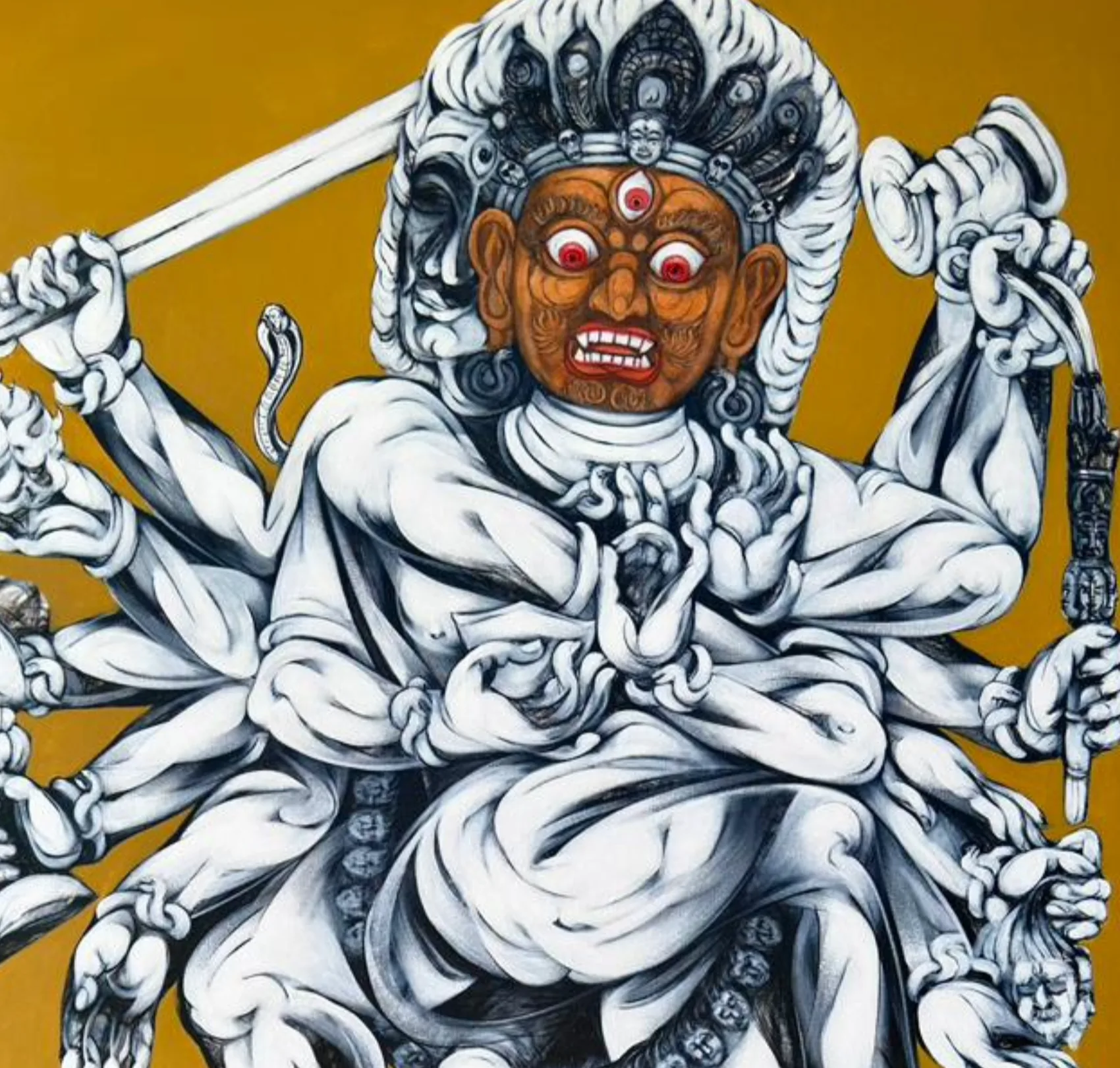
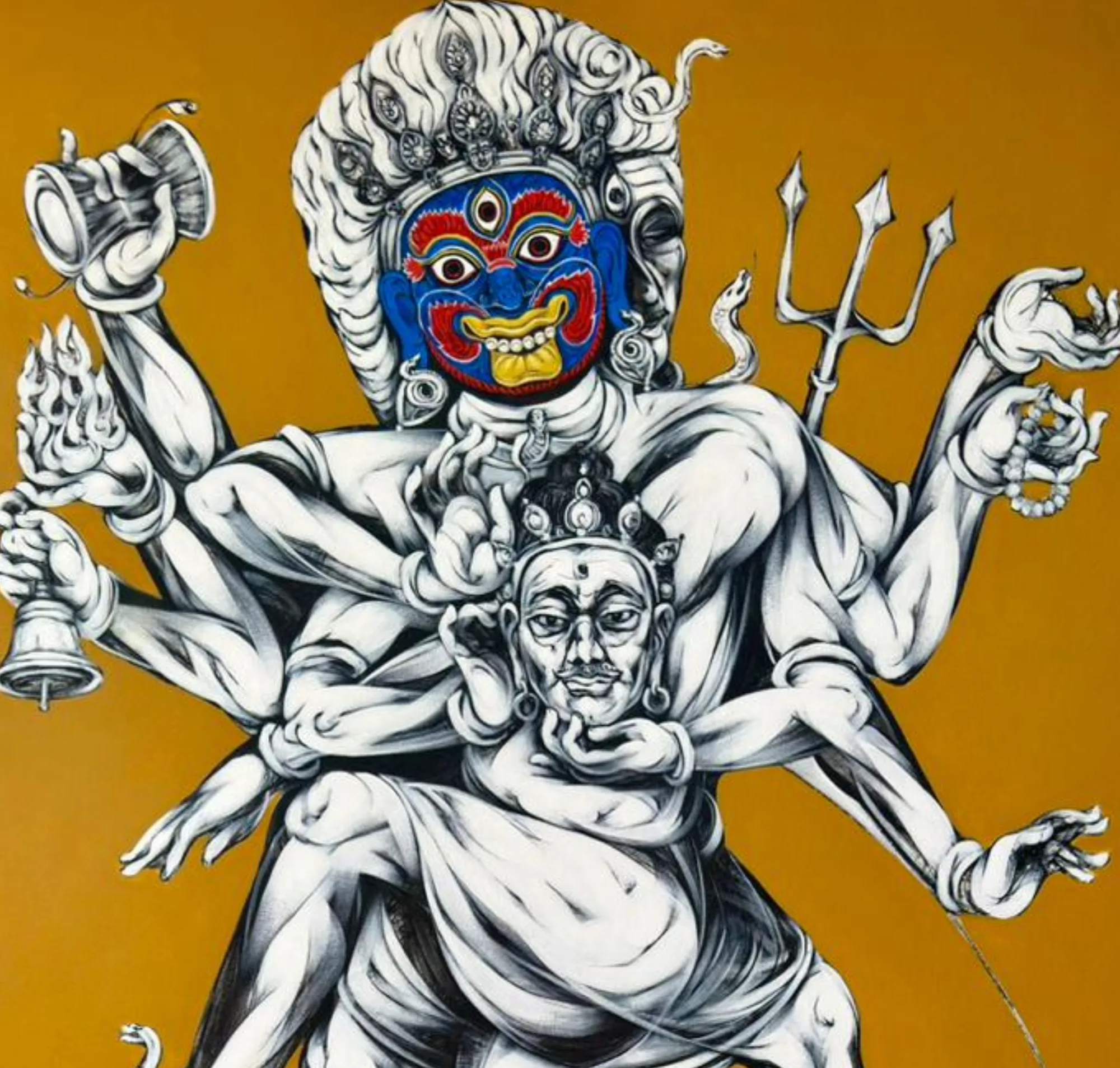
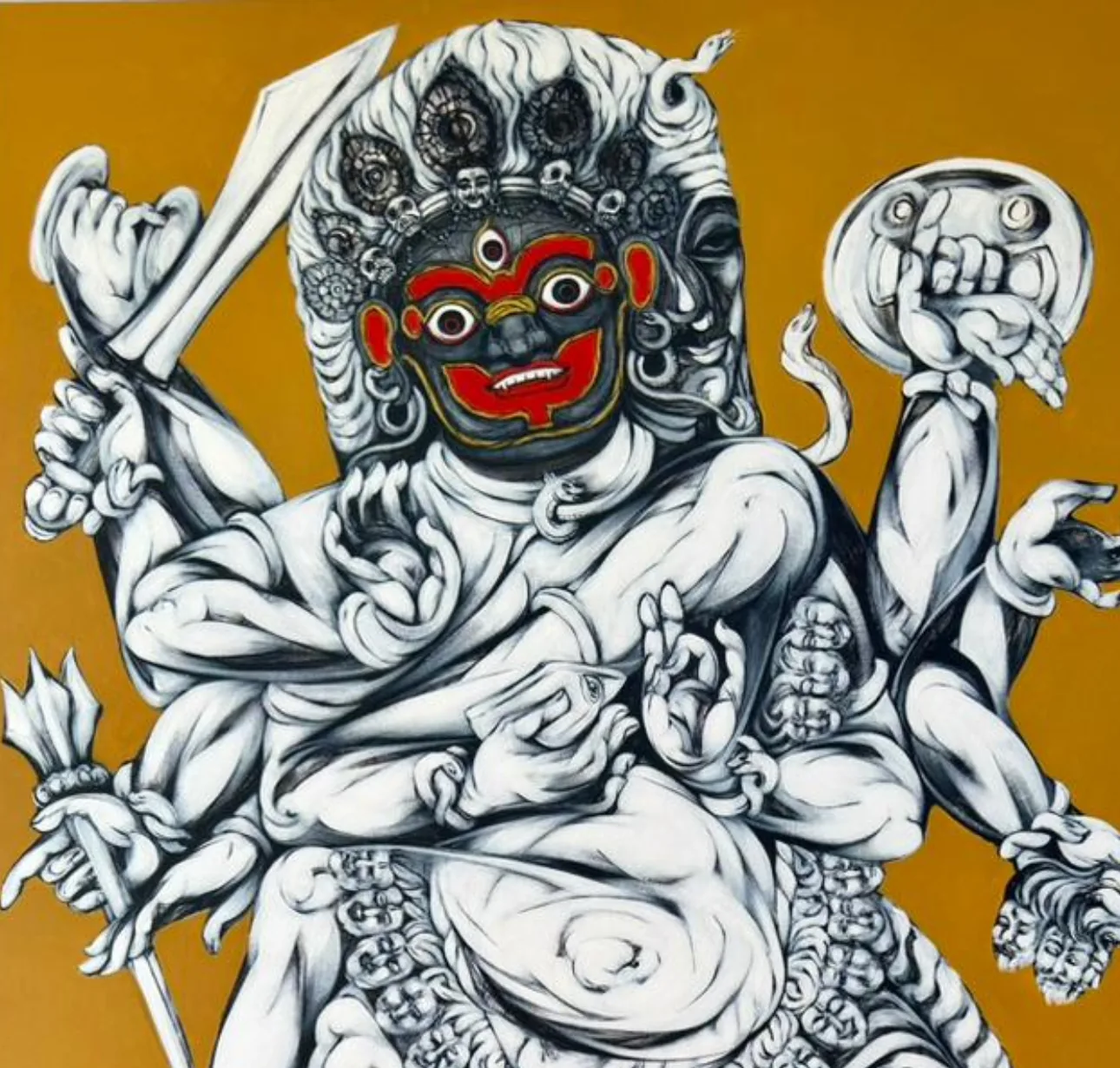
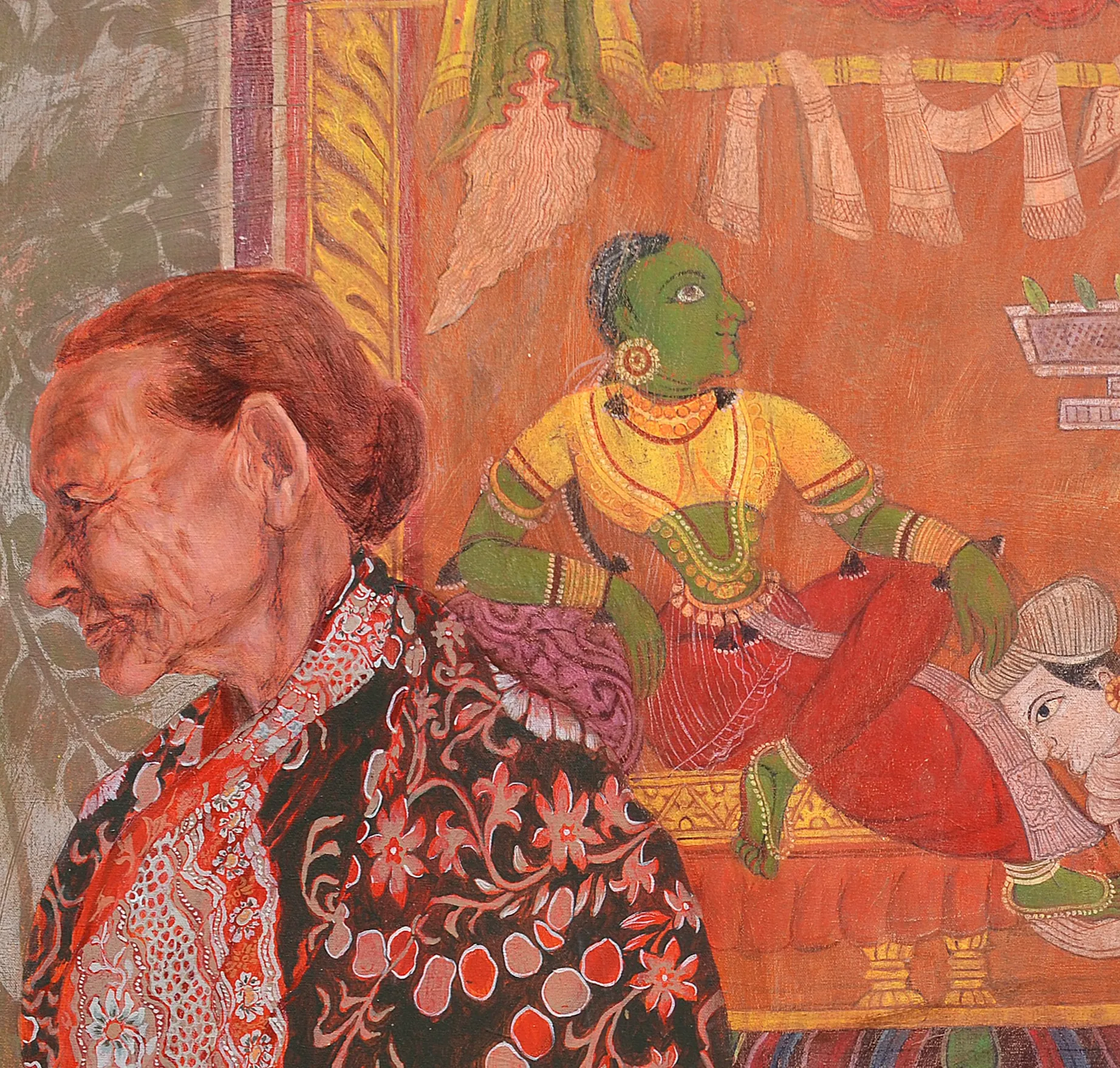
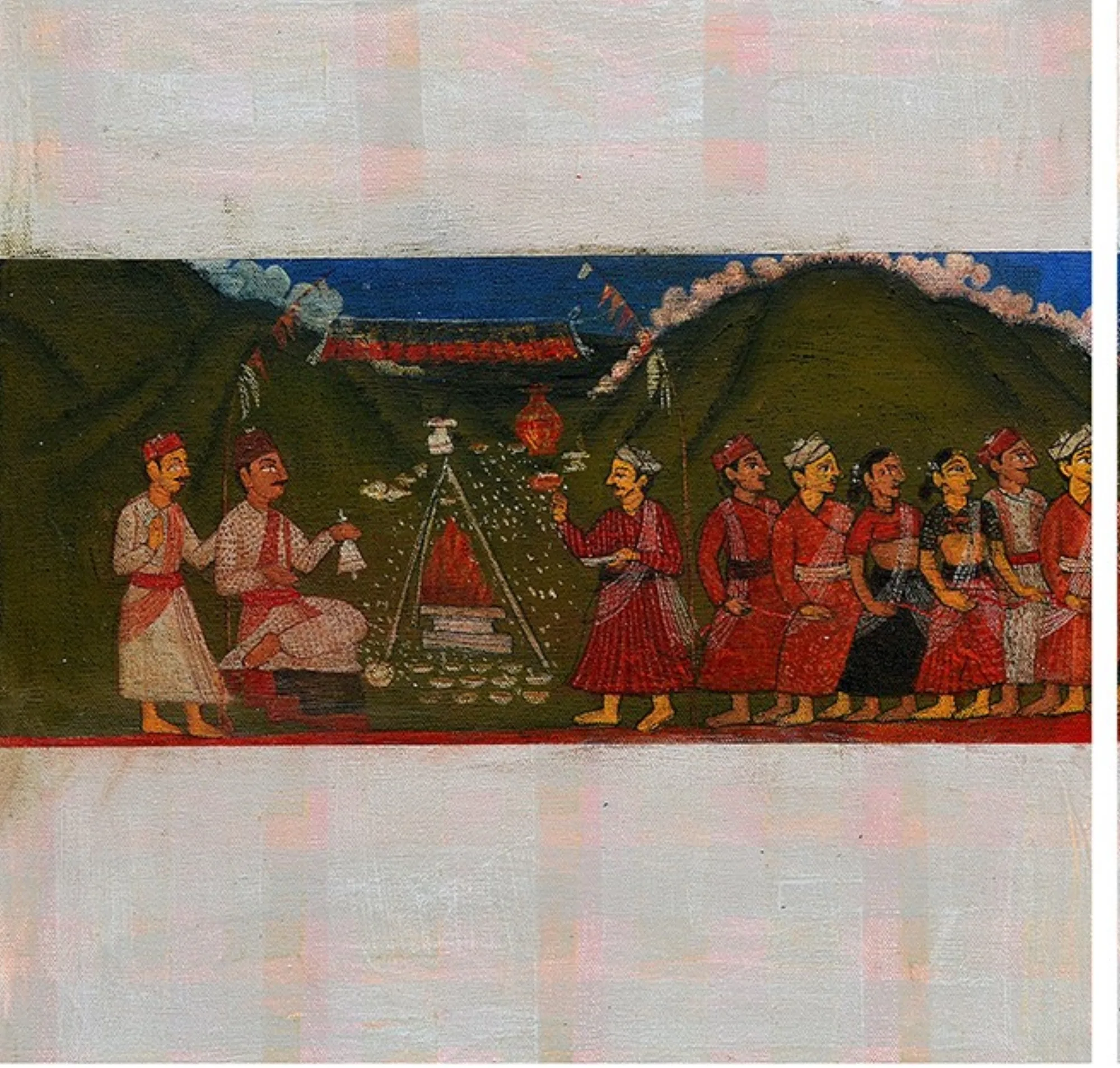
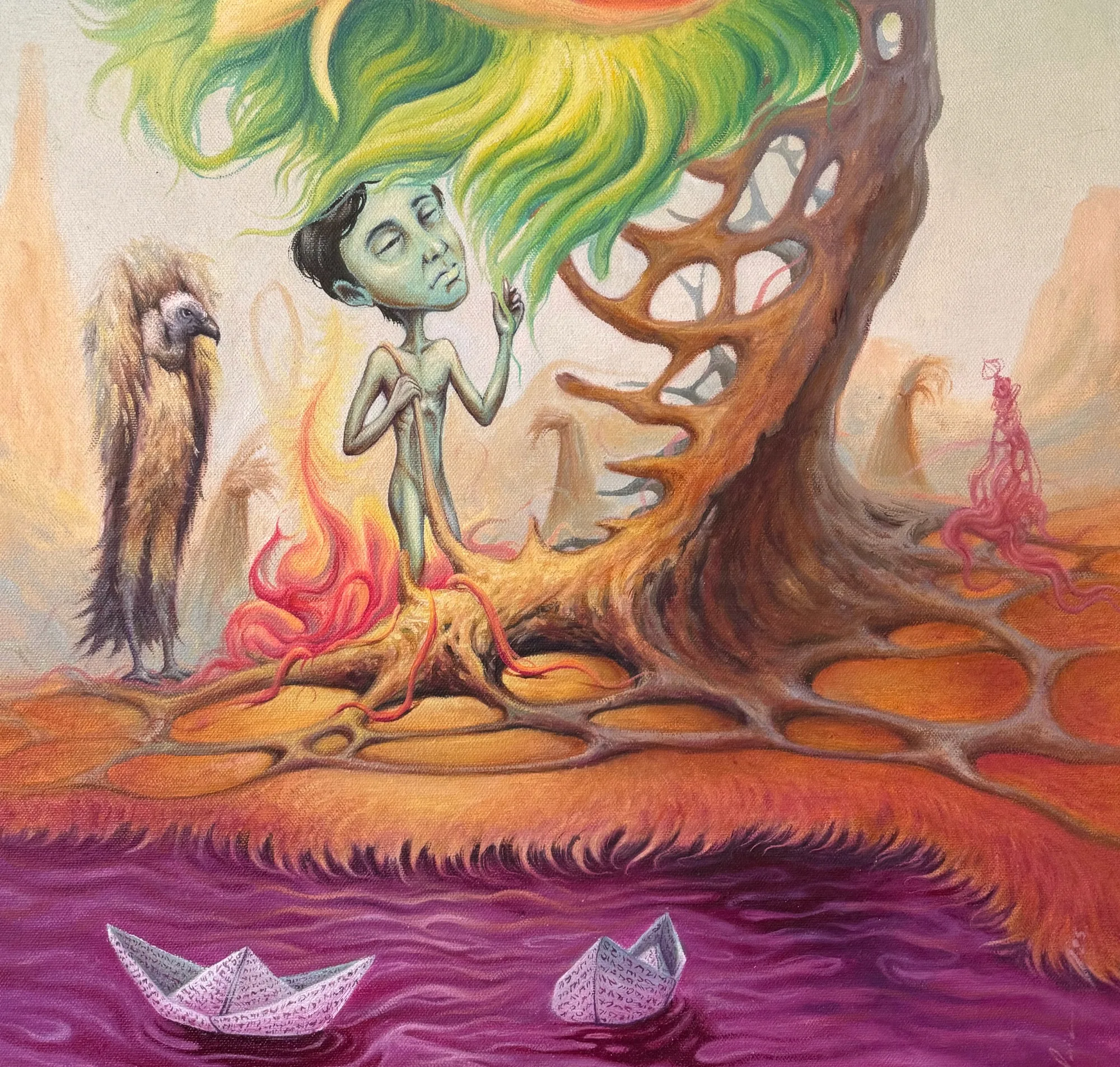
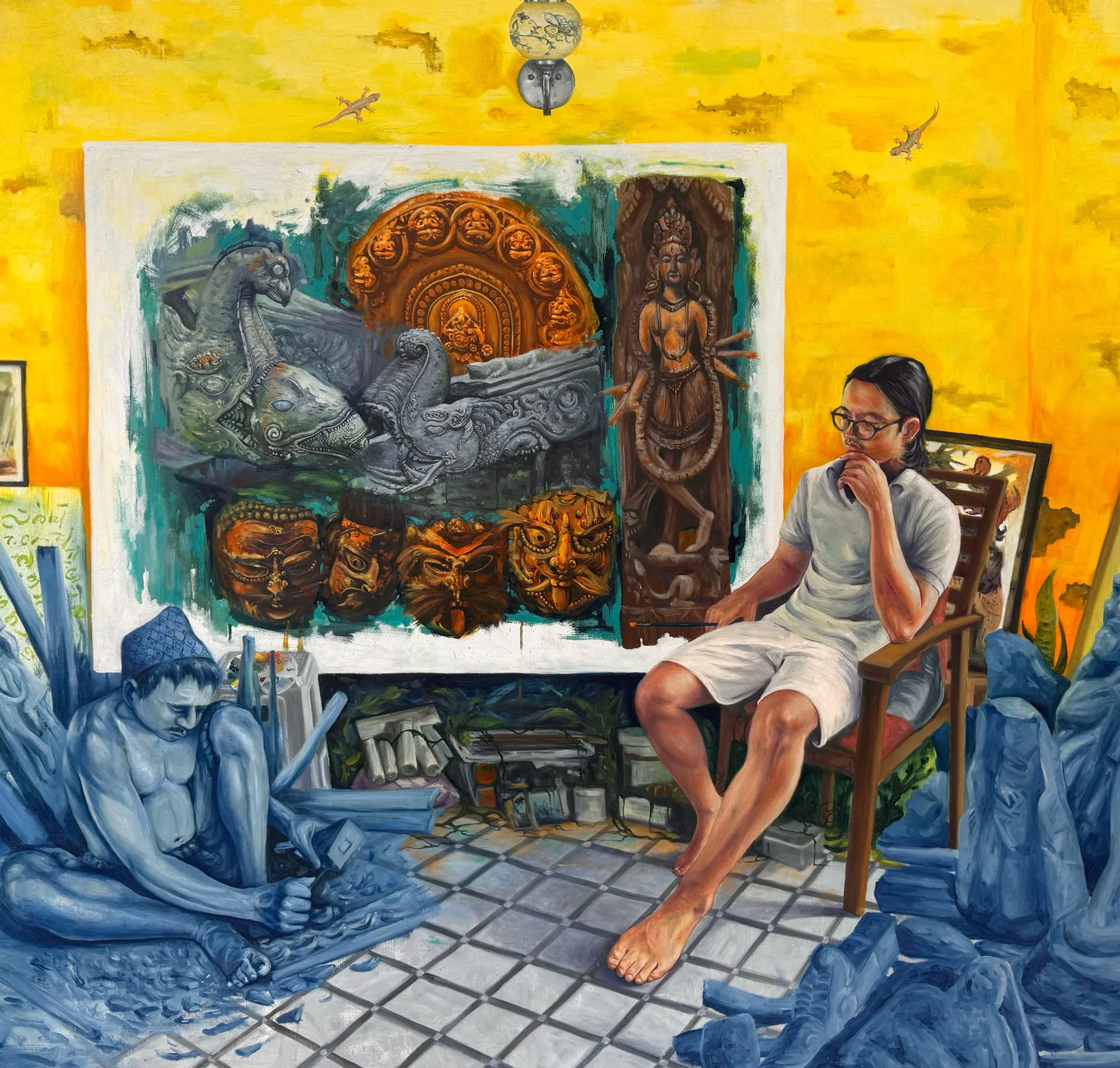
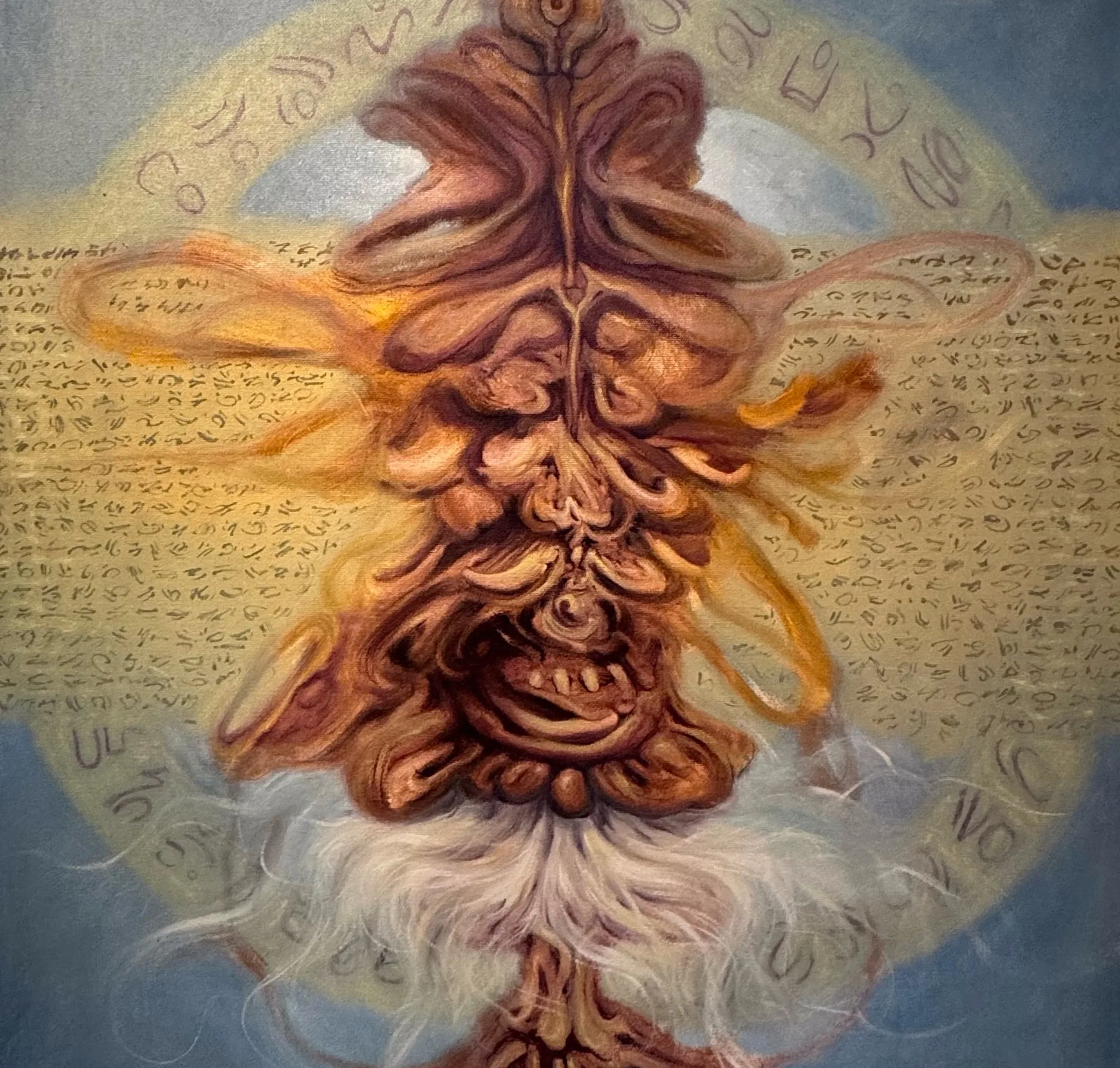
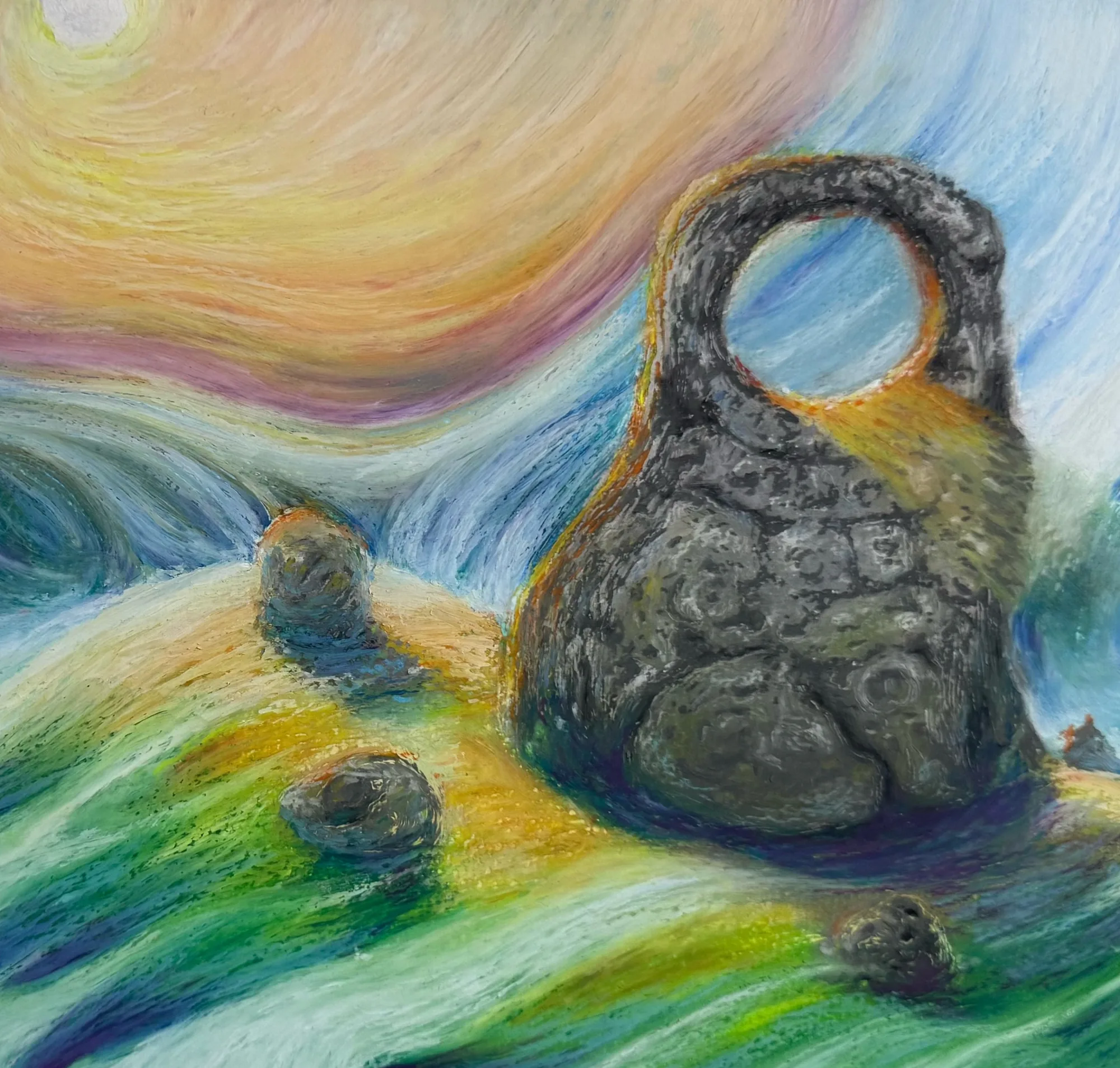
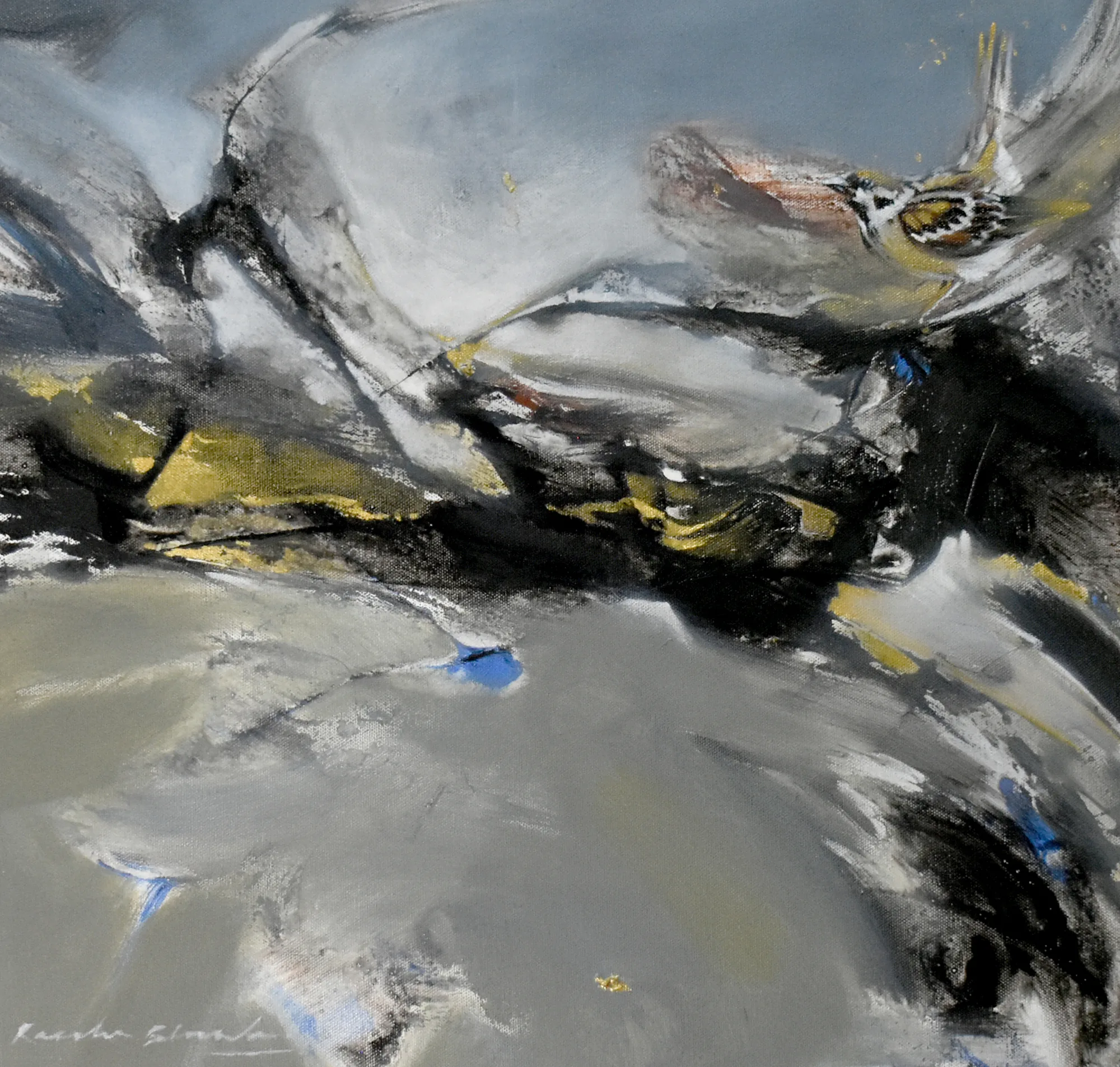
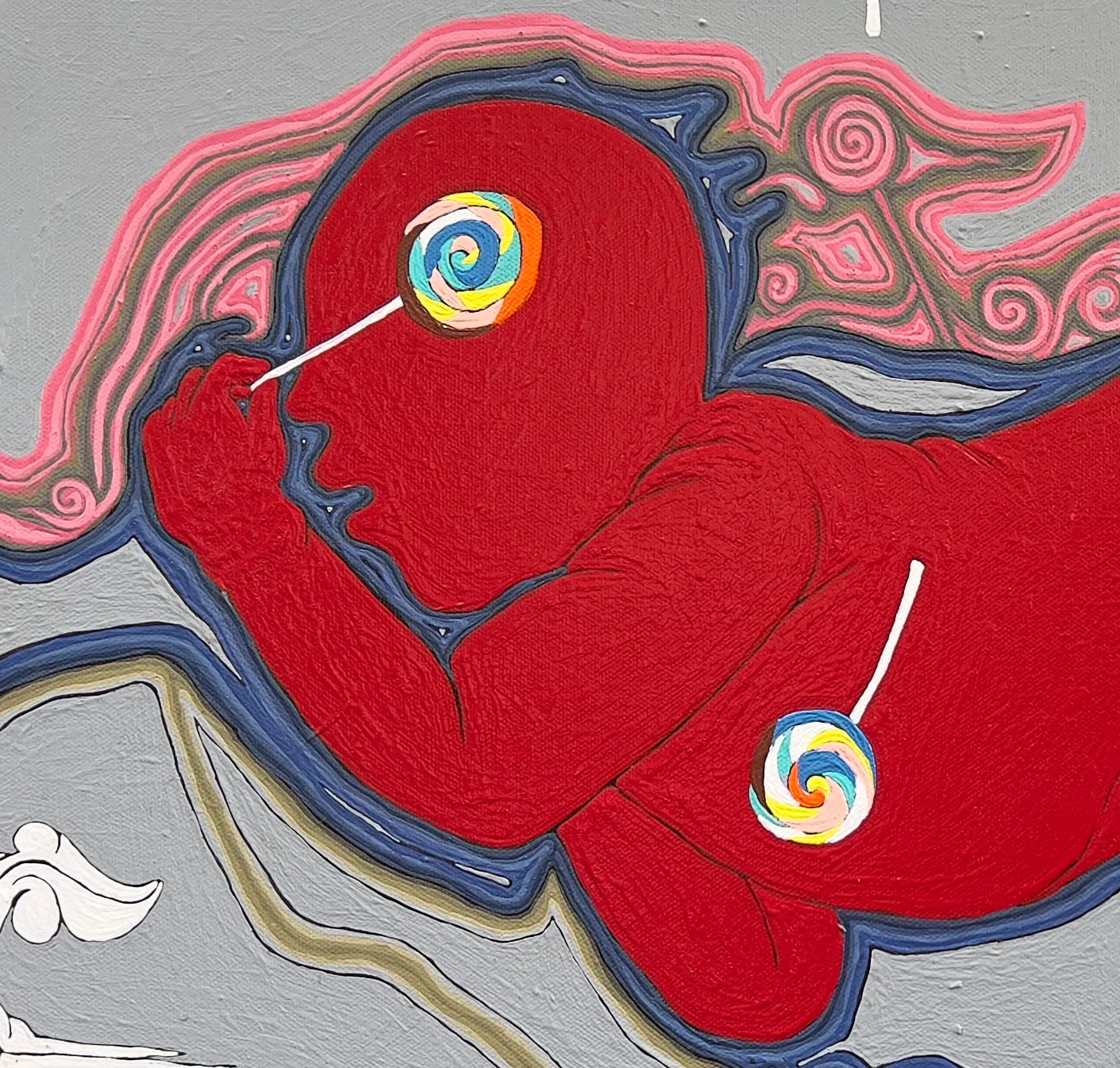
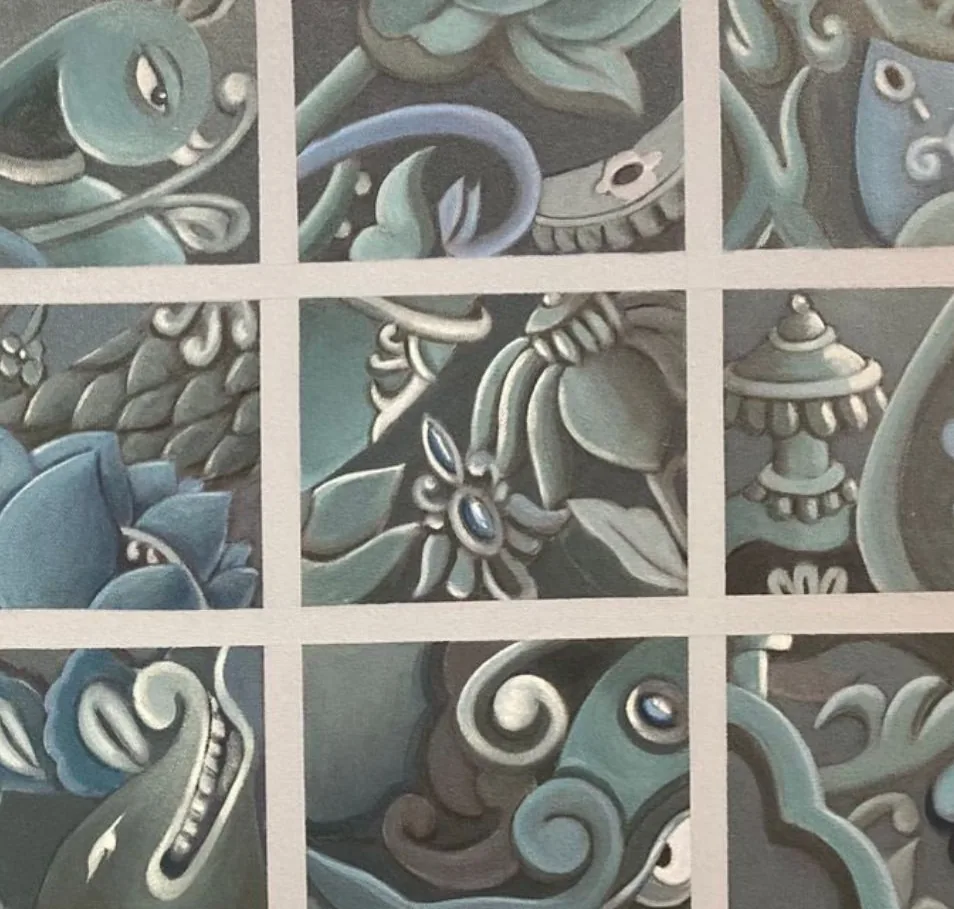
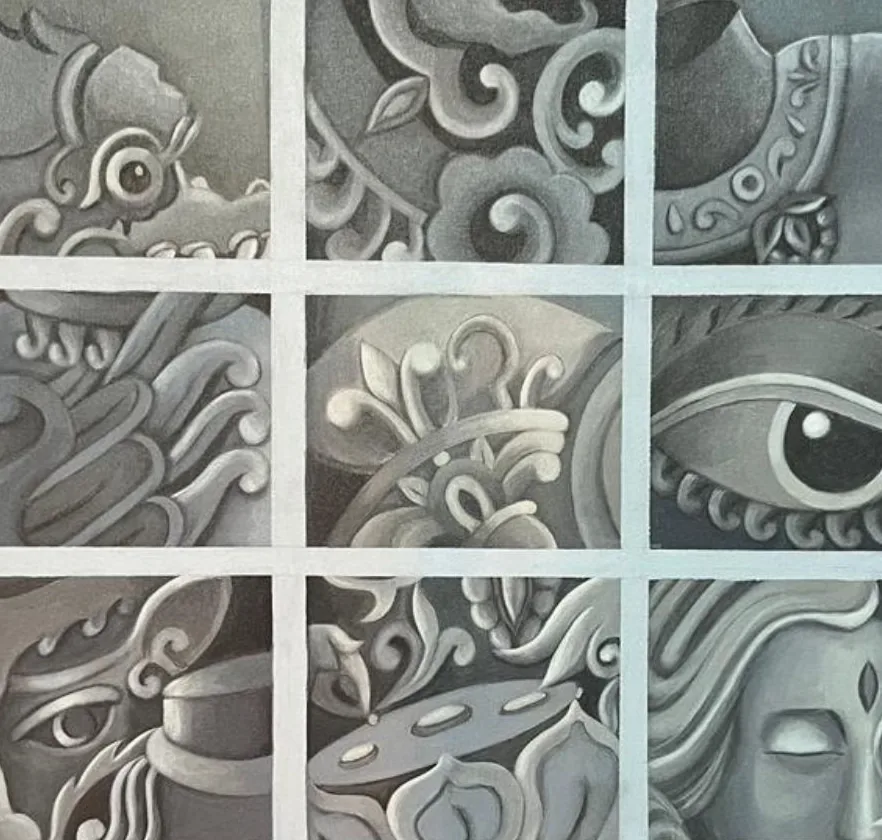
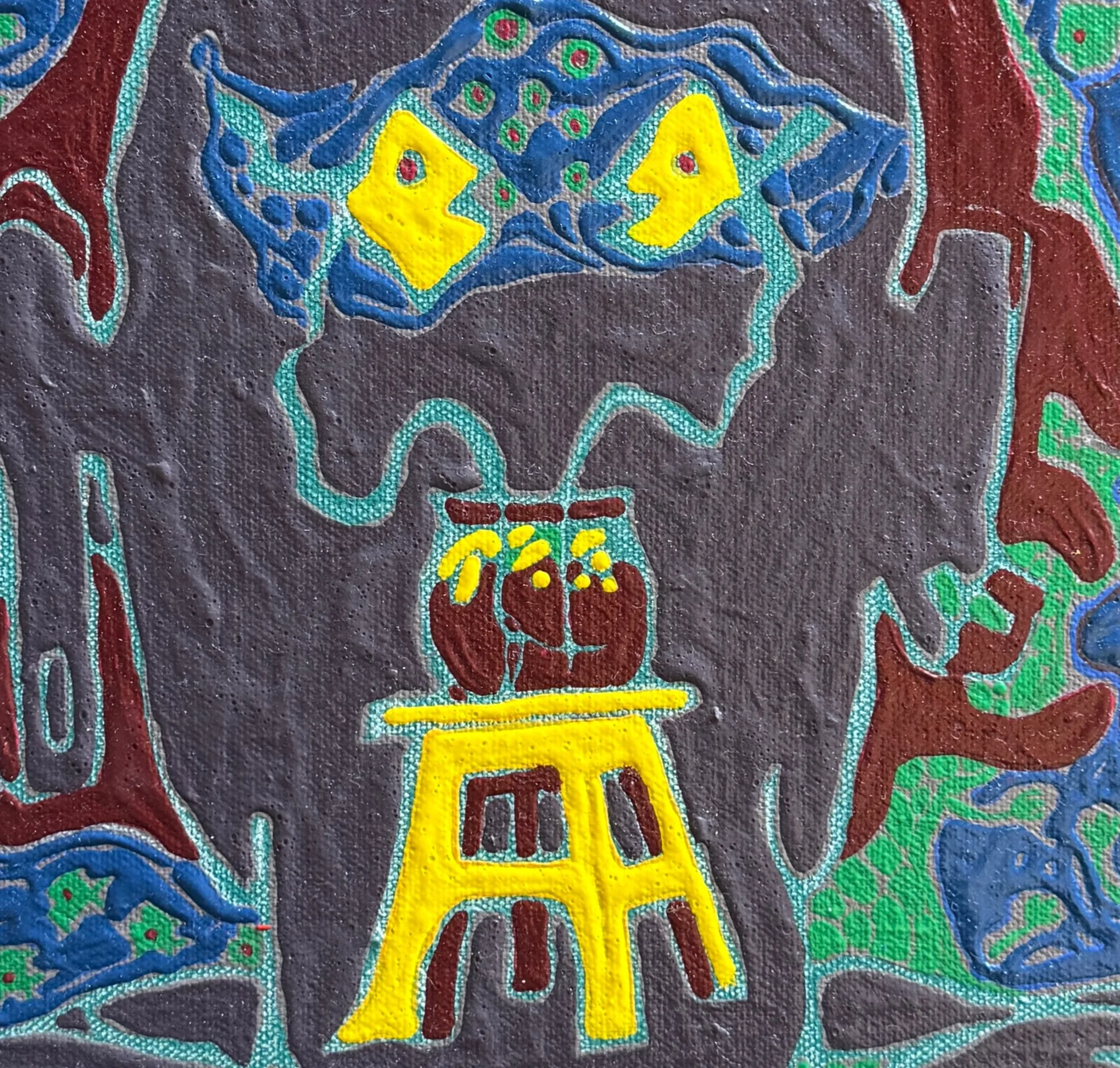
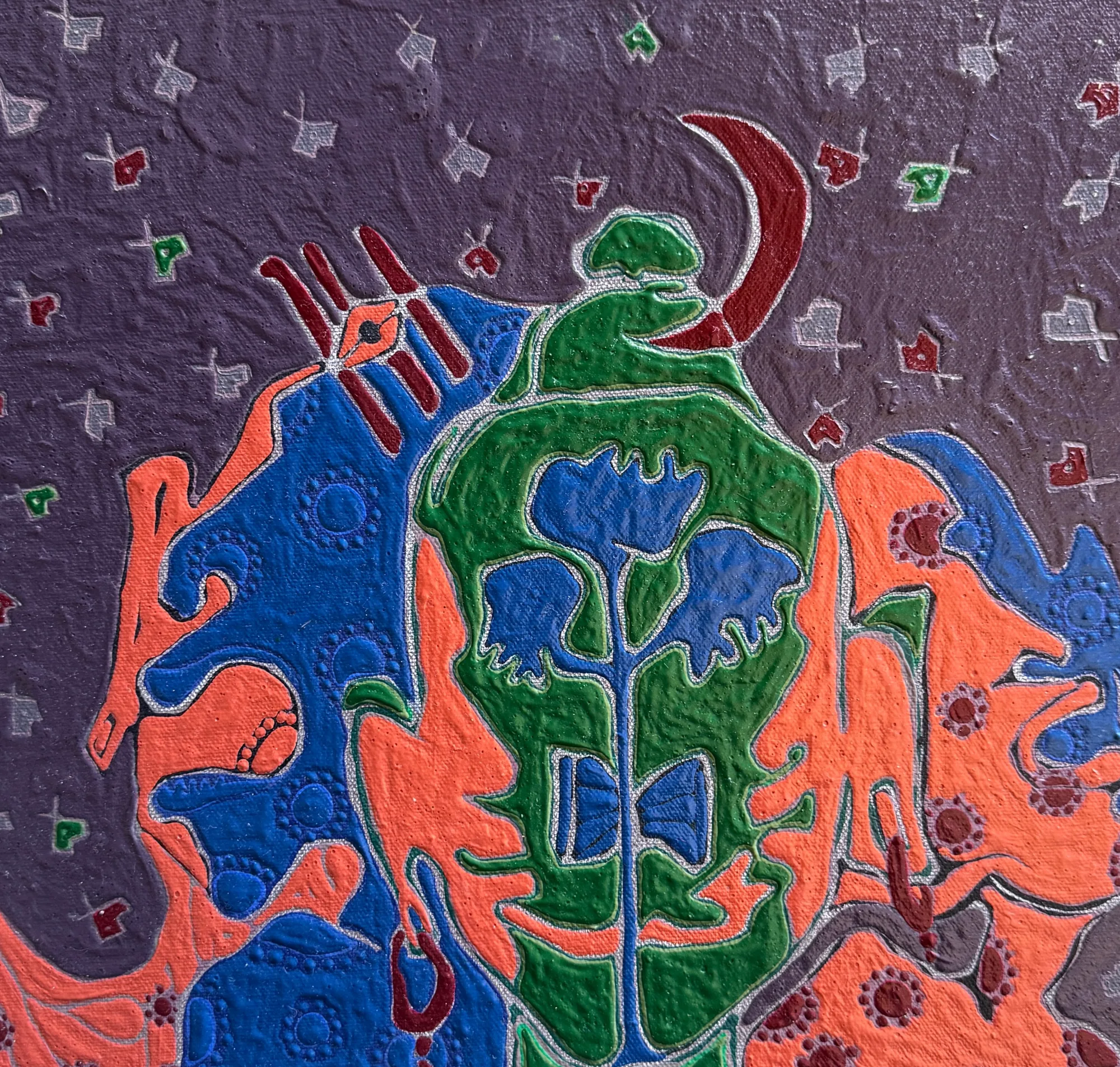
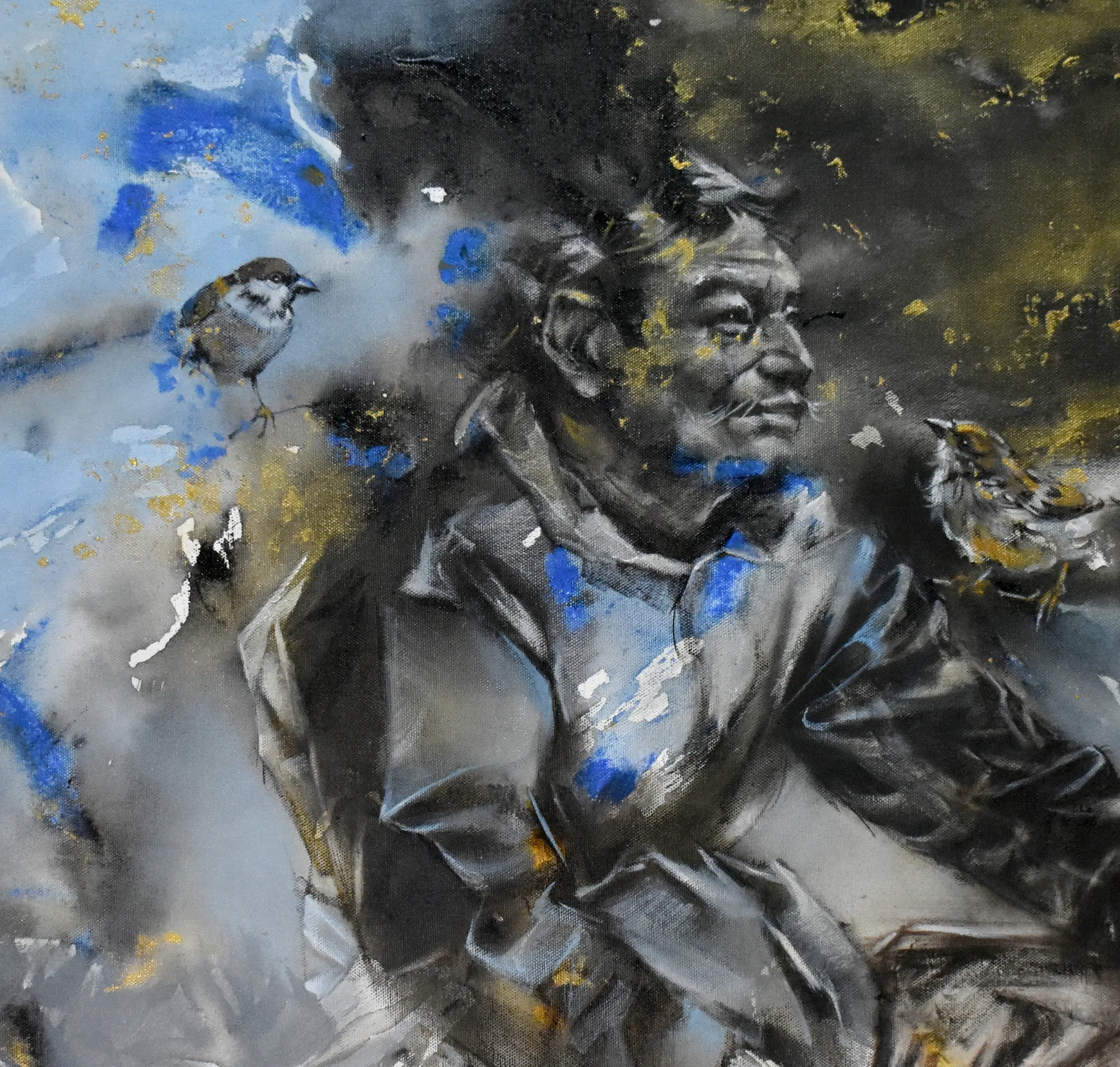
“My work is rooted in the experiences of people and the landscapes that shape their lives. Through painting, I seek to express the emotions, relationships, struggles, and aspirations that connect us as human beings. The figures that appear in my work are not merely portraits of individuals; they are reflections of shared stories, resilience, and the quiet strength found in everyday life. Nature has always been an important source of inspiration in my practice. The rhythms of the land, the changing light, and the underlying geometry of natural forms guide my visual language. Rather than depicting reality exactly as it appears, I transform these observations into simplified forms, expressive figures, and symbolic compositions that balance structure with emotion. My paintings often combine human presence with stylized spaces, creating a dialogue between people and their environment. Through warm colors, layered forms, and a sense of movement, I aim to convey hope, harmony, and the enduring possibility of renewal even in times of uncertainty. For me, art is a way of observing life deeply and translating those observations into a universal visual language—one that invites reflection, connection, and understanding.”
Vijay Thapa (b. 1943, Nawalparasi, Nepal) is one of the pioneering figures of modern Nepali art and a distinguished painter whose career spans more than six decades. A graduate of Fine Arts from Banaras Hindu University (1965) and Culture from Tribhuvan University (1973), Thapa belongs to the first generation of artists who helped shape the development of modern art in Nepal. At a time when abstraction and conceptual approaches were still emerging within the Nepali art scene, Thapa introduced new visual narratives that expanded the possibilities of contemporary painting. His work often explores human relationships, emotional resilience, and the everyday experiences of people beyond the Kathmandu Valley. Through expressive figurative forms, stylized compositions, and warm earthy palettes, he portrays both the struggles and enduring optimism found within ordinary life. Over his distinguished career, Thapa has held 18 solo exhibitions and participated in numerous national and international exhibitions across Nepal, India, China, Japan, Russia, Bangladesh, Tibet, and Thailand. His contributions to Nepali art have been recognized through several prestigious honors, including the Rastriya Pratibha Puraskar (1999), Suprabal Gorkha Dakshin Bahu (2001), and the Arniko National Fine Arts Academy Honor (2018). Beyond his artistic practice, Thapa has played a significant role in art education and cultural leadership. He served as Associate Professor at Lalitkala Campus, Tribhuvan University, for more than three decades and has held key positions within the Nepal Fine Arts Association and the Nepal Academy of Fine Arts. As Chief Editor of the influential art publications Kalakar and Aakriti, he contributed substantially to the growth of art criticism and discourse in Nepal. Today, Vijay Thapa remains an influential voice in Nepali art, inspiring younger generations through his lifelong dedication to creativity, education, and cultural development. Read more