
why art matters: understanding the role of art in society
This blog explores the enduring value of art as a form of expression, cultural preservation, and human connection, highlighting its impact on individuals, communities, and society.
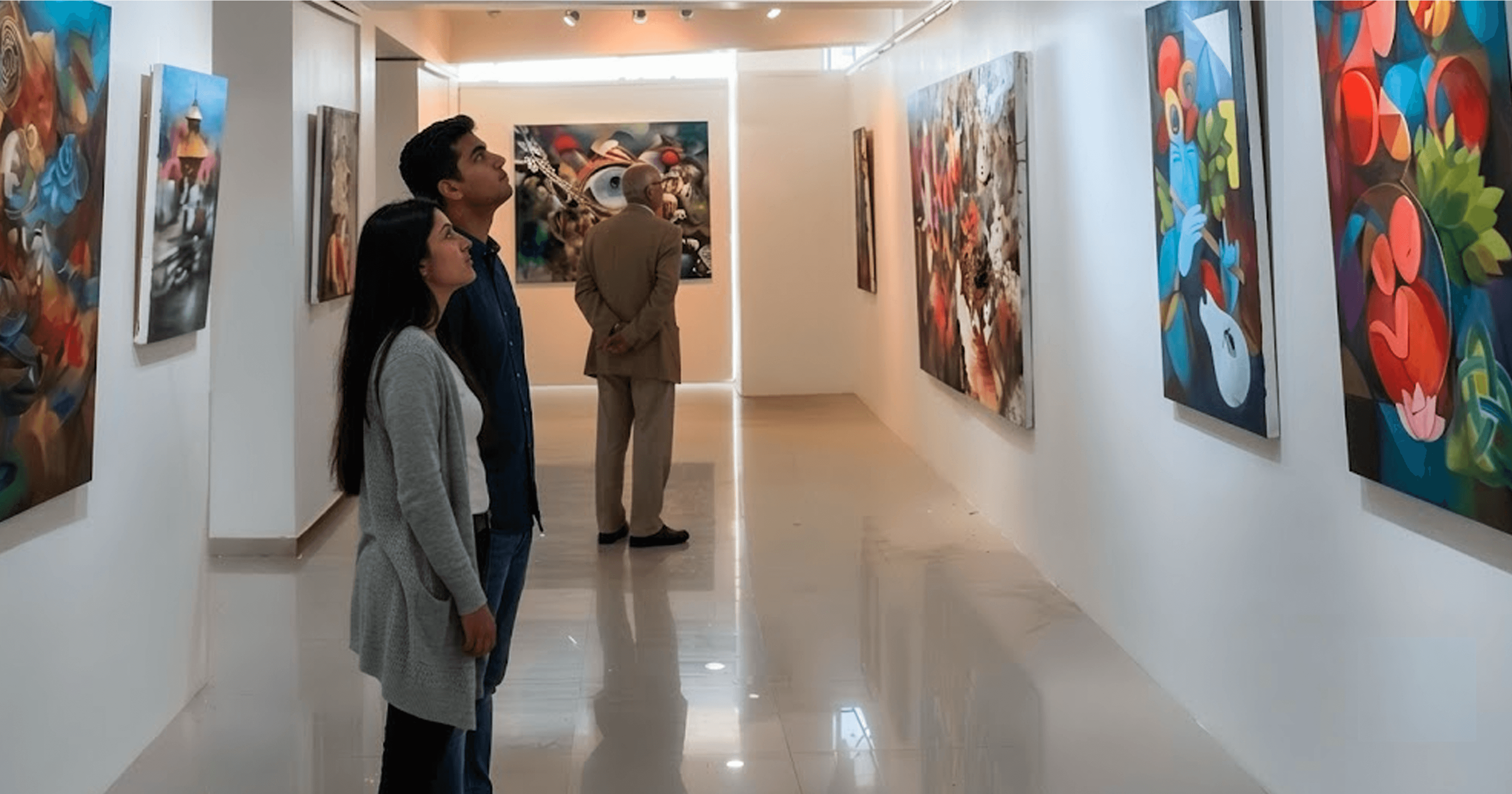
From ancient cave paintings to contemporary digital creations, art has been an essential part of human civilization for thousands of years. Across cultures and generations, people have used art to express emotions, share stories, preserve traditions, and record important moments that define their communities.Yet many people still associate art primarily with galleries, museums, or private collections. In reality, itsinfluence extends far beyond these settings.
From public spaces and community gatherings to personal collections, art continues to influence how we connect, preserve our heritage, and interpret human experience.
Art as a Universal Form of Expression
One of art's most important roles is its ability to communicate experiences that words alone cannot fully capture. Artists use visual language to explore emotions, ideas, memories, and perspectives. Through color, composition, texture, and symbolism, artworks can evoke feelings of joy, curiosity, reflection, nostalgia, or wonder. Unlike spoken language, art often transcends cultural and linguistic boundaries. A painting created in one part of the world can resonate with someone thousands of miles away, creating connections through shared human experiences.
Preserving Culture and Heritage
Art serves as a powerful record of culture and identity. Throughout history, societies have used artistic traditions to preserve stories, beliefs, values, and collective memories. Long before photography or digital media, cave paintings, religious murals, sculptures, illustrated manuscripts, and scroll paintings helped communities record their histories and pass knowledge from one generation to the next. From Buddhist thangka and paubha paintings to Christian icons and Islamic calligraphy, art has played an important role in preserving cultural and spiritual traditions across the world.
Contemporary artists continue this legacy by drawing inspiration from traditional symbols, myths, and cultural narratives while reinterpreting them through modern perspectives. In doing so, they help ensure that cultural heritage remains alive and relevant for futuregenerations.
Art Encourages New Ways of Seeing
Art challenges us to look beyond the surface of things. A single artwork can inspire multiple interpretations, encouraging viewers to think critically and explore perspectives different from their own. Rather than providing straightforward answers, many artworks invite questions and conversations. Through this process, art fosters
curiosity, empathy, and imagination. It allows us to encounter unfamiliar experiences and consider ideas that may not arise in everyday life. In a world filled with constant information, art offers a space for reflection and deeper engagement.
Art Creates Emotional Connections
The impact of art often lies in its ability to create meaningful emotional experiences. Many people are drawn to artworks not because they fully understand every detail, but because something within the
piece resonates with them personally. A painting may remind someone of a cherished memory, inspire a new perspective, or simply provide a sense of peace and contemplation.
These emotional connections are what make art so enduring. Long after trends and headlines fade, artworks continue to hold significance because of the feelings and memories they evoke.
Art Strengthens Communities
Art has the unique ability to bring people together. Galleries, exhibitions, cultural festivals, and public art projects create opportunities for dialogue, collaboration, and shared experiences. Through these spaces, artists contribute to vibrant communities by offering new ideas, preserving local
stories, and enriching cultural life. Beyond enriching cultural life, the arts also contribute to education, tourism, and local economies, demonstrating that their impact extends well beyond aesthetics.
By investing in art and culture, communities strengthen their identity, encourage creativity, and create a richer environment for future generations.
Art Is Not Only for Artists
Art belongs to everyone. Yet one common misconception is that art can only be fully appreciated by experts or trained artists. The truth is that there is no single correct way to experience art. You do not need formal education to connect with an artwork. Curiosity, observation, and personal interpretation are often enough. Every viewer brings their own experiences, emotions, and perspectives, making each encounter with art unique.
Art in the Digital Age
Technology has transformed how people discover and engage with art. As a result, online platforms, virtual exhibitions, and digital communities have made art more accessible than ever before, allowing artists to connect with audiences across the globe.
This increased accessibility also benefits collectors and art enthusiasts, who can discover new voices, learn about artistic practices, and support creators regardless of geographical boundaries. Although the way people discover and experience art continues to evolve, its fundamental purpose remains unchanged: to inspire, communicate, and connect.
Closing Reflection
Art matters because it reflects who we are and how we understand the world around us. It preserves culture, encourages dialogue, inspires creativity, and connects people across generations and borders.
Whether experienced in a gallery, encountered in everyday life, or displayed in a personal collection, art continues to remind us of our shared humanity.
As society continues to evolve, art remains one of the most powerful ways we express ourselves, preserve our stories, and imagine new possibilities for the future.
You Might Like
why art matters: understanding the role of art in society
This blog explores the enduring value of art as a form of expression, cultural preservation, and human connection, highlighting its impact on individuals, communities, and society.
welcome to annapurna art’s new blog!
Annapurna Art’s blog is a space for artists, collectors, and art enthusiasts to explore the world of contemporary art. Here you will discover artist stories, exhibition updates, art market insights, and behind the scenes moments from the gallery.
from vision to canvas: the journey of rasik rai
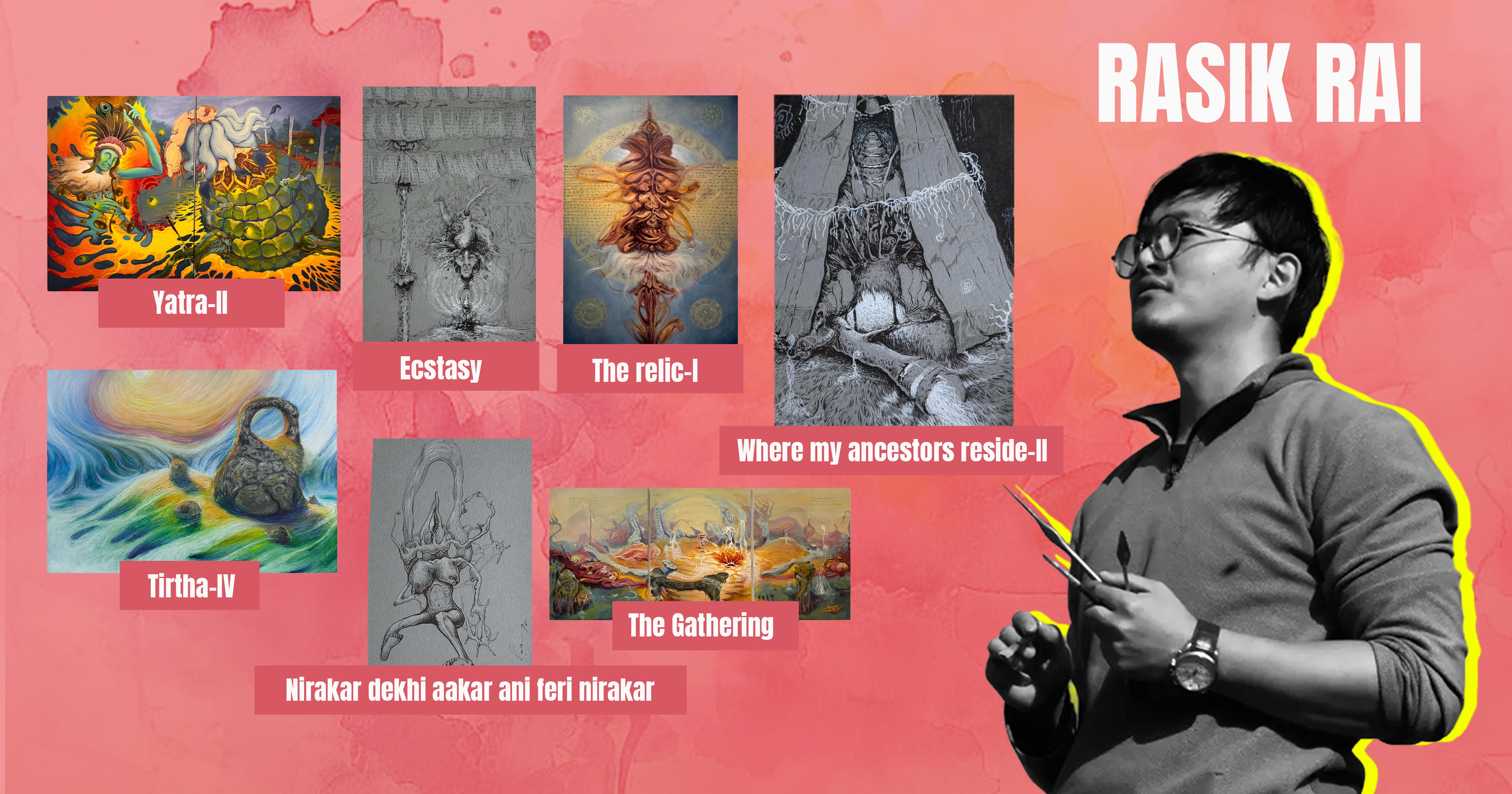
Step into Rasik Rai’s world of surreal, spiritual art. Discover powerful Nepali paintings rooted in myth, symbolism, and deep introspection.